Iran asserts weapons output has doubled as US claims 85 per cent of defence base destroyed
Tehran claims strategic production has tripled since February, challenging Washington’s assessment of its industrial resilience.
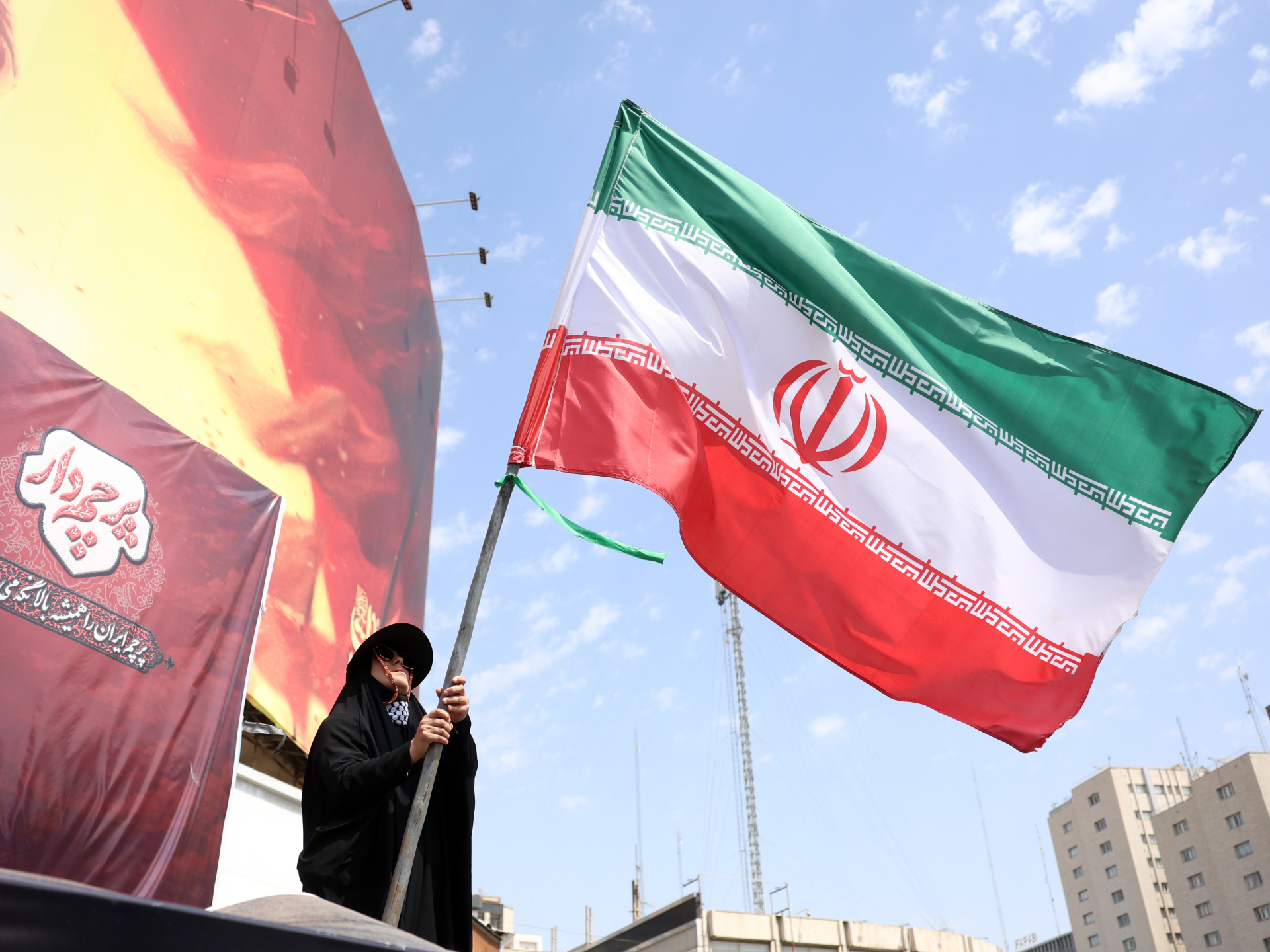
Iranian officials have declared that domestic weapons production has doubled in the 12 months following the June 2025 conflict, with output for strategic items tripling since the current war with the United States began in February 2026. The announcement, made by the Ministry of Defence, directly contests the White House’s position that the majority of Iran’s defence-industrial base has been eliminated.
Ministry of Defence spokesman Reza Talaei-Nik stated that more than 9,300 companies are currently involved in weapons production, a figure intended to demonstrate the sector’s resilience against US and Israeli strikes. He noted that authorities have limited the unveiling of new equipment to preserve defensive secrets during the ongoing conflict.
The claims stand in contrast to US assertions that over 85 per cent of Iran’s defence-industrial base, including most ballistic missiles and mobile launchers, was destroyed. However, a confidential US intelligence assessment reported in May suggested that Iran retained approximately 75 per cent of its mobile launchers and 70 per cent of its pre-war missile inventory.
Acting Defence Minister Majid Ebn-e Reza stated that Iranian forces have achieved deeper penetration of enemy bases and greater strike accuracy compared to the previous year’s conflict. IRGC spokesman Hossein Mohebbi added that new generations of warheads for ballistic and cruise missiles are being prepared for future deployment.
The Iranian military continues to utilise geographically dispersed underground bases to manufacture ballistic missiles and drones. These assets have been used to target US military installations and disrupt shipping in the Strait of Hormuz, a waterway President Donald Trump declared US territory this week.
Despite significant damage to Iran’s naval capabilities, oil flows via the Strait of Hormuz remain considerably lower than pre-war levels. Disruptions to sea traffic are also occurring in the Red Sea and Bab al-Mandeb strait due to clashes involving Iran-aligned Houthis.