Iran and US report conflicting progress in Middle East war negotiations following airport strike
Washington demands nuclear curbs and Strait of Hormuz access while Tehran warns of full-scale conflict if Beirut is targeted
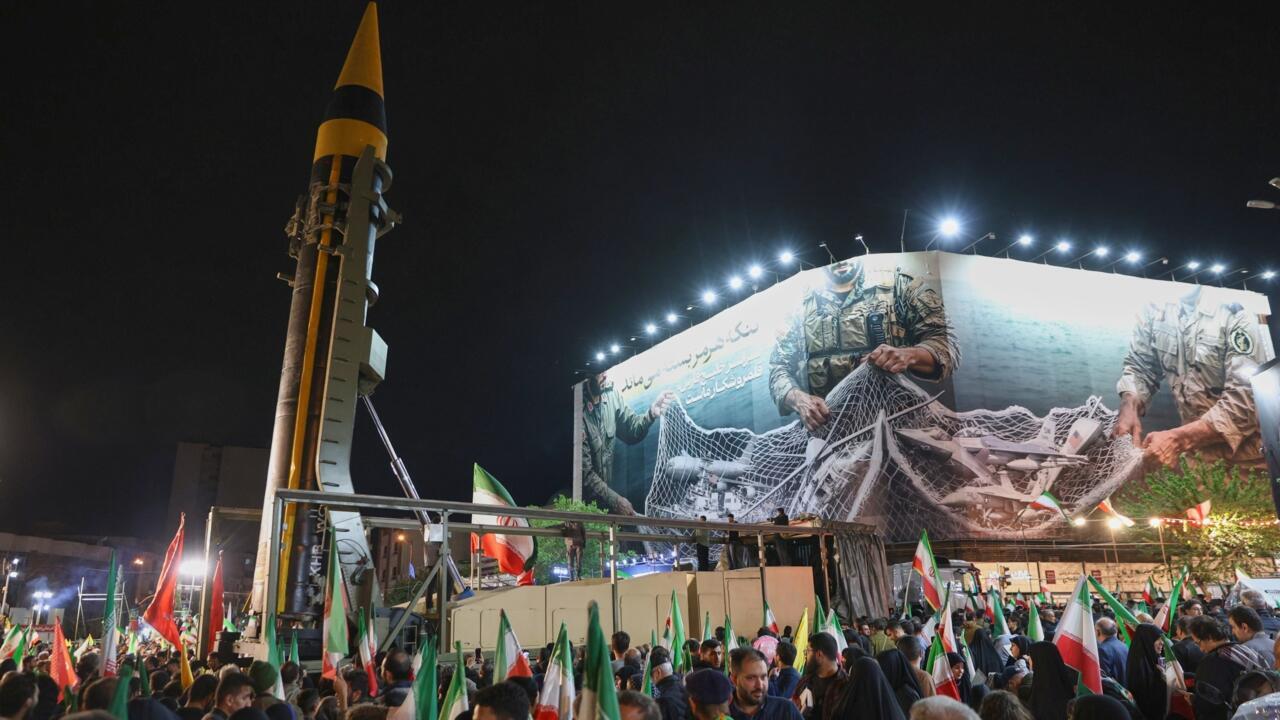
Negotiations to end the Middle East war have stalled between the United States and Iran, with Iranian Foreign Minister Abbas Araghchi declaring there has been "no tangible progress" in talks. The assessment comes as fresh strikes by both nations have tested a fragile ceasefire that has largely held since April 8, despite sporadic exchanges of fire.
Tensions escalated further after an Iranian drone struck Kuwait International Airport, killing one Indian national and wounding 63 others. Kuwaiti officials condemned the incident as an act of criminal Iranian aggression, while Iran’s Revolutionary Guards denied responsibility, claiming the damage was caused by an error in US Patriot missile systems that failed to intercept incoming missiles.
In stark contrast to the Iranian position, US President Donald Trump expressed optimism that a breakthrough could be achieved over the weekend. Speaking at the White House, Trump stated that negotiations were going well and could yield a result within days. He also indicated a desire to decouple the conflict between Israel and Hezbollah in Lebanon from the direct war between the United States and Iran, a separation that Tehran insists is impossible given the linked nature of the hostilities.
US Secretary of State Marco Rubio identified Iran’s highly enriched uranium stockpiles as a central obstacle to any agreement. Washington has demanded that Tehran turn over its near-weapons-grade nuclear materials, curb its nuclear activities, and reopen the Strait of Hormuz, a critical shipping channel for Gulf oil and gas, as conditions for any peace deal.
Iranian officials have warned that any Israeli attack on Beirut would trigger a full-scale resumption of the conflict. Araghchi stated that while lines of communication with the United States remain open, any aggression against the Lebanese capital would have grave consequences. Meanwhile, Israeli Prime Minister Benjamin Netanyahu accused Iran of playing with fire, noting that the US president has made clear that a full-scale return to military action remains a possibility if necessary.