Iran and US agree on asset release and oil waiver in Switzerland talks
Tehran and Washington settle on $12bn asset release, 60-day oil waiver, and Hormuz communication line, though Iran insists on altered waterway administration.
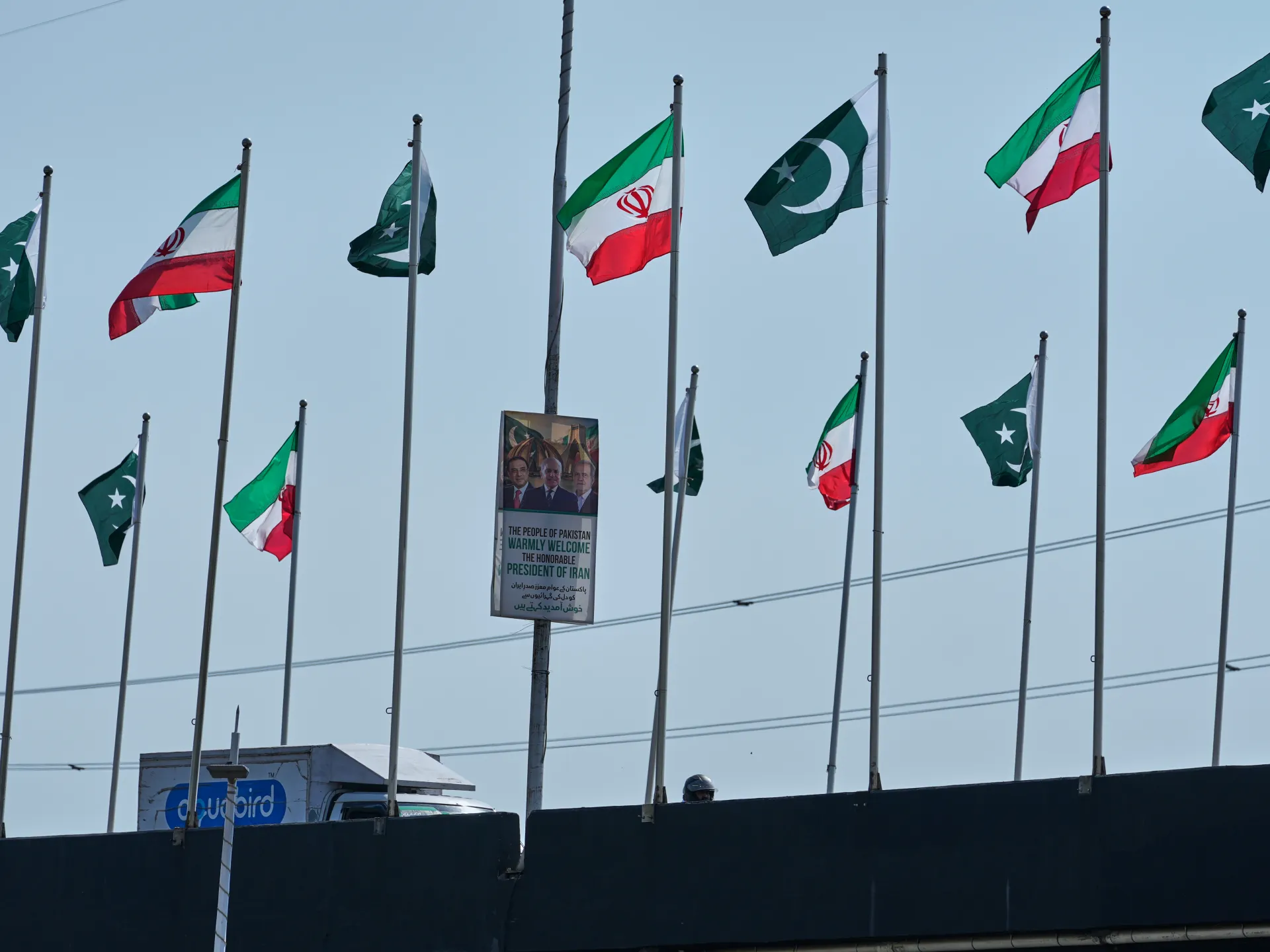
Iran and the United States have concluded technical negotiations in Switzerland, marking a significant procedural step toward ending the more than 100-day conflict between the two nations. Deputy Foreign Minister Kazem Gharibabadi, who led the Iranian technical team, confirmed that the four-party talks, facilitated by mediators Qatar and Pakistan, established the framework for future negotiations and implementation mechanisms under the Islamabad Memorandum of Understanding.
The discussions followed a high-level committee meeting held on Sunday to monitor the implementation of the memorandum, a framework agreement signed virtually by the US and Iranian presidents on 17 June. Gharibabadi stated that the technical discussions focused on determining the implementation mechanisms of the memorandum and the statement issued at the conclusion of the high-level meeting, noting that necessary understandings had been reached.
A central outcome of the talks was an agreement to release $12bn in frozen Iranian assets. Iran’s top negotiator, Mohammad Ghalibaf, who also serves as the country’s parliament speaker, confirmed the arrangement. US President Donald Trump specified that the unfrozen funds would be used exclusively to purchase American agricultural produce, including food, corn, and soybeans, directly from US farmers.
Concurrently, the US Department of the Treasury announced a 60-day waiver permitting Iran to sell oil and petrochemical products at full price. This measure represents a notable reversal of previous sanctions policy, which had forced Iran to sell its energy exports at a significant discount due to global concerns over US sanctions. Analyst Alan Fisher noted that the waiver could bring hundreds of millions of dollars into the Iranian economy, although he cautioned that Washington insists Tehran must still meet specific benchmarks for further sanctions relief.
On security matters, Tehran and Washington agreed to establish a communication line to ensure safe passage through the Strait of Hormuz, a critical waterway through which approximately one-fifth of global energy exports transit. This agreement comes after Iran’s military command declared the route closed to all traffic and threatened to target transiting vessels in response to the US-Israel war on Iran. However, Ghalibaf clarified that while Iran would comply with international law, the administration of the waterway would not revert to its pre-war status.