Iran and Oman establish working group to examine Strait of Hormuz maritime fees
Tehran and Muscat assert sovereign rights over the critical waterway while affirming commitment to international law, despite Washington’s fierce opposition to proposed charges.
Iran and Oman announced on Tuesday that a joint working group between their foreign ministries will examine the costs associated with maritime services in the Strait of Hormuz. The move proceeds despite strong opposition from the United States to Tehran’s proposed fee system, with US officials threatening sanctions and military action against Oman.
The two nations affirmed their sovereign rights over the waterway while discussing the future administration of navigation in accordance with international standards. In a joint statement, they agreed to maintain dialogue through the new working group to determine the costs for services provided in administering the strait.
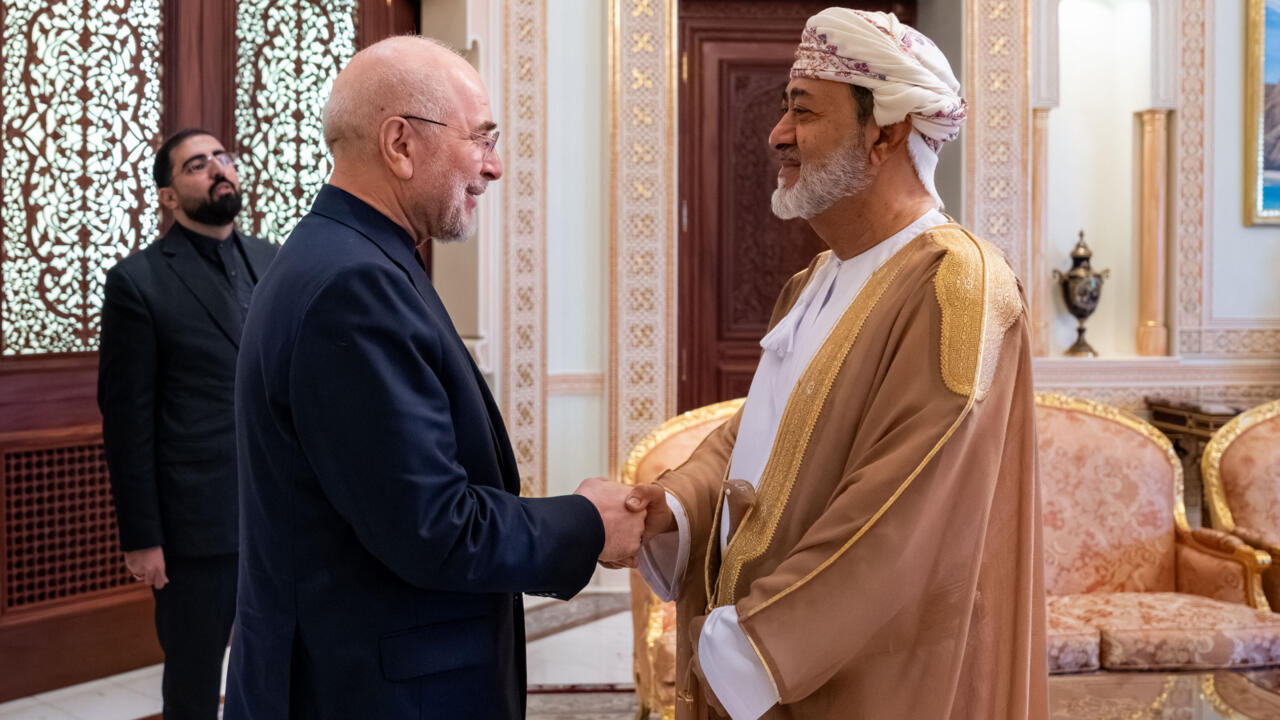
High-level meetings took place in Muscat between Iranian officials, including Foreign Minister Abbas Araghchi and chief negotiator Mohammad Bagher Ghalibaf, and Omani leadership, comprising Sultan Haitham bin Tariq and Foreign Minister Badr Albusaidi. These discussions follow a memorandum of understanding signed last week between Iran and the United States.
The memorandum stipulates a 60-day period without charges and requires Iran and Oman, along with other Gulf countries, to discuss the strait’s future administration and maritime services. Iranian official Mohammad Bagher Ghalibaf indicated that the proposed maritime service fees would take effect after this 60-day period concludes.
Omani Foreign Minister Badr Albusaidi stated on X that both sides affirmed their commitment to international law and “toll-free safe passage.” This assertion comes as the United States has fiercely opposed the fee system, with President Donald Trump threatening to “blow them up” if Oman attempts to control the waterway alongside Iran.
The Strait of Hormuz is a critical chokepoint through which roughly 20 percent of the world’s crude oil and liquefied natural gas normally transit. Iran had previously imposed a blockade on the strait after coming under fire from the United States and Israel, but lifted it as part of the recent deal.
Safety concerns persist in the region, with the Joint Maritime Information Centre warning ships to avoid central shipping lanes due to sea mines. The centre has recommended a narrower southern route instead, as clearance operations continue for detected mines in the central waters.