Iran and Gulf states face long-term trust deficit following recent conflict
Analysts warn that while geography may force a tactical reduction in open hostility, genuine reconciliation is unlikely, potentially leading to a colder, managed rivalry and closer commercial cooperation among Arab states to isolate Iran.
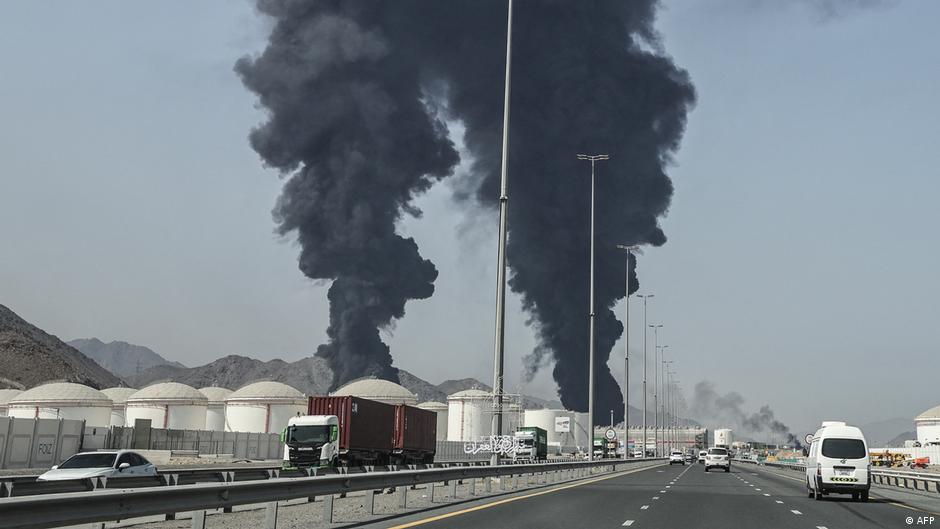
Mutual suspicion between Iran and Persian Gulf countries is poised to affect regional stability, growth and cooperation years into the future. The conflict, which began on 28 February and saw a ceasefire announced on 8 April, resulted in Iran launching over 4,000 missiles and drones at GCC targets, most of which were intercepted. Kuwait reported fending off a missile and drone barrage on Monday, following US strikes on radar and drone sites in southern Iran.
GCC leaders convened in Saudi Arabia in late April to coordinate a response, with Qatar, the UAE, and Saudi Arabia issuing warnings against continued Iranian aggression and the risk of a "frozen conflict." Qatar’s Foreign Ministry warned against a "frozen conflict" that could reignite due to political reasons. The UAE insisted Iran must stop attacking neighbours for diplomacy to proceed, while Saudi Arabia warned Tehran not to target the kingdom or other Gulf states.
Analysts suggest that while geography may force a tactical reduction in open hostility, genuine reconciliation is unlikely, potentially leading to a colder, managed rivalry and closer commercial cooperation among Arab states to isolate Iran. Babak Dorbeiki, a London-based political analyst and former official at Iran's Strategic Research Center, noted that from Tehran's perspective, the GCC countries it is targeting in the current war are not "neutral actors," but have played some role in pressure campaigns against Iran, whether by hosting US forces, providing logistical help or supporting military action indirectly.
Iran has alienated past economic partners, including the UAE, Iraq, and Turkey, which previously facilitated trade and finance channels for Iran amid sanctions. Reza Alijani, a Paris-based political analyst, told DW that the proximity of Iran and its Gulf neighbors will force some degree of accommodation. "Geography will always remain more powerful than politics. These countries will always be neighbours," he said. Alijani added, however, there is a clear distinction between rebuilding relations and rebuilding trust, with the most likely outcome not being genuine reconciliation but a tactical reduction in open hostility.
The degradation of Iranian proxies, such as Hezbollah and Shiite militias in Iraq, is prompting Arab states to prioritise integrated defence and alternative trade corridors. Dorbeiki said that mutual suspicion towards Tehran could itself become a driver of closer commercial cooperation among Arab states and their partners, leaving Iran more isolated from emerging trade corridors, transport links and future energy infrastructure. However, no regional order can fully stabilize while Iran remains permanently outside it. But a genuine normalization in ties would demand a serious change in Tehran's regional policy, a less confrontational relationship with the West and a sustained effort to reassure neighbors that Iran is prepared to pursue stability rather than leverage through fear. Right now, hostilities are still flaring, and the Iranian regime remains in power with the same policies.