Iran adopts hardened stance against US amid failed negotiations and internal unity drive
Tehran authorities project reduced interest in diplomacy following President Trump's cancellation of a second round of talks, while state media emphasises absolute unity under Supreme Leader Khamenei.
Iranian authorities have projected a significantly hardened stance against the United States following the cancellation of a second round of direct negotiations by President Donald Trump. Foreign Minister Abbas Araghchi, who concluded meetings with senior Pakistani officials in Islamabad, departed for Oman before travelling to Russia. Unlike previous diplomatic rounds, Araghchi was not accompanied by Parliament Speaker Mohammad Bagher Ghalibaf. Upon his departure, the Foreign Minister stated he had yet to observe genuine seriousness regarding diplomacy from the US administration.
The cancellation of the planned visit by US envoys Steve Witkoff and Jared Kushner to Pakistan marked a decisive shift in the diplomatic landscape. President Trump announced the decision, asserting that the United States holds all the cards while Iran possesses none. He further characterised the situation by citing alleged infighting and confusion within Iran's leadership, a claim he reiterated in an online post urging Tehran to initiate contact if they wished to negotiate.
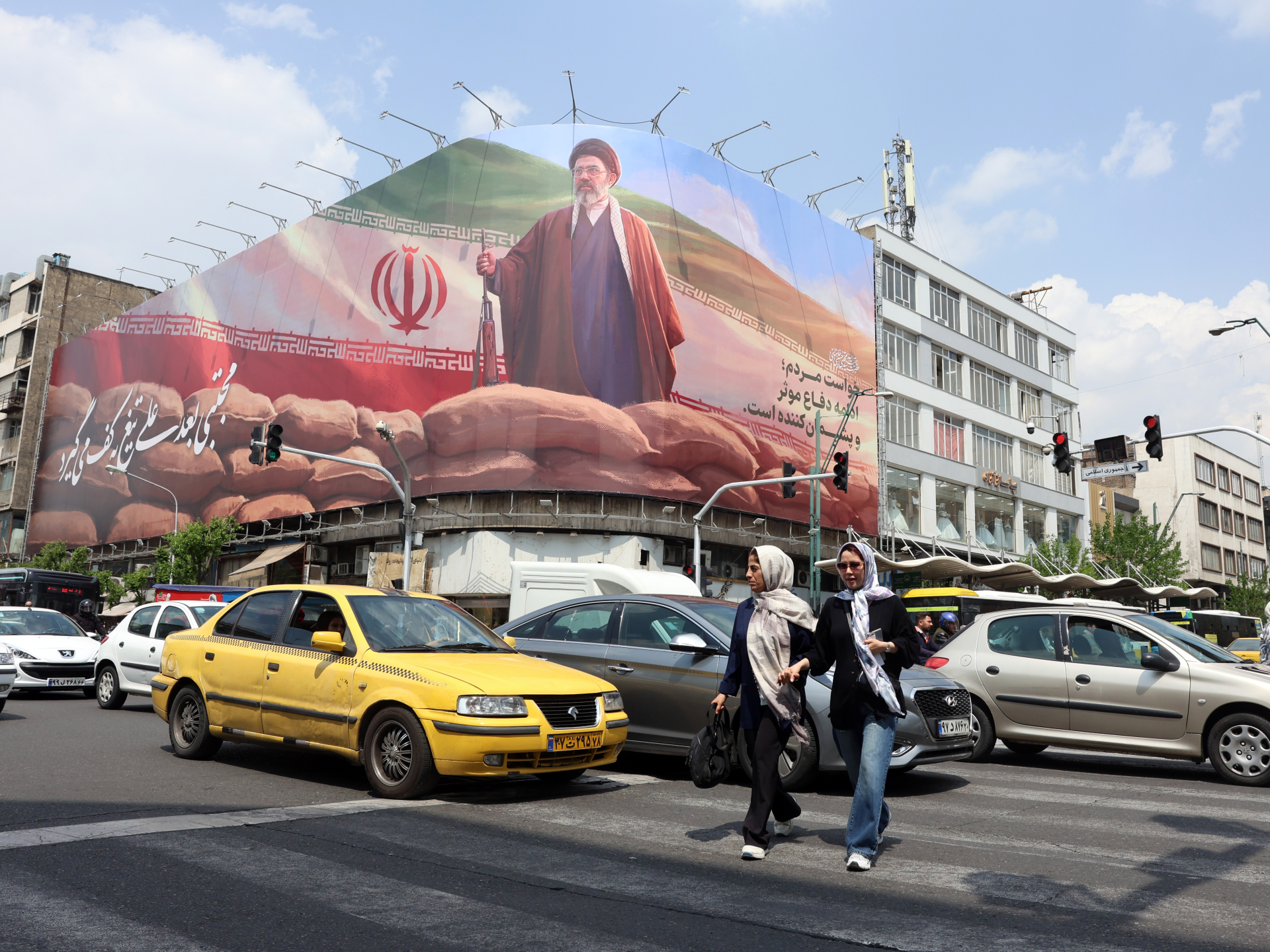
Amidst a state-imposed near-total internet shutdown that has persisted for nearly two months, Iranian officials and the Islamic Revolutionary Guard Corps (IRGC) are emphasising absolute national unity under Supreme Leader Mojtaba Khamenei. Military, security, judiciary, and government bodies have released synchronised messages using identical wording and graphics to proclaim that all citizens exercise complete obedience to the Supreme Leader. State media reports that over 30 million people, approximately one-third of the population, have registered in a state-run campaign expressing readiness to sacrifice their lives, though no documentation has been provided to verify this figure.
The IRGC has issued explicit threats of retaliation for US naval actions in the Strait of Hormuz, describing them as blockade, banditry, and piracy. The corps stated that armed forces are prepared to inflict severe damage on American interests should further aggression occur. In a broadcast featuring the seizure of two vessels, the IRGC claimed total control over the strategic waterway, asserting its determination to monitor enemy movements in the region.
President Masoud Pezeshkian has expressed concern regarding the potential damage to civilian infrastructure, particularly power plants, should the conflict escalate. He has urged the public to conserve energy and reduce consumption, warning that continued attacks on infrastructure could lead to widespread dissatisfaction. Despite these warnings, the government has reopened Tehran's Imam Khomeini Airport for limited foreign-bound flights, including services for the Hajj pilgrimage to Saudi Arabia.
Internal political discourse continues to fracture along ideological lines, with ultraconservative factions criticising former moderate leaders. In Mashhad, speakers have been recorded preaching against the possibility of reformist figures returning to power, while hardline parliamentarians have argued that including the nuclear issue in negotiations is a strategic mistake. Meanwhile, the judiciary has continued its campaign against dissidents, announcing the hanging of Erfan Kiani, a critic arrested during January protests.