Iran accuses US of ceasefire breach as Strait of Hormuz tensions escalate
Washington defends attacks as defensive measures while Tehran reserves right to retaliate, sending oil prices to $100 a barrel
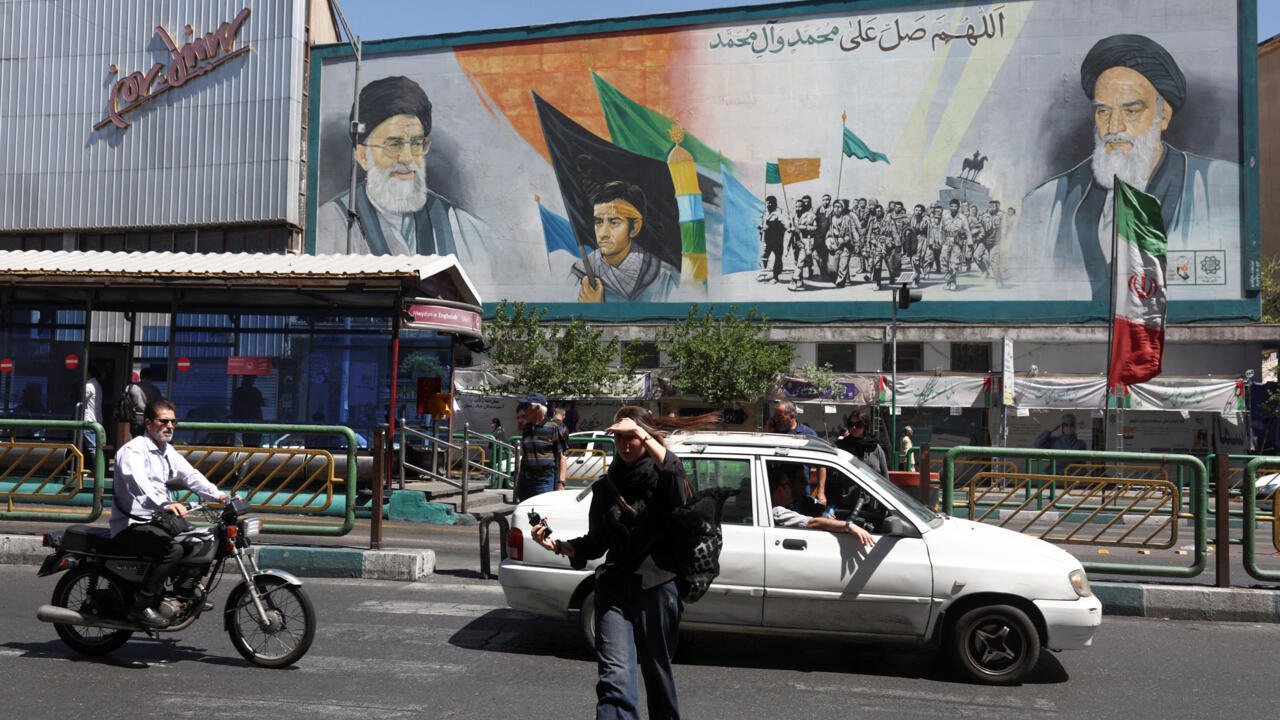
Iran has formally accused the United States of committing a gross violation of a fragile ceasefire following strikes near the Strait of Hormuz, an incident that threatens to derail ongoing negotiations to end nearly seven weeks of conflict. The Iranian foreign ministry stated that US attacks in the southern Hormozgan province, where Iranian media reported explosions early on Tuesday, breached the tenuous truce in place since 8 April.
Washington defended the operations as defensive measures, asserting they targeted missile sites and vessels allegedly laying mines in Iranian waters. The strikes mark the first US military action since the ceasefire began, complicating efforts by both sides to finalise an initial agreement aimed at halting hostilities and restarting shipping through the strategic waterway.
US Secretary of State Marco Rubio, speaking from a flight in India, indicated that negotiations for a deal to halt the conflict could take a few days. Rubio emphasised that the Strait of Hormuz must remain open one way or the other, underscoring the geopolitical stakes as traffic through the strait has fallen to a fraction of its usual level since the war began.
Iran’s Revolutionary Guards reserved the right to retaliate, claiming air defence units downed a US drone and fired at another drone and a fighter jet that entered Iranian airspace. The military body noted that 25 oil tankers and other vessels had passed through the strait with its permission over the past 24 hours, attempting to maintain some flow of commerce despite the escalation.
The diplomatic fallout coincides with a significant rise in global energy costs, with Brent crude futures rising by approximately 3.5% to around $100 a barrel. Meanwhile, Iranian Supreme Leader Ayatollah Mojtaba Khamenei intensified rhetorical hostility, posting on Telegram that the slogans Death to America and Death to Israel would now be the slogans of the Islamic nation and oppressed people worldwide.
Negotiations have been further complicated by disputes over financial assets. Iranian negotiator Mohammad Baqer Qalibaf returned to Iran from Qatar after seeking the release of approximately $24 billion in frozen funds, which Iranian media cited as the last sticking point in the deal. An initial agreement is expected to provide 30 days to resume traffic through the strait, with more complex issues such as Iran’s nuclear program to be addressed in a second phase.
Amidst the diplomatic and military tensions, internet monitoring group Netblocks reported a partial restoration of internet connectivity in Iran after a nearly 90-day blackout. The broader conflict, which began with US and Israeli strikes on Iran on 28 February, has caused an unprecedented oil supply shock, driving up costs for fuel, fertiliser, and food globally.