IOC President faces athlete backlash over opposition to Games prize money
The International Olympic Committee president defends the current structure, citing the Olympic Solidarity Scholarship and venue infrastructure, while competitors highlight financial hardship and lack of name, image, and likeness rights.
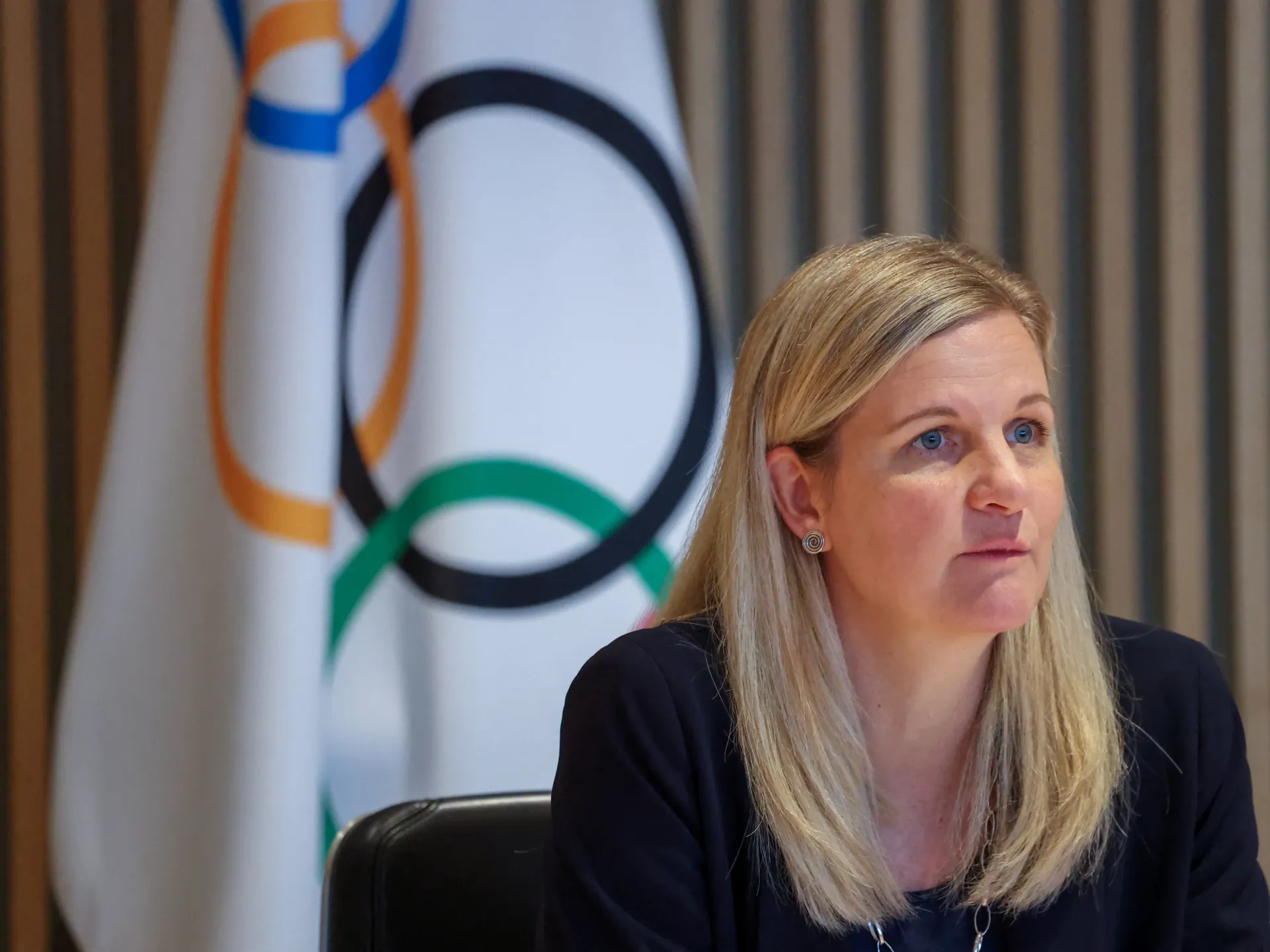
International Olympic Committee President Kirsty Coventry has drawn sharp criticism from fellow Olympians after stating she does not believe athletes should receive prize money at the Games. The comments, made during an interview with New Zealand outlet Sport Nation during her first visit to Oceania as IOC chief, have ignited a social media storm regarding athlete compensation and the organisation’s financial model.
Coventry, who represented Zimbabwe at five Olympics and won seven medals, told Sport Nation: “I don’t believe in paying athletes.” She cited her background in a country where sports do not necessarily pay athletes well, emphasising the need for the IOC to find more ways to directly impact athletes through talent identification and support for those from smaller nations.
The controversy arises shortly after the inaugural Enhanced Games, which offered significant prize money including $250,000 for gold, despite allowing banned performance-enhancing drugs. World Athletics has also become the first governing body to award $50,000 in prize money for an Olympic gold medal, highlighting a growing divergence in how global sporting bodies approach athlete remuneration.
Athletes, including Australian swimmers Cameron McEvoy and Sally Pearson, and British long jumper Greg Rutherford, argued that the IOC generates billions while competitors face financial hardship. Pearson noted that volunteers and Olympians do not get paid at the biggest sporting event in the world, while Rutherford pointed out that the IOC owns footage of athletes’ greatest moments and charges nations billions to host the Games.
When asked if the IOC would adopt a model similar to the US National Collegiate Athletic Association, which allows student-athletes to profit from name, image, and likeness rights, Coventry denied such a move. She argued that athletes receive beautiful venues and a beautiful experience funded by IOC revenue, acknowledging her own reliance on the Olympic Solidarity Scholarship during her career.
The IOC generated $12.4 billion during the 2021-2024 cycle, with nearly 74% redistributed into international sport. While the IOC has not officially detailed Coventry’s salary, it is speculated to be approximately $350,000 annually, matching that of her predecessor Thomas Bach.
Rutherford called for the quicker formation of an athlete union, stating that an organisation making billions and blocking athletes from earning should have a long, hard look at itself. The backlash underscores ongoing tensions regarding the balance between institutional revenue and the financial realities faced by competitors.