Investigation finds Philadelphia post-conviction lawyers frequently oppose clients’ freedom bids
Review of 250 reversed convictions since 2018 shows at least 50 cases where appointed attorneys filed “no-merit” letters rejecting claims later proven valid, often without contacting clients or reviewing police files.
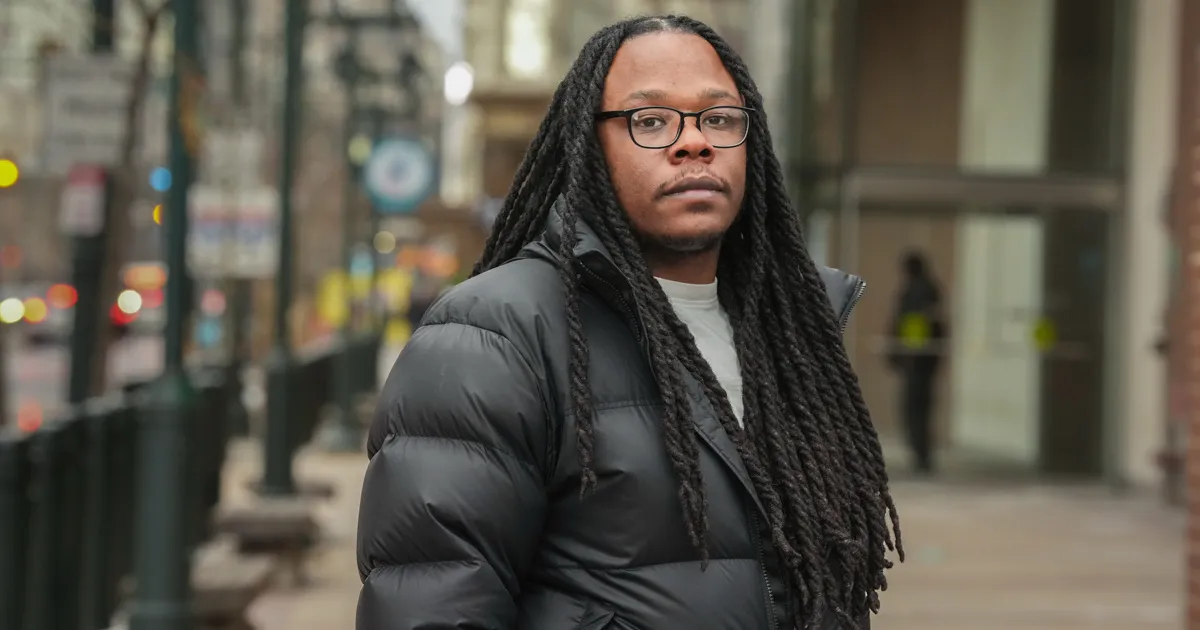
A joint investigation by ProPublica and the Philadelphia Inquirer has found that court-appointed attorneys in Pennsylvania frequently file “no-merit” letters to oppose their clients’ requests to overturn murder convictions. The practice, permitted under the state’s Post Conviction Relief Act (PCRA), has resulted in wrongful convictions being upheld for years or decades. A review of 250 reversed convictions since 2018 showed that in at least 50 cases, lawyers rejected claims that were later proven valid by other courts.
The inquiry examined case files and invoices from 83 homicide PCRA matters where attorneys filed these letters. Records indicate that in approximately three-quarters of these cases, lawyers did not arrange a single phone call with the client, contact the trial lawyer, or obtain police or prosecution case files. These files have been a key source of evidence in overturned convictions since Philadelphia’s district attorney began making them available to lawyers six years ago.
Milique Wagner, who spent nine additional years in prison after his lawyer filed a no-merit letter, was released in January 2023. The district attorney’s Conviction Integrity Unit acknowledged that police had hidden evidence regarding a corrupt detective and a confessing informant. Wagner’s appointed attorney, Stephen T. O’Hanlon, had urged the judge to shut down the petition, stating there were no meritorious issues. O’Hanlon filed more than 100 no-merit letters since 2018, with half filed less than a month after formal appointment.
Court-appointed attorneys George S. Yacoubian Jr. and Douglas Dolfman continue to receive cases despite criticism from the state Superior Court and disciplinary boards. Yacoubian has filed close to 100 Finley letters since 2018, while Dolfman has faced six criticisms from the Superior Court over the last six years regarding abandoned clients and deprived representation. Neither lawyer faced disciplinary action following these findings.
Daniel Anders, the administrative judge overseeing Philadelphia’s court-appointed counsel system, did not respond to requests for comment. Judge Barbara McDermott, who recently retired, defended the system, stating that no-merit letters play an important role in shutting down pointless challenges to ensure case finality. She noted that while the system is not perfect, it is working as intended to prevent endless litigation.