Investigation finds carbon capture technology falls short of climate targets
A new investigation reveals that global carbon capture and storage deployment remains far below projections by the International Energy Agency and United Nations models, with current volumes insufficient to offset even a single large power plant’s annual emissions.
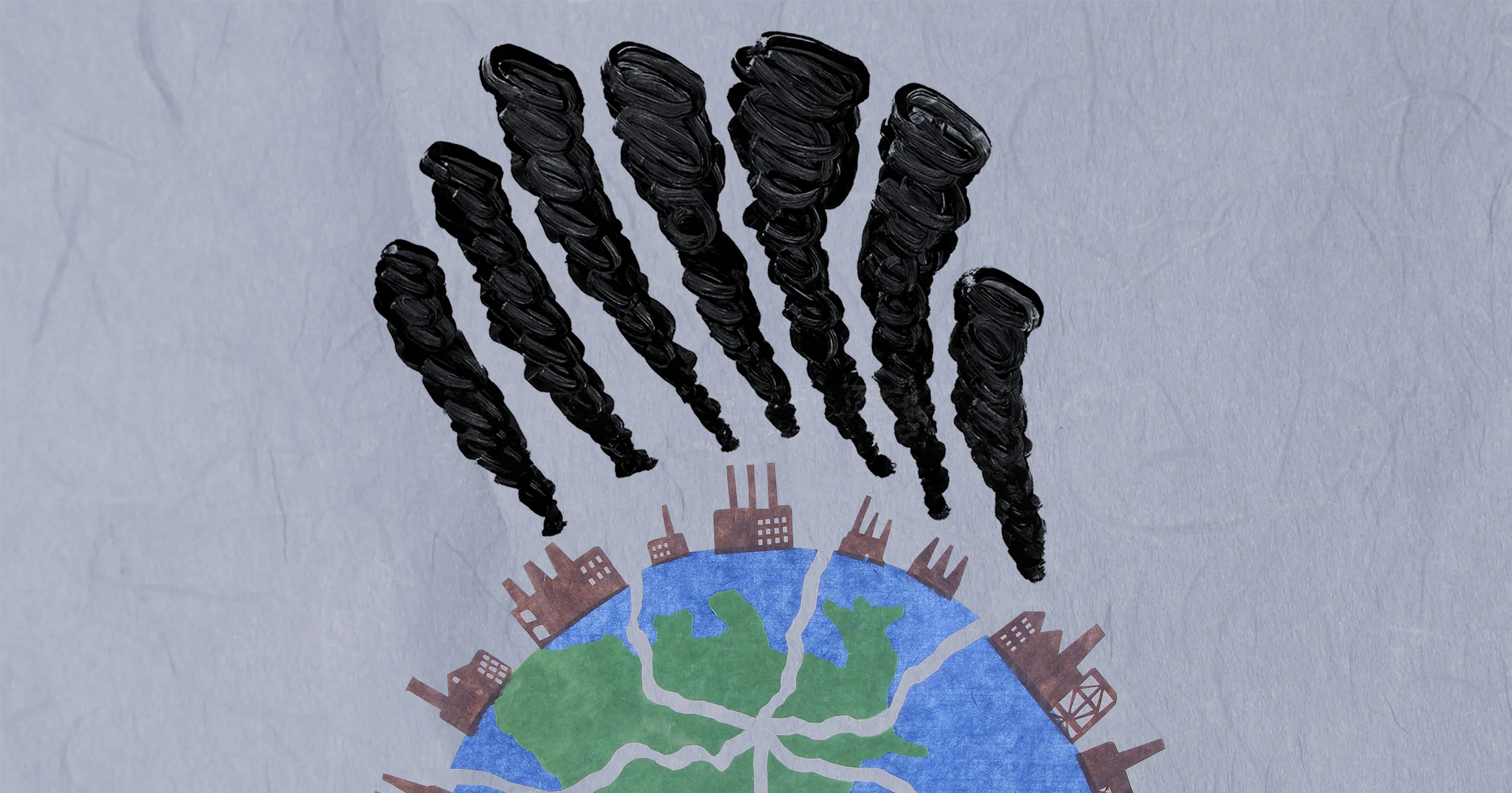
An investigative series by ProPublica and Drilled has concluded that carbon capture and storage (CCS) technology cannot serve as a viable solution to climate change, citing insurmountable logistical, financial, and technical barriers. The report argues that while oil companies have funded research into the technology for decades, actual progress has been hindered by reservoir capacity limits, equipment failures, and leak risks, contrasting sharply with the rapid real-world success of solar power.
The investigation highlights a significant disparity between global CCS deployment and the ambitious projections made by the International Energy Agency (IEA) and United Nations models. Current permanent burial volumes are less than the annual emissions of a single large power plant. To meet the scale envisioned by these models, such as storing 6 billion tonnes of CO2 annually by mid-century, the world would require vast land use, extensive pipeline infrastructure, thousands of new geological reservoirs, and annual costs reaching half a trillion dollars.
According to the report, achieving the 6 billion tonne target would necessitate devoting approximately 768,000 square miles of land worldwide to growing carbon-absorbing plants, an area roughly the size of Mexico. In the United States alone, moving the captured gas could require building more than 68,000 miles of new pipelines. The investigation notes that of the 12 completed large-scale CCS injection projects globally, 11 remain operational and one has been decommissioned, yet many have faced problems in countries including Norway, Algeria, Australia, and the US.
The series points to the Gorgon Carbon Dioxide Injection Project in Australia, which injected 2.7 million tons in 2019, as a benchmark for calculating the number of reservoirs needed. To meet the 6 billion tonne target, the world would need more than 2,000 reservoirs of that size, requiring a new geological waste site to be opened every four days for the next 25 years. The report also notes that US taxpayers currently subsidise oil and gas companies at $85 per metric ton via the 45Q tax credit, a figure used to project annual global expenditure on CCS by 2050.
In response to questions regarding the findings, the IEA stated that their scenarios are not predictions but explorations of policy and technology trade-offs. The agency attributed the lag in CCS adoption to a lack of policy support compared to solar power, particularly in China, and noted that CCS remains part of the solution portfolio for industries that might otherwise be hard to decarbonise.