Inside the Arsenal cultural rebuild: How psychology and distributed leadership shaped a Champions League final
From reshaping dressing rooms to implementing shared captaincy, Arsenal’s path to the UEFA Champions League final is rooted in a deep structural and psychological overhaul.
Arsenal have secured their place in the UEFA Champions League final, scheduled for 30 May in Budapest, where they will face holders Paris Saint-Germain. The achievement follows the club’s recent Premier League title win, their first in 22 years, and manager Mikel Arteta attributes this success to a comprehensive cultural and psychological rebuild rather than tactical adjustments alone.
Central to this transformation is Professor Tim O’Brien, an Honorary Professor at UCL and former Arsenal psychologist who worked under Arsène Wenger. O’Brien spent several years under Arteta analysing and changing the club’s culture, focusing on the intersection of thinking, emotion, and performance. His approach emphasised that a team is a "community of mind" where resilience is built through togetherness rather than being an inherent personality trait.
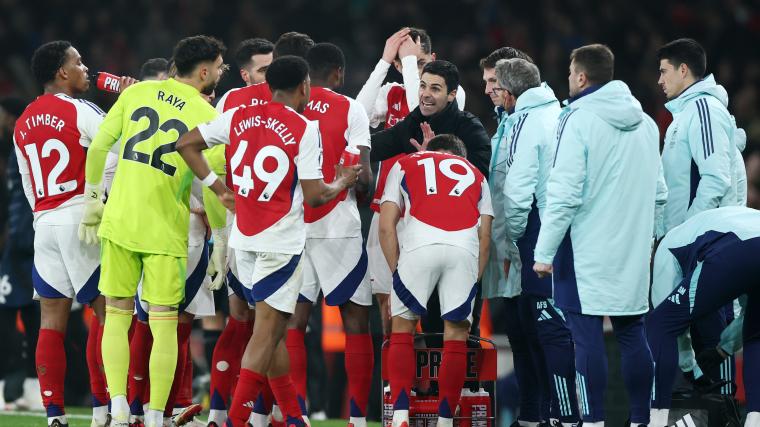
Arteta implemented a strategy of distributed leadership, sharing captaincy responsibilities among Martin Odegaard, Bukayo Saka, Gabriel Magalhaes, Declan Rice, Mikel Merino, Jurrien Timber, and David Raya. O’Brien argued that leadership cannot rest on one individual and that captains must gain respect by living the team’s values. This structure was designed to create a psychological environment where players feel a sense of belonging, which O’Brien identifies as critical for handling pressure.
The cultural shift involved tangible changes to the club’s infrastructure and daily routines. Arsenal reshaped the away dressing room at the Emirates Stadium to be tighter and less welcoming for visiting teams. Training sessions incorporated music to build energy, and Arteta utilised motivational tools, including a speech by actor Tom Hiddleston regarding pressure as a privilege. The club has also filmed behind-the-scenes content, expected to be released via a tie-up with Paramount+, showcasing these motivational talks.
Historically, Arsenal has never won the European crown, and this final presents a stark tactical contrast with PSG, who are the top scorers with 44 goals compared to Arsenal’s best defensive record of nine clean sheets. The rebuild addresses a period of internal turmoil in 2020, marked by media leaks and player confrontations. Arteta’s focus on internal trust and psychological resilience has positioned the squad to face the ultimate test in Budapest.