Infrastructure deficit: How France’s concrete boom left Roland Garros without its home champions
With clay now comprising just 16% of 31,000 recognised facilities, the French Tennis Federation’s hybrid-court initiatives face criticism as insufficient to restore traditional formative experience for local players.
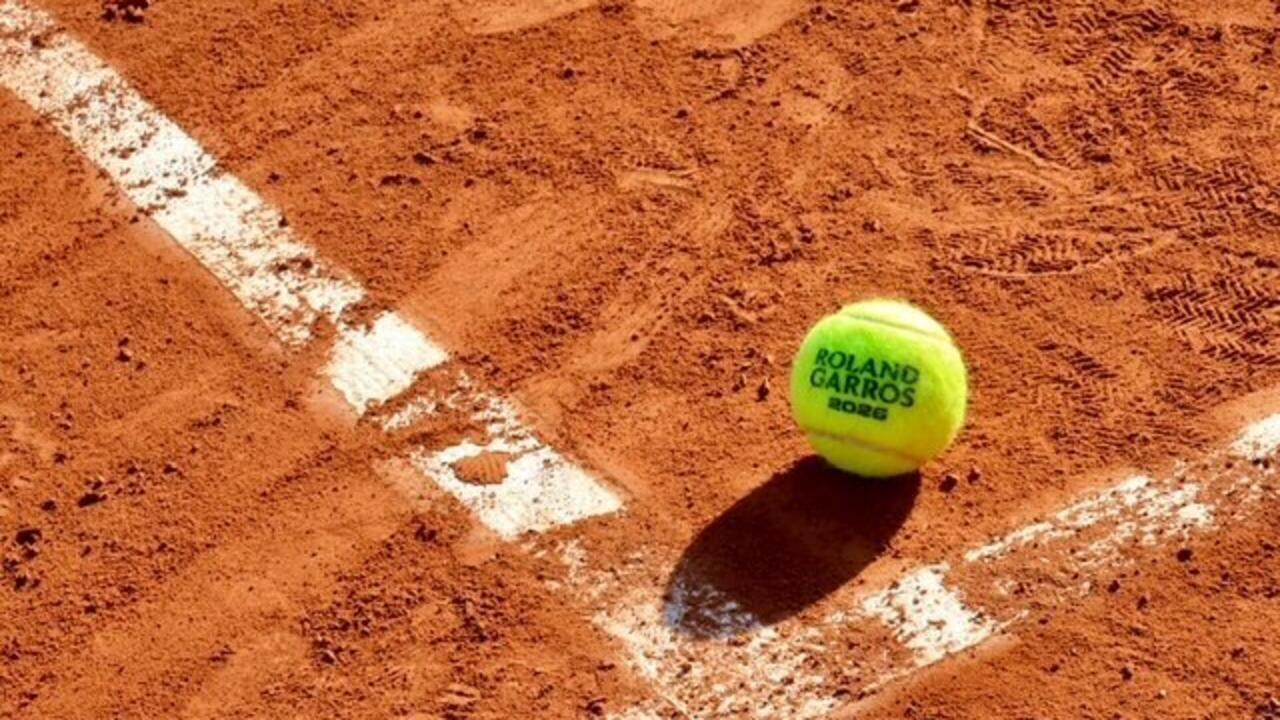
France’s underperformance at the recent Roland Garros tournament has been linked to a systemic decline in clay-court infrastructure, with the surface now accounting for only 16% of the country’s 31,000 recognised tennis facilities. Of the 30 French players who entered the tournament this year, only nine advanced past the first round, marking the third-lowest tally in the past three decades and underscoring a growing disconnect between the host nation and its iconic red-dirt stage.
The decline traces back to a 1981 government plan initiated by then-French Tennis Federation (FFT) president Philippe Chatrier, which prioritised cheaper, low-maintenance concrete courts to democratise the sport. While the initiative successfully expanded licensed participation from 100,000 in the 1960s to over 1 million by the 1990s, the overwhelming majority of new courts were concrete. This shift left clay as the preserve of a social elite, with historian Patrick Clastres noting that the effort to broaden access ultimately reinforced a social divide within the sport.
The financial burden of maintaining traditional clay surfaces has further accelerated the transition to hard courts. Clay courts require significant labour, with some club heads estimating up to 70 hours of maintenance per court annually, compared to minimal upkeep for concrete. In response to these costs, the FFT has introduced financial supports, including a maintenance grant of €800 per year per clay court since 2021, and coverage of at least 30% of the cost for new courts, up to €100,000 per court.
Recognising the limitations of these measures, the federation is now promoting hybrid-clay surfaces as a more sustainable alternative. The FFT plans to cover 60% of the cost, approximately €35,000, for converting concrete courts to hybrid-clay surfaces, which are three centimetres thick and require less maintenance than traditional clay. FFT head Gilles Moretton has also announced plans to foster junior tournaments on artificial clay to ensure young players gain necessary match practice on the surface.
Despite these interventions, critics argue the measures are insufficient to restore the traditional clay-court culture that once produced champions. Coaches such as Patrick Mouratoglou have criticised the FFT’s centralised training model, which relies on indoor hard-court facilities in Paris, as fundamentally flawed for developing clay-court specialists. While France maintains the second-highest number of licensed players in Europe, the lack of formative experience on the surface continues to hinder the emergence of Grand Slam contenders on home soil.