Influencers challenge UK media over Farage coverage
A coordinated digital campaign has emerged to counter the public narrative of Nigel Farage, following allegations that national outlets are providing favourable reporting to the far-right leader.
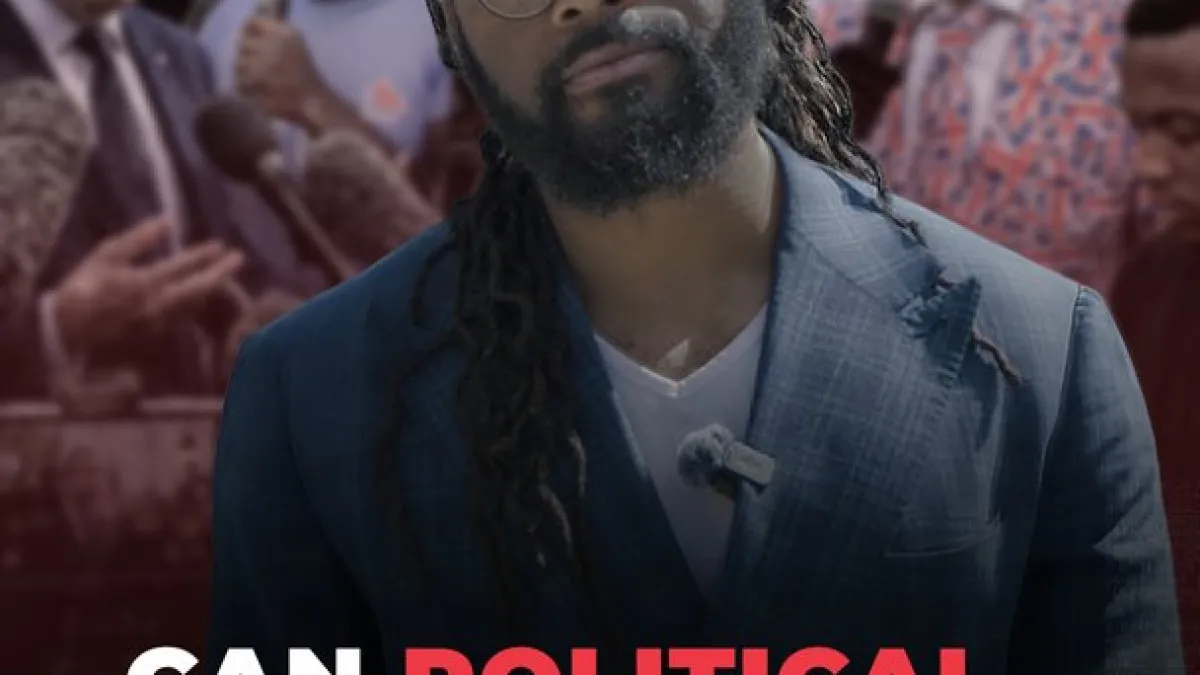
Online influencers in the United Kingdom have launched a counter-effort to challenge the prevailing narrative surrounding Nigel Farage, responding to accusations that domestic media outlets are providing him with favourable coverage. The initiative marks a growing digital pushback against what critics describe as an uneven playing field in political reporting.
The campaign is driven by allegations that UK media organisations have been giving the far-right leader an easy ride. According to reports from Al Jazeera, the accusations centre on the perception that mainstream broadcasters and publishers are not subjecting Farage to the same level of scrutiny applied to other political figures, thereby amplifying his message without adequate challenge.
This influencer-led movement represents a shift in how political narratives are contested in the digital sphere. Rather than relying solely on traditional editorial corrections, a network of online content creators is actively working to deconstruct and critique the framing of Farage’s political activities. The effort aims to provide an alternative perspective to audiences who may be consuming the primary news cycle through conventional channels.
The source material identifies Farage explicitly as a far-right leader, a characterisation that underpins the critics' arguments regarding the nature of the coverage in question. The influencers argue that the current media landscape fails to adequately address the implications of his political stance, necessitating a direct intervention from the digital community to correct what they view as systemic bias.
While the specific mechanisms of the influencers' challenge are not detailed in the available reporting, the emergence of this coordinated effort highlights the increasing role of non-traditional media actors in holding both political figures and news organisations accountable. The campaign underscores the ongoing tension between established media institutions and the rapidly evolving dynamics of online political discourse.
As the debate over media fairness continues, the focus remains on whether the current coverage standards in the UK are sufficient to meet the demands of a polarised political environment. The influencers’ intervention suggests that for many observers, the responsibility for ensuring balanced reporting is no longer resting solely with professional journalists.