Infantino’s Colombia visit signals Fifa’s defiance amid governance crisis
Gianni Infantino’s attendance at the inauguration of Colombian President Abelardo de la Espriella in Cali underscores a strategy of continuity, despite intensifying scrutiny over his autocratic management style and political entanglements.
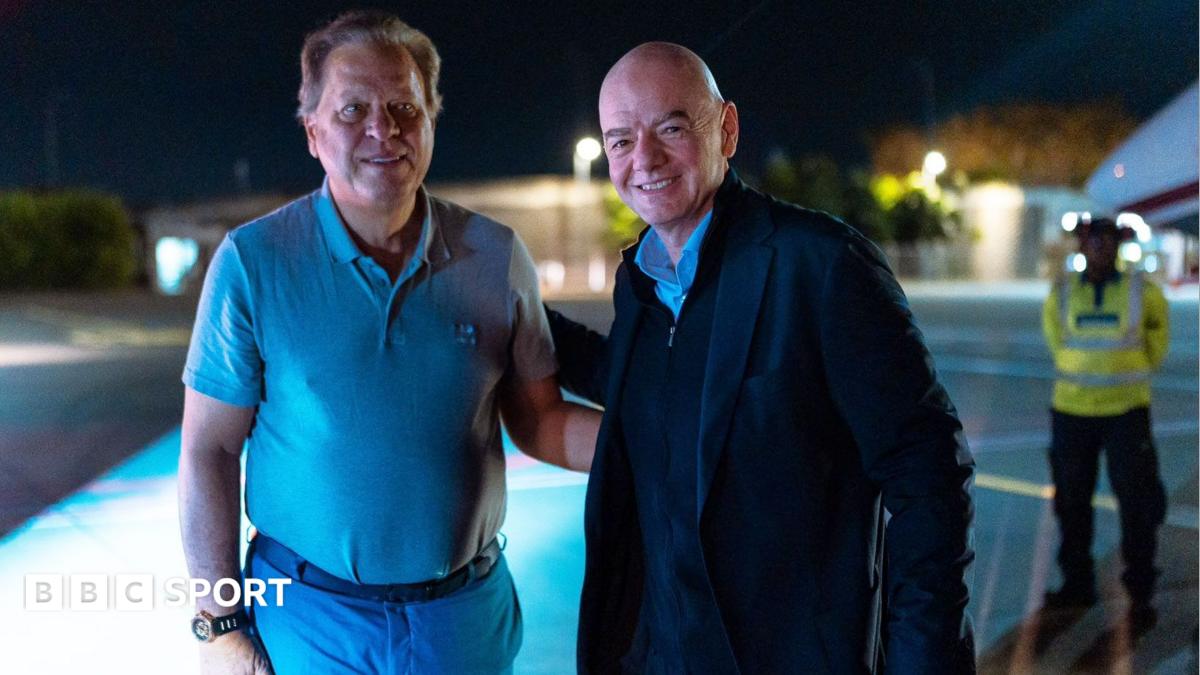
Fifa President Gianni Infantino arrived in Cali on Friday to attend the inauguration of Colombia’s new president, Abelardo de la Espriella, accompanied by Alejandro Dominguez, the president of South American football governing body Conmebol. The diplomatic engagement was marked by a runway greeting from Ramon Jesurun, the Colombian Football Federation president and a close ally of Infantino, who utilised the occasion to display public support through official federation channels.
The visit occurs against a backdrop of significant institutional turbulence, particularly following the backlash that led to the abandonment of the Fifa Forward Enterprise plan. That proposal, which sought to sell a 21 per cent stake in the men’s World Cup commercial and ticketing business to private equity firms linked to Jared Kushner, triggered a crisis of confidence within the organisation. Infantino has since issued an apology and expressed a desire to withstand the resulting pressure, attempting to return to standard operational procedures.
However, the path to normalisation remains obstructed by external threats, most notably Uefa’s declaration that it will boycott Fifa tournaments. This stance is set to be tested when the Fifa Under-20 World Cup commences in Poland in 29 days. While Infantino appears emboldened by support received from non-European member associations, critics argue that his governance style has become increasingly autocratic, prioritising personal political alliances over the collective interests of world football.
Infantino’s tenure has been characterised by high-profile political engagements, including a close association with US President Donald Trump. This relationship has drawn sharp criticism, with Uefa accusing the Fifa president of prioritising private political interests, a charge highlighted by Infantino’s late arrival at the Fifa Congress in Paraguay during a diplomatic tour with Trump. Further controversy arose when the Fifa Peace Prize was awarded to Trump, and when US striker Folarin Balogun avoided a ban following a red card incident, a decision Trump claimed resulted from a personal call to Infantino.
The logistical and financial scale of Infantino’s presidency has also faced scrutiny. His role involves extensive global travel, facilitated by a Qatar Airways Executive jet and a motorcade, alongside a compensation package that has risen to approximately £4 million annually. While Infantino argues that record revenues justify his salary and that his efforts have funded grassroots projects across 211 member nations, opponents contend that the organisation can no longer be managed as a unilateral project. With Uefa viewing the current moment as an opportunity to force a leadership change, Infantino’s continued presence on the global stage, as demonstrated in Colombia, signals a reluctance to step down easily.