Indonesia’s Emerging Market Status at Risk as Fiscal Pressures Mount
Foreign capital withdrawal and rising debt servicing costs threaten to derail President Prabowo Subianto’s economic agenda, with analysts warning of a potential loss of market credibility.
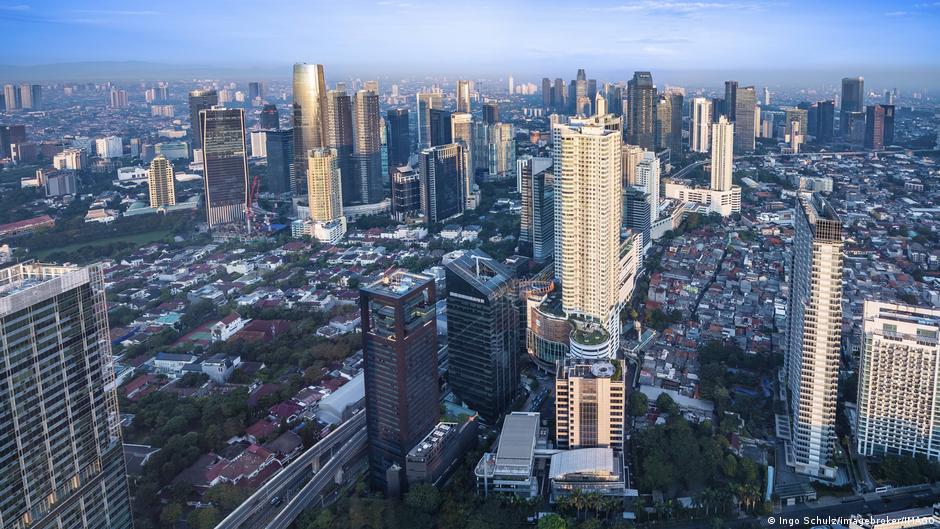
Foreign investors have withdrawn billions from Indonesian assets, triggering a significant sell-off in the Jakarta stock market and a sharp decline in the rupiah. The financial turmoil is attributed to a combination of external shocks—specifically the closure of the Strait of Hormuz, which spiked fuel subsidy costs—and internal concerns regarding President Prabowo Subianto’s ambitious spending plans and rising debt servicing costs. Rating agencies have downgraded Indonesia’s outlook to negative, with warnings of a potential downgrade from emerging market to frontier economy status due to fiscal risks and transparency issues.
The closure of the Strait of Hormuz caused fuel subsidy costs to rocket, with policymakers requiring an extra $6 billion or more to keep prices stable, as reported by Reuters in March. The national currency, the rupiah, plunged 8% to record lows near 18,000 to the dollar. The Jakarta stock market fell by a third, becoming the worst-performing market this year, after previously heading for a record above 9,000. Global funds sold a net $3.9 billion worth of Indonesian stocks this year, the largest sell-off since just before the 1997-98 Asian Financial Crisis, according to the Financial Times.
President Prabowo Subianto launched a new sovereign wealth fund managing assets worth around $900 billion. S&P Global Ratings warned on July 9, 2026, that it may announce a similar downgrade to frontier status, citing transparency issues. Approximately 834 trillion rupiah ($46.1 billion) of government debt is maturing this year, creating heavy refinancing pressure. Local media reported that close to a quarter of all tax receipts in 2026 would go toward interest payments, more than double the ratio recommended by the International Monetary Fund.
The Indonesian government has faced criticism for relying on larger deficits to fund populist spending on housing, education, and health, despite a historical commitment to a deficit ceiling of 3% of gross domestic product. While the debt-to-GDP ratio remains at 40.75%, the cost of servicing that debt has become a primary concern for international observers. Economists have described the administration's policies as overly ambitious and inefficient, noting that the surge in energy costs has rendered the spending plans increasingly unsustainable.
Transparency issues have further complicated the investment landscape. MSCI, which owns the benchmark index used by investors to track domestic stocks, warned in January that Indonesia risked being downgraded from an emerging market to a frontier economy due to opaque ownership details of some Jakarta-listed companies. Moody’s and Fitch had already cut Indonesia’s outlook to negative earlier this year, citing the risks from the rapid spending push. A downgrade would likely exclude Indonesia from the radar of investors specializing in emerging economies, potentially hampering the country's ability to tap into capital markets.
Analysts warn that investor confidence can deteriorate quickly if governance concerns, fiscal risks, and currency pressure reinforce each other. While falling oil prices may help stabilize public finances, experts doubt that the current trend of populist spending will be reined in. The government faces intense pressure to demonstrate fiscal prudence to avoid a scenario where economic fortunes move from a slow-motion loss to a free fall, echoing the lessons learned from the Asian Financial Crisis.