Indonesia sentences four military officers for acid attack on rights activist
A military court in Jakarta has handed down prison terms ranging from 1.5 to three years to four officers from the Strategic Intelligence Agency for the March assault on Andrie Yunus, a deputy coordinator with the Commission for Missing Persons and Victims of Violence.
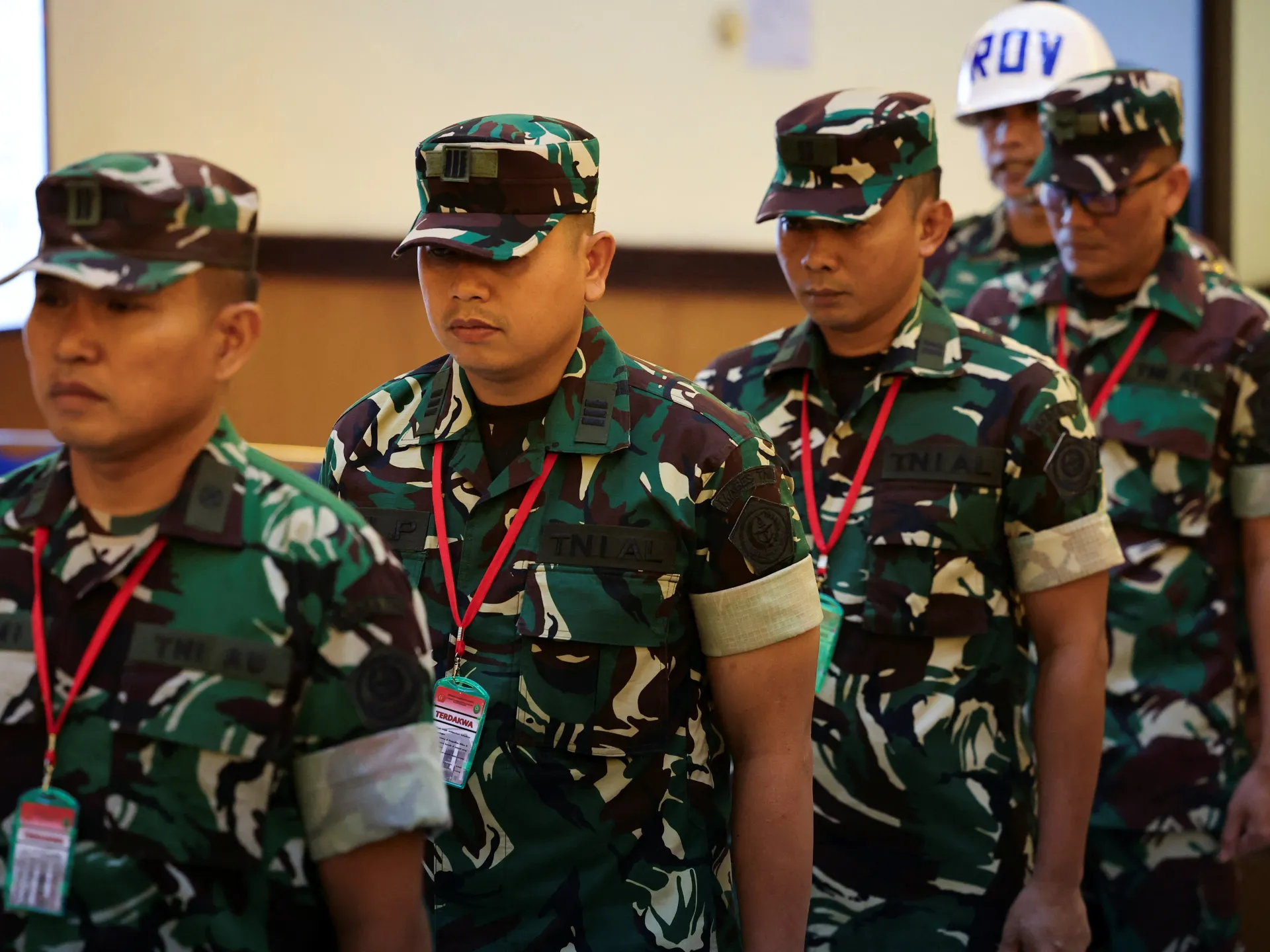
An Indonesian military court has sentenced four officers from the Strategic Intelligence Agency (BAIS) to prison terms ranging from 1.5 to three years for their involvement in an acid attack on rights activist Andrie Yunus. The verdict, delivered by presiding judge Fredy Ferdian Isnartanto, concluded a trial that began in April and drew significant national and international attention due to concerns over democratic backsliding and the expanding role of the military in civilian governance.
Yunus, 27, was blinded in one eye and suffered burns to more than 20 percent of his face and body during the assault on March 12 in Jakarta. Two men on a motorbike threw acid at Yunus as he rode his own motorbike. The charges carried a maximum sentence of 12 years in prison, yet the four officers received significantly lighter terms. Edi Sudarko was sentenced to three years, Budi Hariyanto Widhi Cahyono to 2.5 years, Nandala Dwi Prasetia to two years, and Sami Lakka to 1.5 years.
Judge Isnartanto described the soldiers’ conduct as arrogant, noting that prosecutors argued the accused were motivated by anger over Yunus’s activism rather than acting under official orders. Yunus, a deputy coordinator with the Commission for Missing Persons and Victims of Violence (KontraS), had been a vocal critic of President Prabowo Subianto’s government and its efforts to allow active-duty military personnel to hold wider government positions following a recent legislative amendment.
The case highlighted broader tensions regarding accountability within the Indonesian security apparatus. Yunus had requested the trial be held in a civilian court, citing fears of a cover-up and noting that attacks on activists are rarely punished in the country. He refused to attend any of the trial hearings, citing health reasons and a distrust of the military justice system.
The attack prompted international condemnation, with United Nations High Commissioner for Human Rights Volker Turk calling it a cowardly act of violence and Special Rapporteur Mary Lawlor describing it as horrific. Following public outrage over the incident, the head of the Strategic Intelligence Agency resigned, although no specific reason was made public for the departure.