India’s ruling ecosystem signals shift as Pakistan leverages new US ties
As informal backchannels operate across the Middle East and Europe, New Delhi faces mounting pressure to reassess its hardline stance amid a deteriorating relationship with Washington and a strengthened diplomatic position for Islamabad.
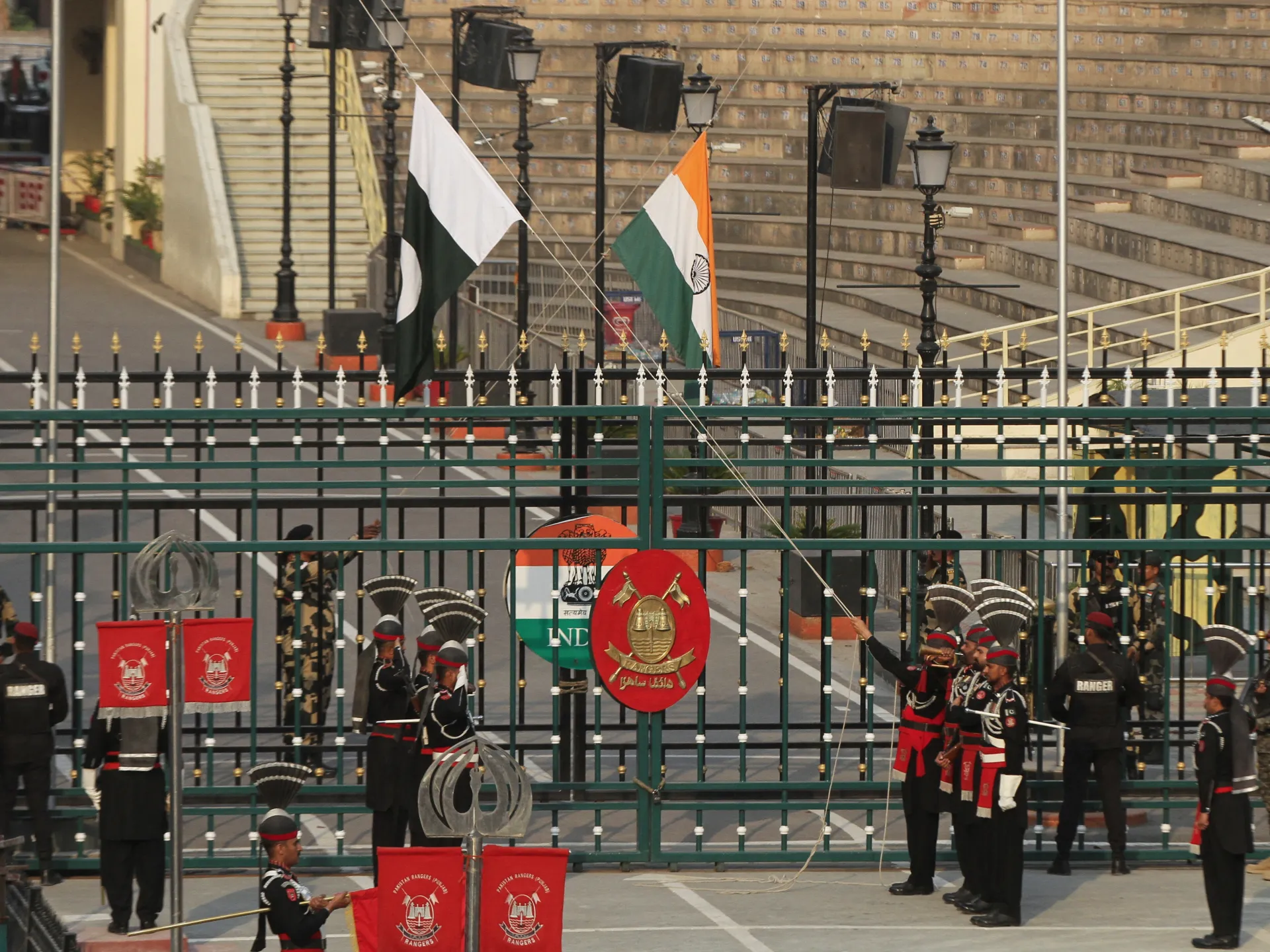
Influential figures within India’s ruling political ecosystem have publicly advocated for renewed dialogue with Pakistan, marking a notable divergence from the Indian government’s official hardline stance. Dattatreya Hosabale, general secretary of the Rashtriya Swayamsevak Sangh (RSS), stated in an interview that New Delhi should explore engagement with Islamabad and not close the doors to diplomacy. His comments, which stirred political debate in India, were subsequently backed by former army chief General Manoj Naravane, who argued that friendship between peoples naturally aids state relations.
The Indian government, led by Prime Minister Narendra Modi, has maintained a public position that terror and talks cannot coexist, linking any dialogue to the cessation of cross-border violence. However, analysts suggest that the push for talks from the RSS and retired military leaders provides political cover for New Delhi to re-engage without appearing to make a unilateral concession. Irfan Nooruddin, a professor of Indian politics at Georgetown University, noted that the Modi government has boxed itself into a corner with its anti-Pakistan rhetoric, making it politically costly to initiate dialogue independently.
This shift in rhetoric occurs against a backdrop of significant geopolitical realignment. Pakistan’s standing with the United States has reportedly strengthened, with Field Marshal Asim Munir brokering a ceasefire between Washington and Tehran in April 2026. This development has enhanced Islamabad’s diplomatic leverage, while India-US relations have come under strain due to disputes over trade tariffs and immigration restrictions. Analysts indicate that New Delhi can no longer afford to isolate Pakistan as it once did when it held greater influence in Washington.
Despite the political signalling, public rhetoric between the two nuclear-armed neighbours remains hostile. Indian Army Chief General Upendra Dwivedi recently warned Pakistan that it must decide whether to be part of geography or history if it continues to harbour terrorists. Pakistan’s military responded swiftly, describing the remarks as hubristic and warning that any attack could trigger consequences not confined to the region. Concurrently, India has rejected a Hague tribunal ruling on the Indus Waters Treaty, reiterating that the treaty remains suspended following the Pahalgam attack in April 2025.
Amidst this public hostility, informal Track 1.5 and Track 2 meetings have taken place in Muscat, Doha, Thailand, and London over the past year. These engagements, involving former officials and civil society members, are viewed by diplomats as essential infrastructure to prevent misunderstandings and test the waters for formal diplomacy. However, experts caution that these quiet signals reflect realism rather than sudden reconciliation, with the political will for formal dialogue yet to be clearly established.