India’s Gen Z movement escalates demands for Modi’s resignation ahead of parliament march
Tens of thousands of students and supporters are expected to converge on New Delhi’s Parliament as the monsoon session begins, marking a significant escalation in the protest movement that originated from examination integrity scandals.
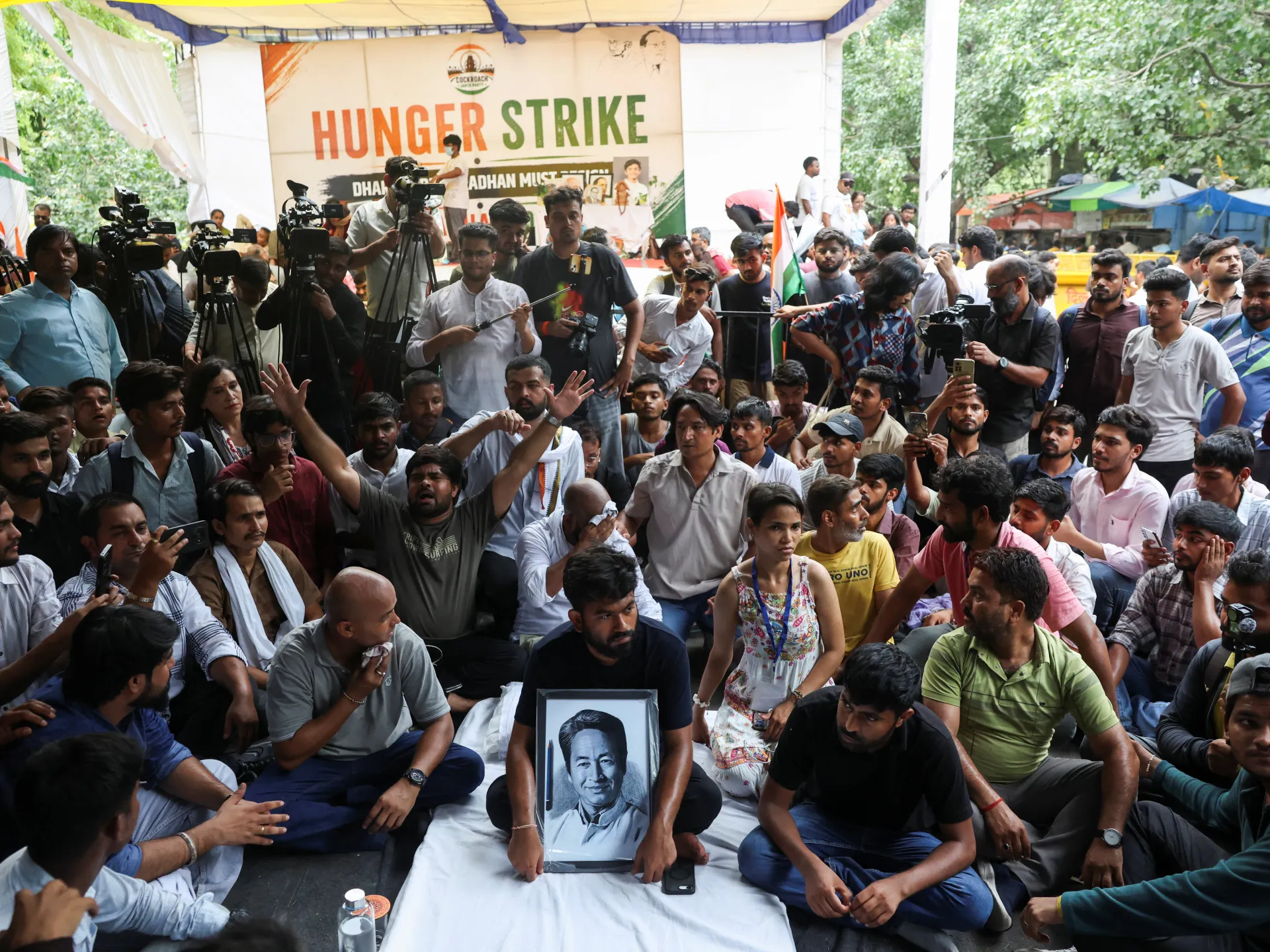
Tens of thousands of protesters, predominantly students, are preparing to march to India’s Parliament in New Delhi on Monday to demand the resignations of Prime Minister Narendra Modi and Education Minister Dharmendra Pradhan. The call for the demonstration was issued by Abhijeet Dipke, founder of the Cockroach Janta Party (CJP), following the forcible removal of activist Sonam Wangchuk from the Jantar Mantar protest site by police on Saturday. The event has intensified anger among demonstrators and coincides with the commencement of Parliament’s monsoon session.
The protest movement, driven by Gen Z youth, originated from outrage over examination paper leaks and technical glitches. Participants adopted the “cockroach” identity in response to derogatory remarks by a senior judge who likened government critics and unemployed youth to “cockroaches” and “parasites”. The movement’s initial demand focused on the sacking of Education Minister Dharmendra Pradhan, whom protesters accused of inaction regarding exam leaks that have contributed to student suicides over the past decade.
Wangchuk, a 59-year-old engineer and educator from Ladakh, had been undertaking an indefinite hunger strike in solidarity with the movement for 20 days. Police cited a court order and Wangchuk’s “deteriorating health condition” for the removal, transporting him to a government hospital against his stated wishes. Wangchuk’s wife, Gitanjali J Angmo, has accused the government of “illegal detention” and petitioned the court for his transfer to a private facility.
Dipke, who has been assaulted twice in the past month, pledged to continue a hunger strike in Wangchuk’s place and escalated the protest demands to include the Prime Minister’s resignation. The CJP has called for sweeping reforms to India’s competitive examination system and compensation for the families of students who died by suicide. Other activist groups and political parties have expressed solidarity with the march, urging people to join.
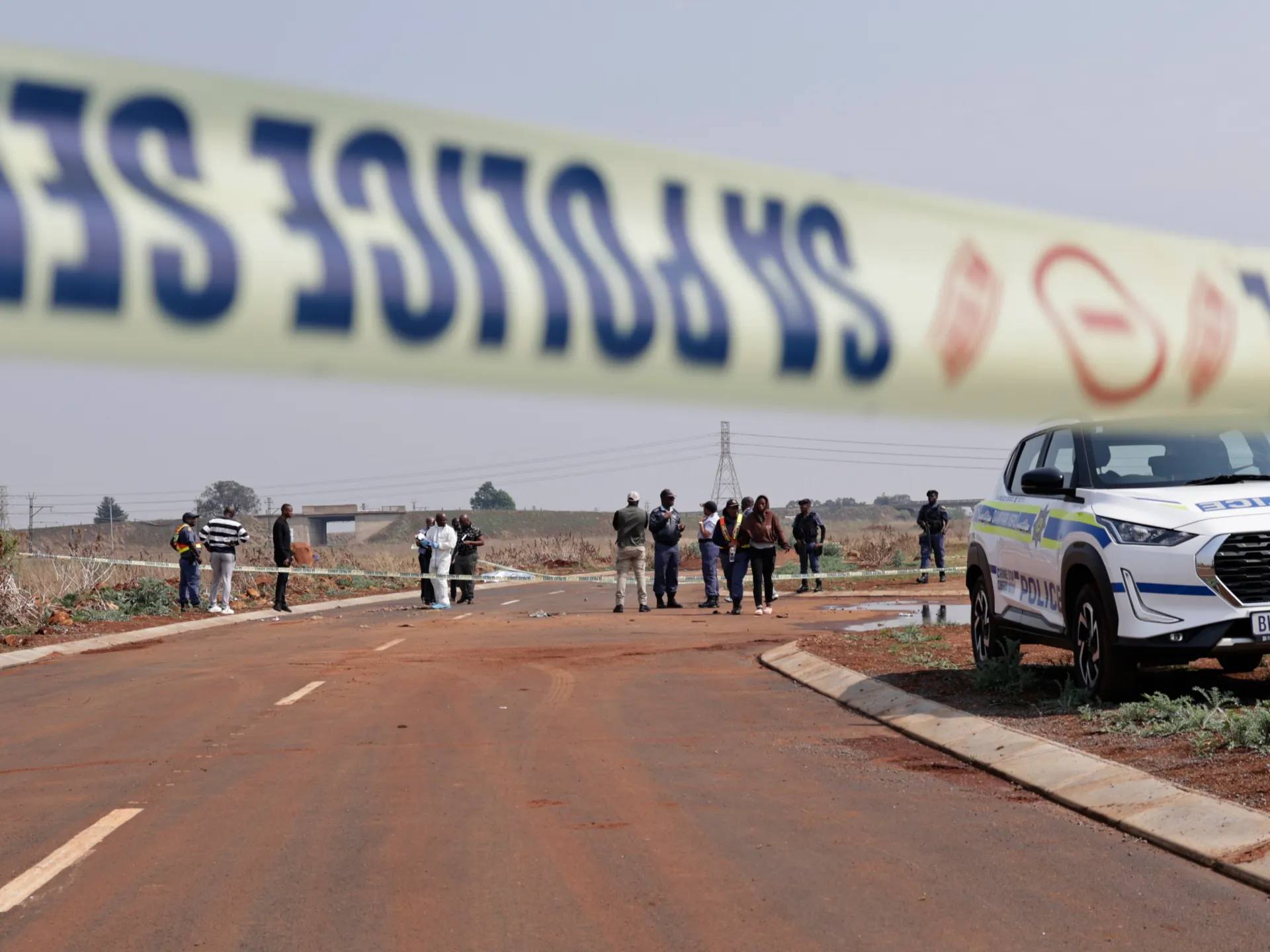
New Delhi is on high alert with a heavy deployment of police and paramilitary forces ahead of the planned march. Despite warnings from the Delhi police, who are controlled by the federal government, protesters have vowed to remain peaceful while preparing to face potential confrontations. CJP spokesman Saurav Das described the march as a fight for the nation’s future, stating that the demonstration would decide whether the country remains alive as a society.