India’s food safety regulator targets luxury hotels and major brands
High-profile raids on New Delhi hotels and a surge in notices to food giants highlight the gap between statutory standards and daily operational enforcement.
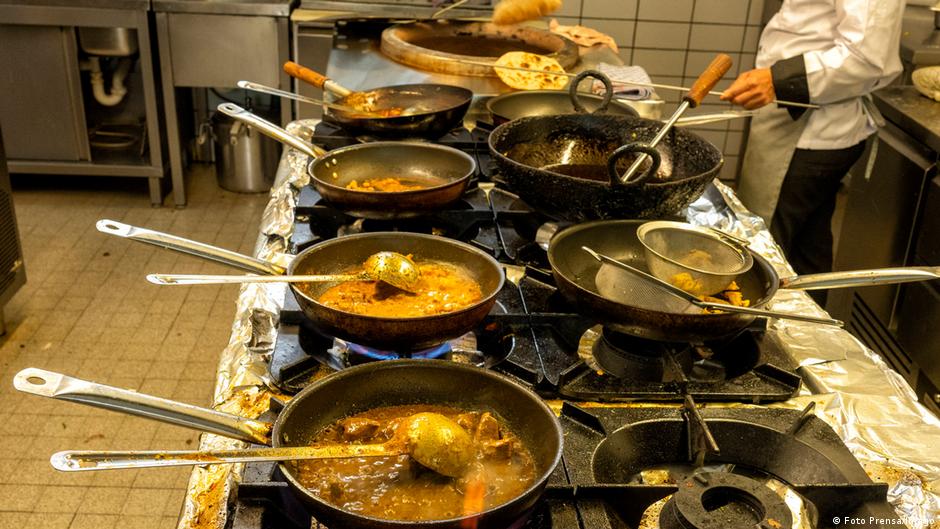
The Food Safety and Standards Authority of India (FSSAI) has intensified its oversight of the hospitality and food manufacturing sectors, with recent inspections at five-star properties in New Delhi’s Aerocity district revealing significant hygiene failures. Inspectors cited serious deficiencies at the JW Marriott and Andaz hotels, including pest activity, unclean utensils, and improper segregation of vegetarian and non-vegetarian food. Both establishments stated they were cooperating with the regulator and implementing corrective measures, but the findings underscore the challenges of maintaining standards in high-volume premium venues.
Beyond the hospitality sector, the FSSAI has issued more than 150 notices to leading food and beverage companies since July. These regulatory actions primarily target misleading advertisements, unsubstantiated health claims, and labelling errors. The crackdown reflects a broader institutional effort to align commercial practices with statutory requirements, moving beyond reactive measures to address systemic issues in product presentation and consumer information.
The scale of non-compliance is evident in the regulator’s testing data. In the 2023-24 and 2024-25 fiscal years, authorities tested approximately 170,000 food samples annually, with roughly one in five found to be non-conforming. Provisional data presented to Parliament in July for the 2025-26 period indicates that 40,023 out of 223,808 samples failed to meet safety or labelling standards. Non-conforming food is defined as adulterated, substandard, contaminated, or misbranded, a category that continues to represent a significant portion of the market.
A key structural factor in this enforcement landscape is the voluntary nature of the FSSAI’s Hygiene Rating Scheme for restaurants. Because businesses are not required to participate, routine scrutiny can be less apparent than high-profile inspections triggered by specific incidents. Industry experts argue that this voluntary framework may limit the consistency of oversight, suggesting that a shift from compliance to prevention is necessary to establish a more robust regulatory culture.
Industry leaders have responded to the increased scrutiny by emphasising the need for operational discipline. Sunil Ghadiok, founder of Enserve Hospitality and Management Services, noted that lapses often stem from execution at the operational level rather than a lack of standards. Similarly, Yash Bhanage, COO of Hunger Inc Hospitality, described the current attention as an opportunity for the industry to move from a culture of compliance to one of prevention, highlighting the difficulty of maintaining standards across changing staff and supply chains.
The regulatory environment is further complicated by judicial oversight. The Supreme Court of India is currently questioning the FSSAI regarding the scientific basis and thresholds for proposed front-of-pack warning labels for foods high in sugar, salt, or fat. With the case due to return later this month, the outcome may influence how strictly the regulator enforces labelling and health claims across the packaged food sector.