India’s fertility rate drops below replacement level, sparking policy debate
The Office of the Registrar General and Census Commissioner confirms India’s total fertility rate has fallen below the 2.1 threshold, raising concerns about long-term workforce stability and political representation ahead of upcoming delimitation reforms.
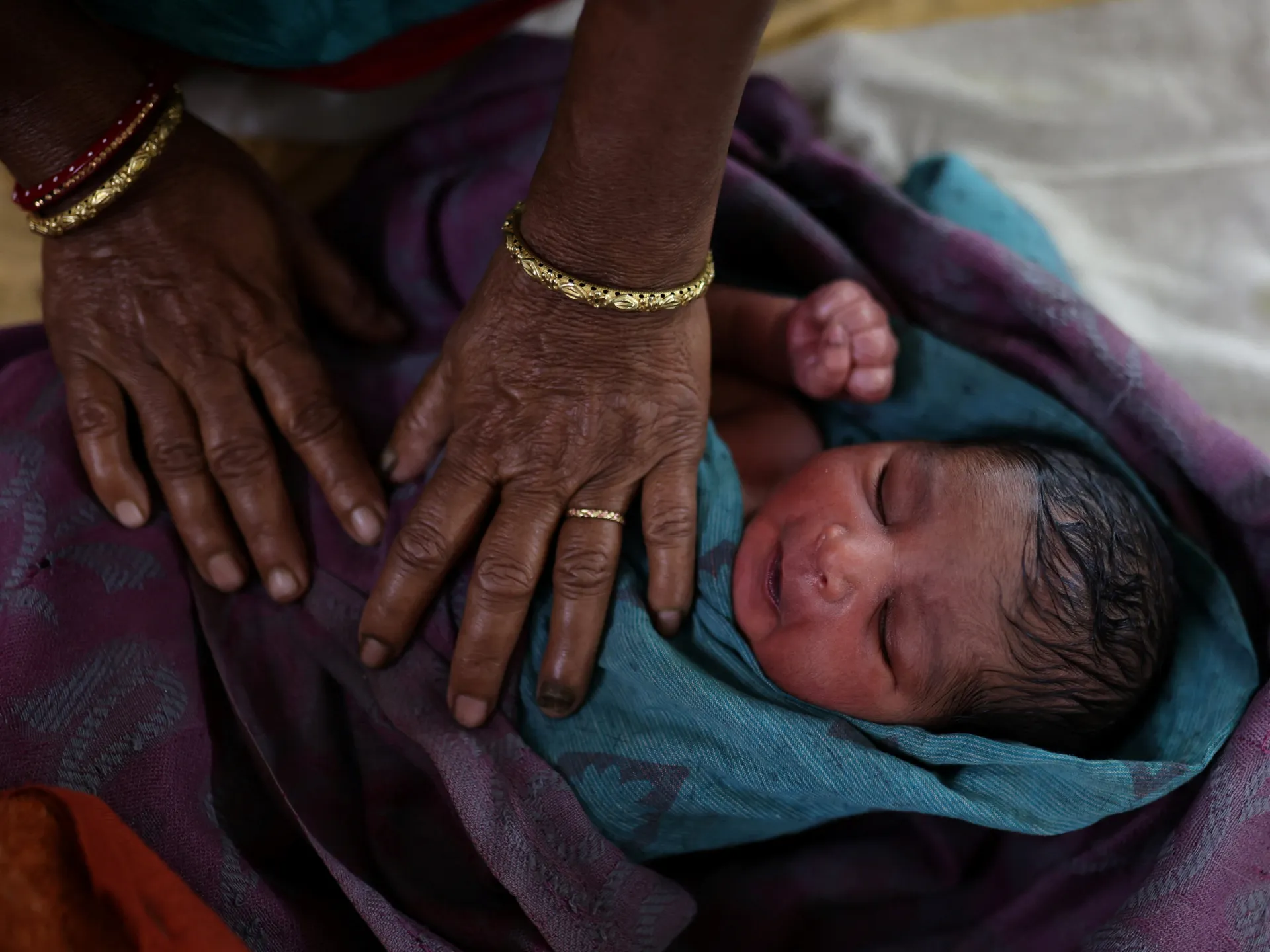
India’s total fertility rate has fallen to 1.9 children per woman, marking the first time the figure has dropped below the 2.1 threshold required to maintain long-term population stability. The latest Sample Registration System (SRS) Statistical Report, released last month by the Office of the Registrar General and Census Commissioner, confirms that the country’s reproduction rate is no longer sufficient to keep the population growing. This shift signals a potential end to the era of rapid demographic expansion that has characterised India’s growth for decades.
The decline is attributed to increased access to education and contraceptives, lower infant mortality, and rising living costs. Infant mortality has decreased from 30 per 1,000 live births in 2019 to 24 per 1,000 in 2024. Development economist Dipa Sinha noted that fertility rates typically drop when women have greater agency and when the economic cost of raising children increases. These factors have correlated with significant regional disparities, with states boasting better health and education systems recording the lowest birth rates.
Regional data highlights a stark divide between the north and south. Bihar, in northern India, recorded the highest fertility rate at 2.9, followed by Uttar Pradesh at 2.6. In contrast, New Delhi registered the lowest rate at 1.2, while southern states such as Tamil Nadu and Kerala recorded rates of 1.3. Andhra Pradesh also reported a low rate of 1.4, despite recent attempts to incentivise larger families.
The demographic shift has immediate political and economic implications. While India’s demographic dividend is projected to last until 2055, experts warn that a shrinking workforce could hinder economic growth and strain social security systems. Furthermore, the variation in birth rates is expected to influence the upcoming delimitation process later this year. Parliamentary seats will be assigned based on population figures from the census concluding in 2027, a move that southern states fear will reduce their political representation as northern states gain population share.
In response to falling fertility, individual states have begun implementing targeted policies. Andhra Pradesh has introduced financial incentives, offering 30,000 rupees for a third child and 40,000 rupees for a fourth. States including Goa, Karnataka, and Telangana have established state-funded IVF centres for first-time parents. Meanwhile, national data shows fertility rates falling across all religious groups, with the Muslim rate dropping from 4.41 to 2.36 between 1992 and 2021, and the Hindu rate falling from 3.3 to 1.94 over the same period.