India’s E20 Fuel Mandate Sparks Consumer Backlash and Political Scrutiny
As vehicle owners report significant drops in mileage and performance, the Modi administration faces questions over policy timing and ministerial ties to the biofuel industry.
India’s mandatory rollout of E20 petrol, a fuel blend containing 20 percent ethanol, has ignited widespread criticism from motorists who report diminished vehicle performance and reduced fuel efficiency. The accelerated implementation, which advanced the National Policy on Biofuels target from 2030 to 2025, has drawn sharp scrutiny from opposition parties and consumer groups. Critics argue the government is conducting an untested experiment on the public, a sentiment amplified in June 2026 when the Attorney General told the Supreme Court the administration was “experimenting” with the blend. Although officials later clarified the remark was misunderstood, the comment fueled national outrage and intensified debates over the policy’s rushed execution.
Motorists across New Delhi and other major cities have documented tangible declines in driving experience. Krishna Kumar, a bank employee in the capital, reported his sedan’s mileage dropping from 18-20km per litre to 16-17km per litre, a decrease of more than 10 percent. He described sluggish acceleration, particularly when overtaking or using air conditioning. Similarly, Anas Khan, who owns a 2021 Maruti Suzuki Baleno, noted his fuel efficiency fell from 18km per litre to nearly 15km per litre, with noticeable reductions in engine pick-up. These testimonials reflect a broader trend among drivers who feel unprepared for the transition, as the government mandates E20 availability at all petrol stations despite widespread concerns regarding older vehicles.
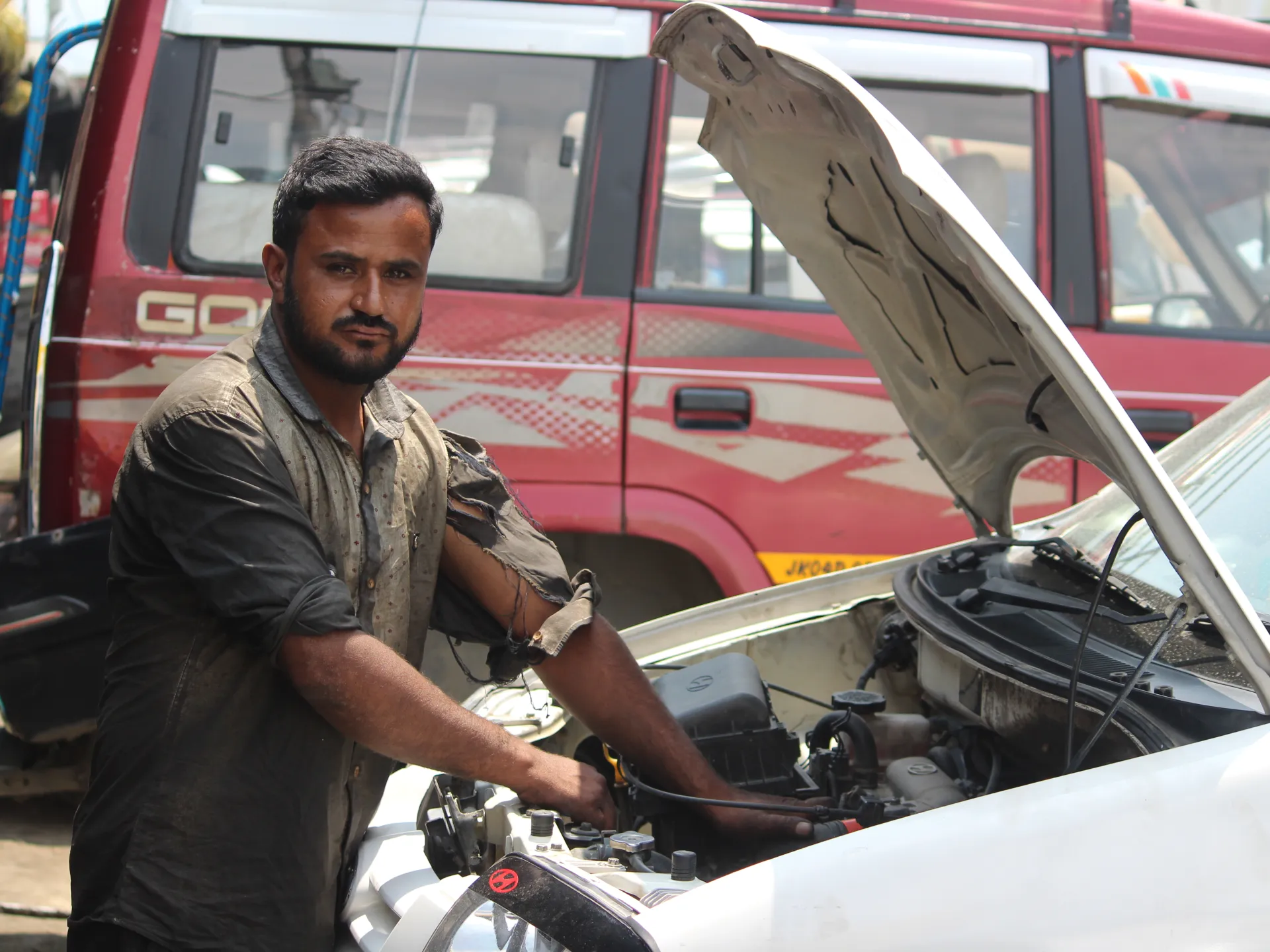
Independent experts suggest that while immediate catastrophic failures are rare, long-term wear on non-compatible vehicles is a plausible concern. Sajad Ahmad Wani, an independent automobile expert, stated that continuous use of E20 in vehicles not designed for higher ethanol blends could accelerate the degradation of rubber hoses, seals, and gaskets. He emphasised that many motorists remain unaware of their vehicle’s compatibility status or the realistic performance changes expected. This lack of clarity has led mechanics like Bilal Ahmad to report increased customer complaints regarding reduced mileage and engine responsiveness, further complicating the government’s narrative of a seamless transition.
The Ministry of Petroleum and Natural Gas (MoPNG) has firmly rejected claims that E20 harms engines or substantially reduces efficiency. Citing studies by the Automotive Research Association of India (ARAI) and the Indian Institute of Petroleum (IIP), the ministry asserts that E20-compatible vehicles experience only a marginal 1-2 percent drop in fuel economy. Officials argue that any material degradation can be managed through routine maintenance and the replacement of inexpensive rubber components. However, energy analysts point out that the lower energy density of ethanol means crude oil demand will not fall proportionally to blending levels, and the corrosive nature of anhydrous ethanol requires specific engine materials to prevent damage.
Political tensions have escalated alongside consumer dissatisfaction, with opposition parties alleging a conflict of interest involving Transport Minister Nitin Gadkari. Critics highlight that members of Gadkari’s family hold commercial interests in companies linked to ethanol production, including CIAN Agro Industries and Manas Agro Industries. Gadkari has dismissed these allegations as politically motivated, stating that his family’s businesses account for less than 0.5 percent of India’s total ethanol production and that policy decisions are made collectively by the cabinet. Despite government assurances of energy security benefits and support for farmers, the debate continues to centre on whether the rush to implement E20 has adequately protected consumer interests and vehicle longevity.