India’s data centre expansion intensifies water crisis in Ghaziabad
Residents face unreliable supplies while state policy guarantees uninterrupted water to facilities, drawing criticism from experts over lack of disclosure and equity.
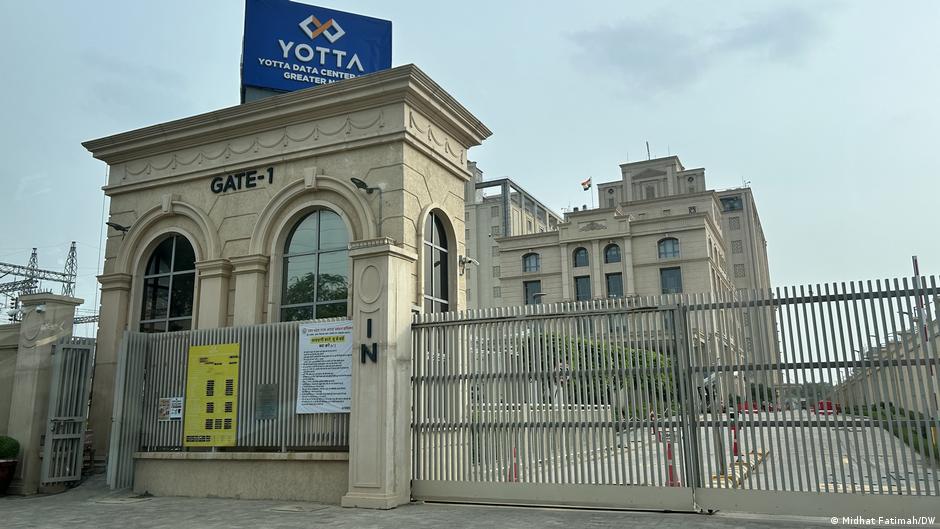
India’s rapid expansion of data centres, driven by surging demand for AI infrastructure, is exacerbating water scarcity in regions already under severe stress. More than half of the country’s facilities are located in water-stressed areas, with consumption estimated at 150 million tonnes in 2025 and projected to double by 2030. The boom has placed particular pressure on the National Capital Region, where local communities are struggling with unreliable supplies while new facilities receive guaranteed access.
In Ghaziabad, near New Delhi, residents of Khora have long battled water insecurity. Deepak Joshi, president of the Khora Residents' Association, noted that families often must dig borewells 1,000 to 1,200 feet deep to access groundwater. Many residents rely on shared connections costing up to 1,200 rupees monthly, while the cost of drilling a private borewell can reach half a million rupees. Joshi stated that despite a decade of advocacy, the situation has not improved, leading some families to relocate as water levels fluctuate unpredictably.
The strain on local resources is quantifiable. According to the Central Ground Water Board, groundwater extraction in Ghaziabad during the 2024-2025 period reached 272% of the recommended annual extractable share of 2,714 hectare meters. Ranjana Ray Chaudhuri of TERI University explained that rapid urbanization and the heat generated by data centre cooling systems have altered the local microclimate, potentially increasing air-conditioning demand and further driving up water use in surrounding areas.
Regulatory frameworks have failed to keep pace with this growth. Gayatri Naik from the National Law School of India University described the current approach as fragmented, noting that while companies must obtain no-objection certificates for groundwater extraction, they are not required to publish regular consumption figures. This contrasts sharply with European Union standards, which mandate that data centres with an IT power capacity of at least 500 kW report key sustainability data, including water usage, to a central database.
Despite the scarcity, the Uttar Pradesh 2026 Data Center Policy Draft promises an "uninterrupted 24x7" water supply to data centres. This policy stands in stark contrast to the fate of a 2025 project to reroute Ganges water to Khora, which was cancelled by authorities. While an alternative water project was reportedly in development, residents received no updates. Meanwhile, facilities such as the AdaniConnex data centre in Noida, a joint venture between the Adani Group and EdgeConneX, have not responded to inquiries regarding their specific water consumption.
Prateek Aggarwal of the Council on Energy, Environment and Water (CEEW) argued that the real strain comes from multiple facilities sharing a single aquifer rather than any single project. He called for mandatory annual reporting of energy, water, and carbon use, alongside phased efficiency standards. Aggarwal emphasised that decision-makers must consider water availability alongside land and electricity infrastructure before approving new sites to avoid further social and distributive injustice.
The scale of the sector’s growth is significant. India’s total data centre capacity has increased fourfold since 2020, rising from 375 megawatts to approximately 1,500 megawatts in 2025, according to the Ministry of Electronics and Information Technology. With 305 data centres currently operating across the country, as per the Data Center Map, the pressure on water resources is expected to intensify unless stricter regulatory oversight is implemented.