India’s Cockroach Party: From Viral Parody to Political Question
France 24 examines the rapid evolution of a social media joke into a grassroots force, as critics allege it serves as a vehicle for opposition interests.
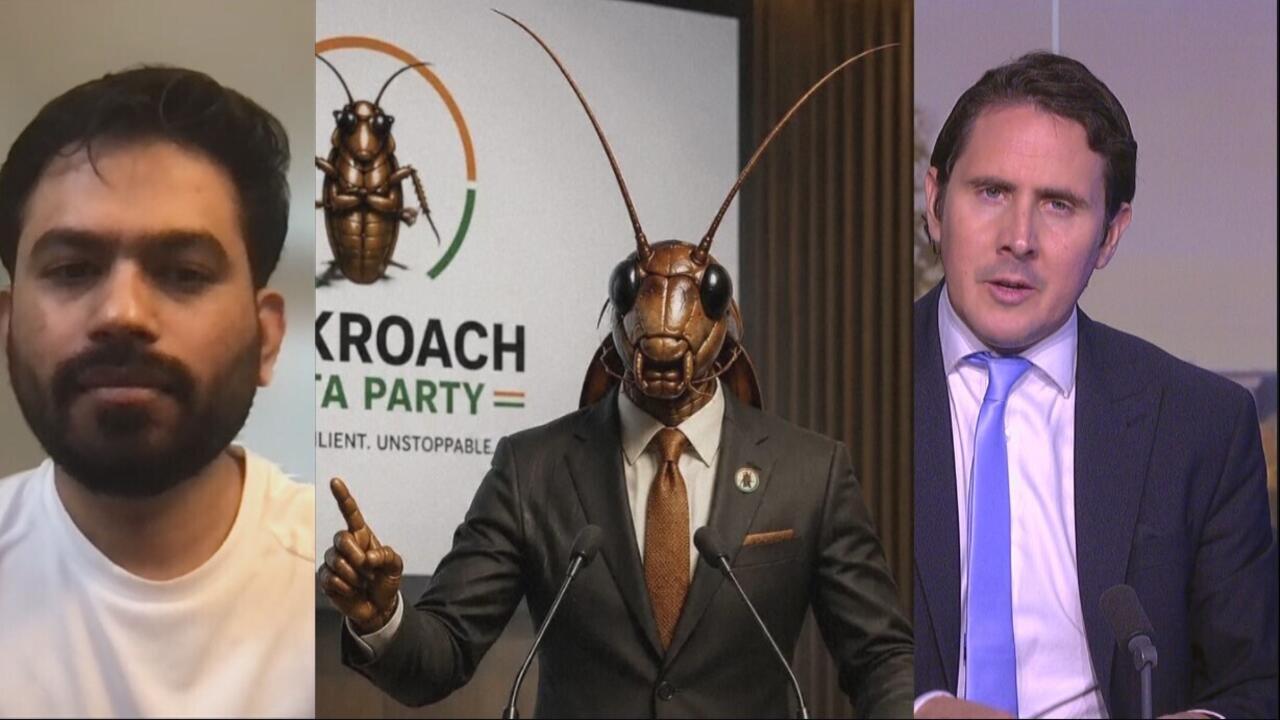
The Cockroach Party, established just ten days ago by public relations student Abhijeet Dipke, has rapidly transformed from an online satire into a significant digital political force. Originating as a parody of comments made by an Indian Supreme Court judge, the movement has garnered 23 million followers on social media platforms, marking an unusual convergence of internet culture and political mobilisation.
While the group initially presented itself as a humorous response to judicial rhetoric, its trajectory has shifted towards what appears to be a grassroots political movement. The speed at which the party has accumulated such a substantial following has drawn attention from international observers, including France 24, which recently interviewed Dipke regarding the direction and implications of the emerging entity.
The political reception of the Cockroach Party has been sharply divided. Critics have characterised the group as a Trojan horse for opposition interests, suggesting that the satirical facade may be concealing a more strategic political agenda. This interpretation frames the movement not merely as a cultural phenomenon, but as a potentially disruptive element within the existing political structure.
The origin of the controversy remains rooted in specific remarks made by a member of the Indian Supreme Court, although the precise nature of these comments has not been detailed in the available reporting. Dipke’s decision to utilise this judicial statement as the foundation for a parody has clearly resonated with a large segment of the digital population, facilitating the rapid growth of the party’s online presence.
As the Cockroach Party continues to expand its reach, the distinction between parody and political activism becomes increasingly blurred. The movement’s ability to sustain momentum beyond its initial viral phase remains to be seen, but its current influence underscores the growing potency of social media in shaping political discourse and mobilising public sentiment in India.