Indian student movement demands Education Minister’s resignation amid digital dissent
Young Indians are maintaining pressure on Education Minister Dharmendra Pradhan to step down, driven by the online satirical group the "Cockroach People's Party". Since its launch in May, the movement has garnered millions of social media followers and tens of thousands of sign-ups.
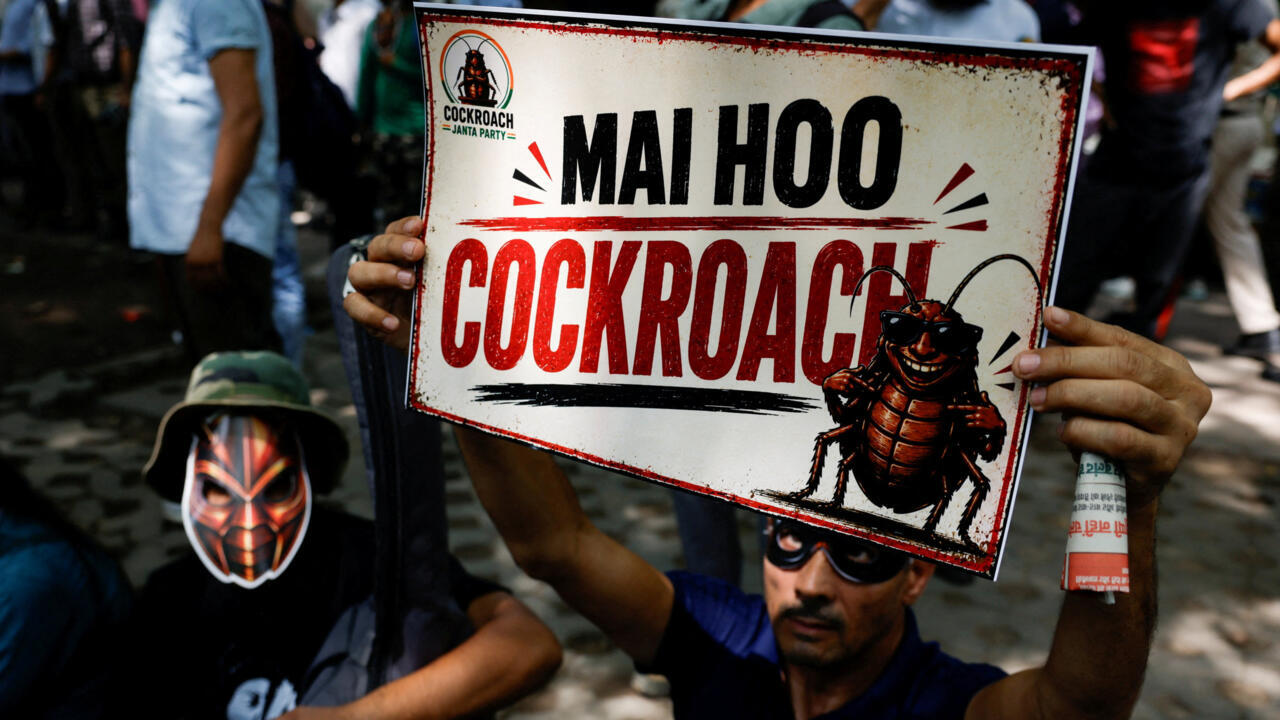
Young Indians are maintaining pressure on Education Minister Dharmendra Pradhan to step down, driven by the online satirical group the "Cockroach People's Party". Since its launch in May, the movement has garnered millions of social media followers and tens of thousands of sign-ups, marking a significant escalation in digital dissent against the Modi government’s social media dominance.
The emergence of the "Cockroach People's Party" as a political pressure group was a direct response to comments made by the Chief Justice of India, who likened youth to "cockroaches" and "parasites". The group has formalised the protest demands, calling for the resignation of Education Minister Dharmendra Pradhan, assurances that no criminal cases would be pursued against protesters, and compensation of approximately $1.
The movement represents a notable shift in how Indian Gen Z is engaging with political grievances. By reclaiming a derogatory term used by the highest judicial authority, the group has transformed online satire into a structured campaign for institutional accountability. This strategy has allowed them to bypass traditional media channels and amplify their message directly to a vast digital audience.
According to reports from France 24 International, the group's influence has grown steadily since its inception. The rapid accumulation of social media followers and sign-ups suggests a broad base of support among young Indians who feel alienated by official rhetoric. The formalisation of their demands indicates a move from spontaneous online outrage to a more organised political stance.
The demands for assurances against criminal prosecution highlight the concerns of participants regarding potential state retaliation. By seeking specific guarantees and compensation, the movement is attempting to establish a framework for safe political engagement. This approach underscores the tension between digital activism and legal accountability in the current political climate.
As the movement continues to grow, it poses a challenge to the government's narrative on youth engagement. The ability of the "Cockroach People's Party" to mobilise such a large following demonstrates the power of digital platforms in shaping political discourse. The ongoing pressure on Education Minister Pradhan remains a focal point of this broader debate on governance and civil liberties.
The situation reflects a growing trend of digital dissent in India, where young people are using online spaces to challenge established power structures. The "Cockroach People's Party" has become a symbol of this resistance, illustrating how satire can be weaponised to demand political change. The government's response to these demands will likely influence the future of digital activism in the country.