Indian authorities deplatform satirical student group over national security claims
The removal of the account and a Supreme Court petition against its founder mark a significant escalation in state responses to online dissent, drawing international scrutiny and criticism regarding press freedom.
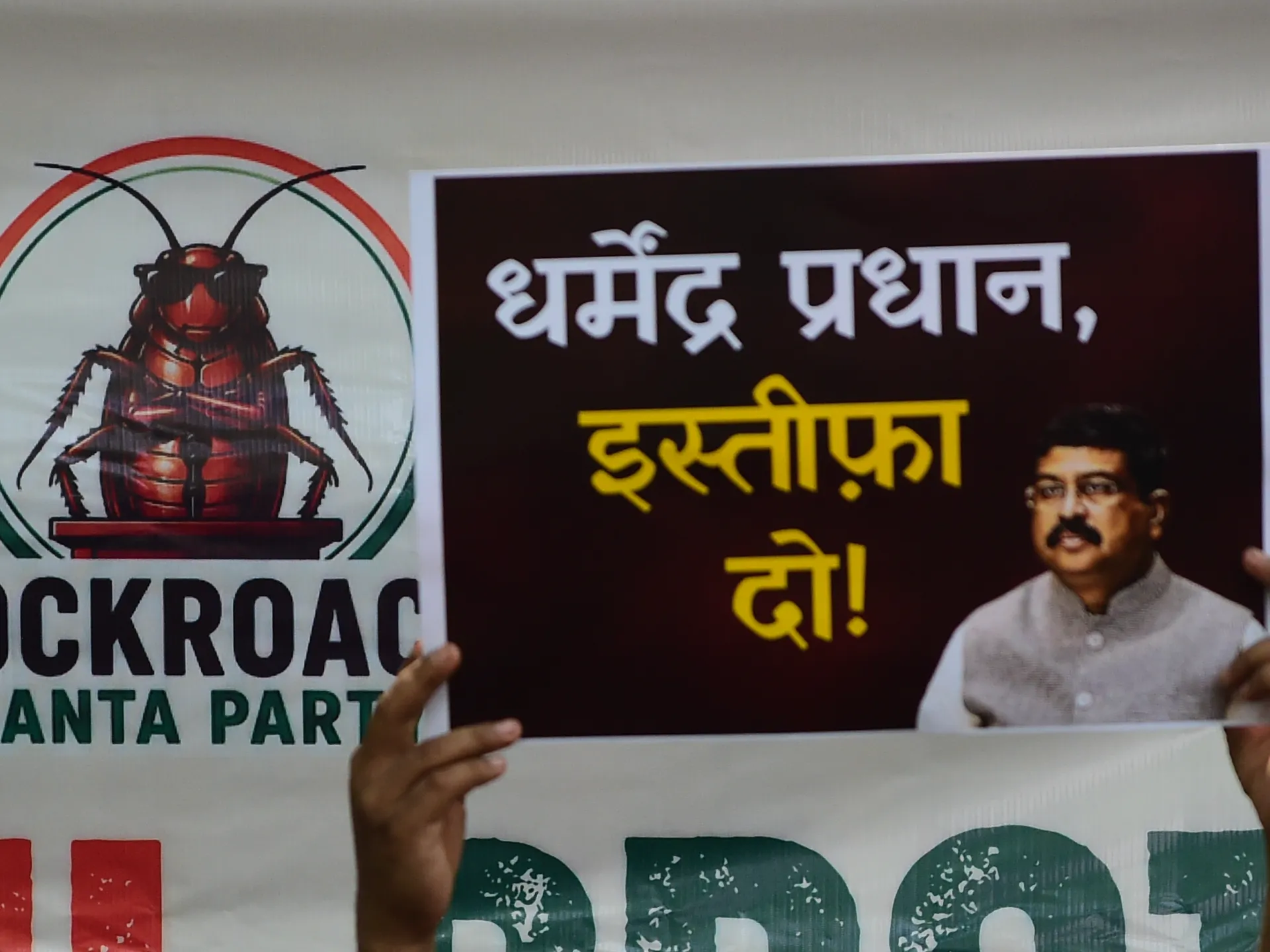
The Indian government has removed the social media presence and website of the 'Cockroach Janta Party' (CJP), a satirical student account, citing national security concerns and alleged foreign influence. The crackdown includes a petition filed in the Supreme Court against the group’s founder, Abhijeet Dipke, and accusations that the account’s activities threaten India’s sovereignty.
The CJP gained millions of followers on Instagram and X, formerly Twitter, after mocking comments made by Chief Justice Surya Kant, who compared unemployed youth drifting towards journalism and activism to cockroaches and parasites. The account’s viral popularity prompted a multiplatform pressure campaign by authorities, who framed the satire as a security risk rather than engaging with the underlying youth discontent.
State-sponsored television channel Doordarshan has characterised students expressing disappointment on social media as "Pakistanis", while ministers accused Dipke of operating under foreign influence. This response contrasts with recent governance failures, including exam paper leaks, a marking scandal, and 67 heatwave deaths in Telangana, issues that have contributed to widespread student distress and reported suicides.
The incident has drawn international attention, particularly following an encounter between Prime Minister Narendra Modi and Norwegian journalist Helle Lyng Svendsen in Norway. When Svendsen questioned Modi on why he did not take questions from the "freest press in the world", the Prime Minister avoided answering and walked away.
Subsequently, the Indian embassy in Oslo held a news conference where diplomat Sibi George provided a lengthy response described as containing boilerplate nationalistic talking points. Svendsen was later doxxed by Indian right-wing troll armies, leading to her deplatforming from Instagram. The event highlights the disparity between India’s ranking of 157 in the World Press Freedom Index and Norway’s number one position.
Critics argue that the government’s reaction exposes a profound insecurity, noting that India has been declared an "electoral autocracy" by transparency activists and opposition parties who have contested the last two election results. The administration’s focus on suppressing satire and dissent is viewed by observers as a reaction to a broader loss of hope and trust in the government’s ability to deliver material prosperity and effective governance.