India youth movement agrees to talks but insists protests will continue
Prime Minister Narendra Modi faces his most significant youth-led challenge since 2014 as mobile internet shutdowns are extended amid education sector unrest.
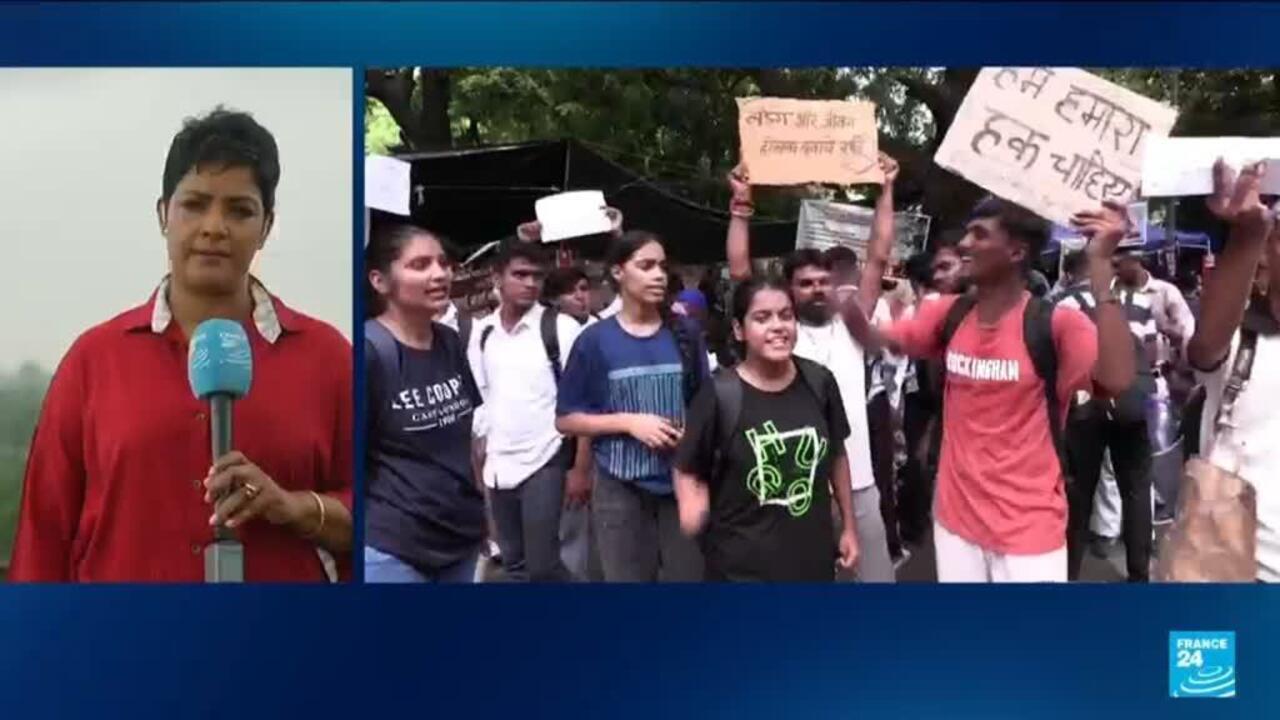
Leaders of India’s youth-led "Cockroach" movement have agreed to enter talks with government officials in New Delhi, marking a potential de-escalation in a standoff over the national education system. The decision comes as the country’s capital remains under a mobile internet shutdown, which authorities have extended as Prime Minister Narendra Modi confronts what is described as his most significant youth-led challenge since assuming office in 2014.
The scheduled meetings follow the conclusion of a 26-day hunger strike by prominent activist Sonam Wangchuk. While the movement’s leadership has committed to dialogue, they have explicitly stated that protests will continue, indicating that the agreement to talk does not signal an end to the broader unrest. The talks are intended to resolve the ongoing dispute regarding the structure and integrity of the country’s education framework.
The unrest has been fueled by growing public anger over exam irregularities and other scandals within the education sector. These issues have galvanised youth opposition, leading to the formation of the "Cockroach" movement as a vehicle for dissent against current education policies. The timing of the talks, occurring shortly after Wangchuk ended his prolonged fast, suggests a critical juncture in the government’s attempt to manage the crisis.
Concurrently, the extension of the mobile internet shutdown in New Delhi underscores the severity with which authorities are treating the situation. The digital restrictions coincide with the high-profile negotiations, highlighting the tension between the government’s desire to control information flow and the movement’s insistence on maintaining pressure through continued protest.
As the talks proceed, the outcome remains uncertain. The specific demands of the movement and the potential concessions from the government have not been detailed. However, the event represents a significant test of governance for the Modi administration, which must now navigate a coordinated youth-led opposition that has demonstrated both resilience and the capacity to mobilise widespread public sentiment.