India prepares for driest monsoon in decade as El Nino threatens food security
Officials warn that a very strong El Nino event could reduce monsoon rains to 90% of the long-period average, straining groundwater and rural livelihoods across the subcontinent.
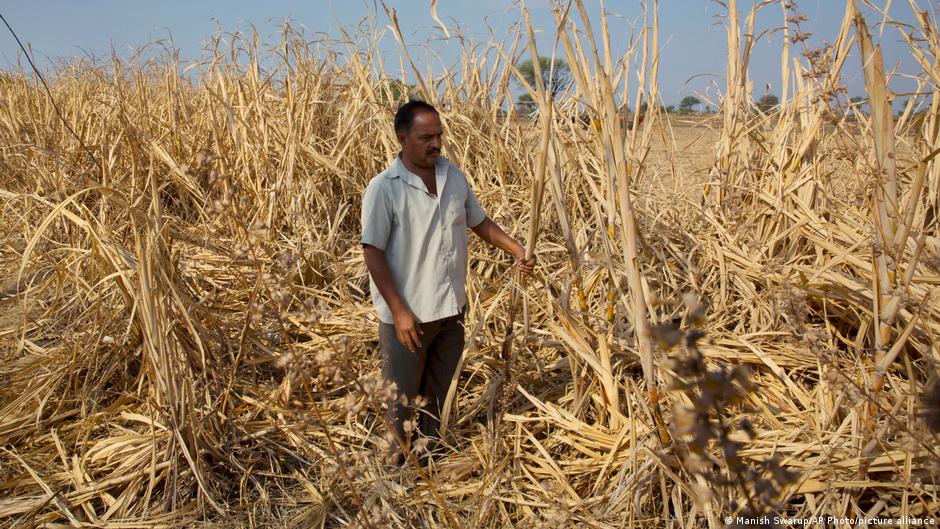
India is bracing for its driest monsoon season in over a decade as a very strong El Nino event threatens to significantly reduce rainfall across the country. The India Meteorological Department (IMD) forecasts that the current season could end at 90% of the long-period average, a figure that would mark the lowest rainfall levels in more than ten years. With rainfall currently tracking 43% below normal, the deficit poses immediate risks to the summer 'kharif' crop season, groundwater reserves, and water supplies for millions of residents.
In response to the deteriorating conditions, the Ministry of Agriculture and Farmers' Welfare has established an El Nino Monitoring Cell and a Crop Weather Watch Group to manage potential deficits. Agriculture Minister Shivraj Singh Chouhan confirmed that weather forecasts indicate conditions are likely to remain weak during July. The ministry has identified 111 districts with irrigation coverage of 25% or less as high-priority areas for intervention, instructing states to coordinate closely with the federal government to track sowing progress and crop conditions.
The implications of a dry summer extend well beyond immediate crop production. Nearly half of India's farmland remains rain-fed, making the monsoon critical for agricultural output, rural incomes, and food prices. The June to September rains are essential for replenishing reservoirs and groundwater supplies that millions depend on for drinking water. Weak rainfall and rising temperatures also threaten livestock, fisheries, and forests, impacting the 260 million people who work in farming, which accounts for over 45% of the country's workforce.
Experts warn that climate change is exacerbating the volatility of these weather patterns. Sunita Narain, director general of the Centre for Science and Environment, noted that the strong El Nino is unfolding as climate change makes India's rainfall more erratic, with more rain falling in fewer days. Akshay Deoras, a senior research scientist at the UK's National Centre for Atmospheric Science, added that longer dry spells interrupted by heavy rainfall can be particularly damaging for agriculture, placing significant stress on water resources and hydropower generation.
While current food stocks remain comfortable due to two consecutive years of strong harvests, experts caution that the crisis may shift to the winter crop season later in the year. Harish Damodaran, national rural affairs and agriculture editor at The Indian Express, stated that El Nino is expected to strengthen later in the year, potentially bringing warmer temperatures that could affect winter crops such as wheat, mustard, and chickpea. This shift poses a risk to yields, farm incomes, and food prices after September.