India marks third nation status with successful private orbital launch
Prime Minister Narendra Modi hails the achievement as a defining moment for national innovation, while government agencies target a $44 billion space economy by 2033.
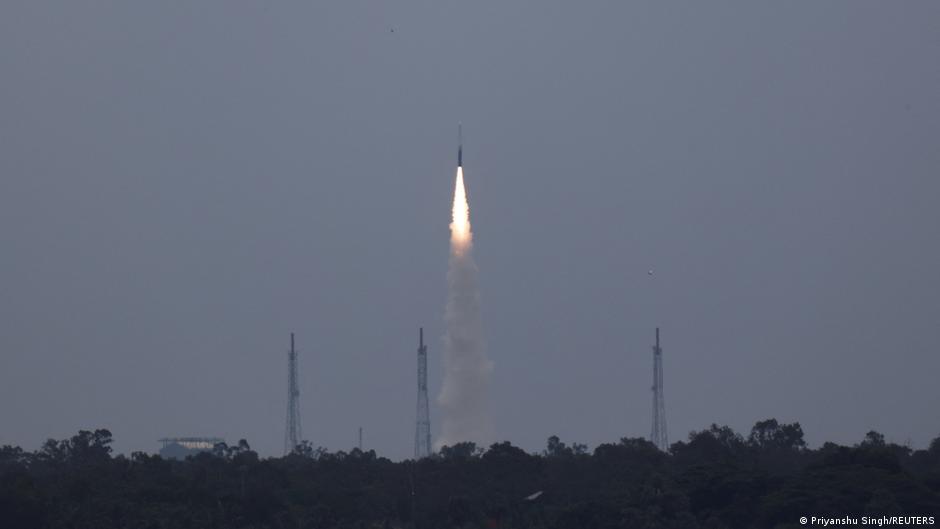
India has become the third nation, following the United States and China, to successfully launch a privately developed orbital rocket, a milestone that underscores the rapid institutionalisation of the country’s commercial space sector. The launch of the Vikram-1 rocket by Hyderabad-based Skyroot Aerospace from the Satish Dhawan Space Centre on Sriharikota island occurred at 0635 UTC on Saturday. Designated as Mission Aagaman, the event marks the first time a private entity has achieved orbital status in the South Asian nation.
Prime Minister Narendra Modi congratulated the achievement on social media, describing it as a defining moment that opens new frontiers and accelerates innovation. The government’s stance reflects a broader policy shift initiated in 2020, when India opened its space sector to private investment, allowing startups to develop rockets, satellites, and launch services previously reserved for the state-run Indian Space Research Organisation (ISRO). This regulatory change has spurred the creation of more than 400 space startups since the pandemic.
The 22-metre Vikram-1 rocket, capable of carrying payloads of up to 350 kilograms into low-Earth orbit, carried experimental hardware including a lab-grown diamond and robotic arms designed for space debris removal. Skyroot Aerospace confirmed via X that the mission was a grand success, stating that the flight tested propulsion, avionics, telemetry, and guidance systems. The company indicated that further test flights are planned before transitioning to routine commercial operations.
This development aligns with the strategic objectives of the Indian National Space Promotion and Authorisation Centre (IN-SPACe), which aims to quintuple India’s share of the global space economy from 2% to a valuation of $44 billion by 2033. Skyroot Aerospace has already attracted significant capital, becoming the first Indian space sector company to achieve a $1 billion valuation earlier this year, highlighting the sector’s growing appeal to global investors.
The success of Mission Aagaman places India in direct competition with other nations seeking to capture market share from dominant players like SpaceX. Governments across Europe and Asia, including Germany, France, and Japan, are similarly investing in private space capabilities. However, the shift towards commercialisation presents domestic challenges; ISRO has recently expressed concern regarding an exodus of scientists from the state agency to the private sector, signalling a complex transition in India’s scientific workforce.