India lodges protest with US after tanker attack kills three sailors
Diplomatic friction emerges following fatal incident, though reports suggest India seeks to manage tensions rather than escalate them with the United States.
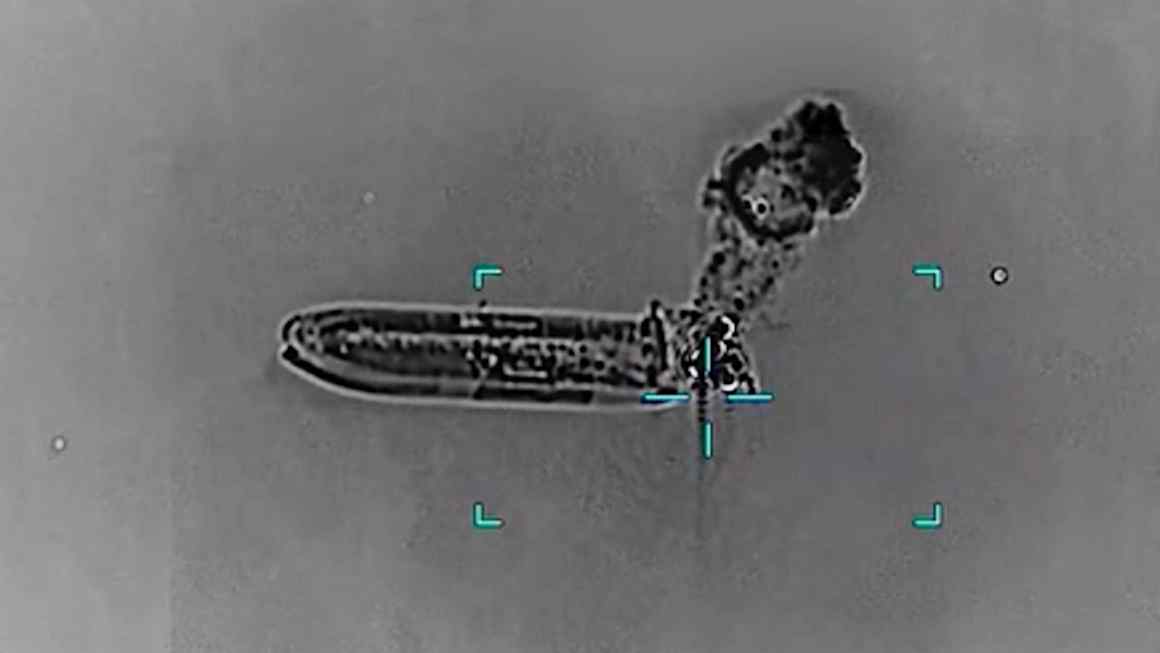
New Delhi has formally lodged a protest with Washington following an attack on a tanker in the Gulf region that resulted in the deaths of three sailors. The diplomatic move underscores the growing tension in the area, where maritime security remains a critical concern for global supply chains and regional stability.
According to the Financial Times, the Indian government has publicly called for de-escalation in the Gulf. This stance reflects New Delhi’s broader interest in maintaining calm in waters that are vital for energy transit and trade flows. The incident has prompted immediate diplomatic engagement between the two nations, highlighting the sensitivity of maritime incidents in geopolitically charged zones.
Despite the formal protest, reports indicate that New Delhi has little appetite for direct confrontation with the United States regarding the incident. This suggests a calculated approach by the Indian government, which appears keen to address the security breach while avoiding a broader geopolitical rift with its key strategic partner.
The attack on the tanker has added to the complex web of tensions in the Middle East. While the specific identity of the vessel, including its flag and ownership, has not been detailed in available reports, the loss of life has intensified scrutiny on maritime safety protocols in the region.
Analysts note that India’s response balances its need to protect its citizens and commercial interests with the desire to maintain a functional relationship with Washington. The emphasis on de-escalation signals an intent to resolve the immediate crisis through diplomatic channels rather than military or aggressive political posturing.
As the situation develops, markets and policymakers will be watching closely to see how New Delhi and Washington navigate the fallout. The incident serves as a reminder of the fragility of maritime security in the Gulf and the potential for localized events to impact broader international relations.