IFRC warns recovery in Lebanon requires more than ceasefire
Christopher Rassi outlines the complex path to rebuilding dignity and public services in southern Lebanon, arguing that physical return is only the first step in a long-term recovery process.
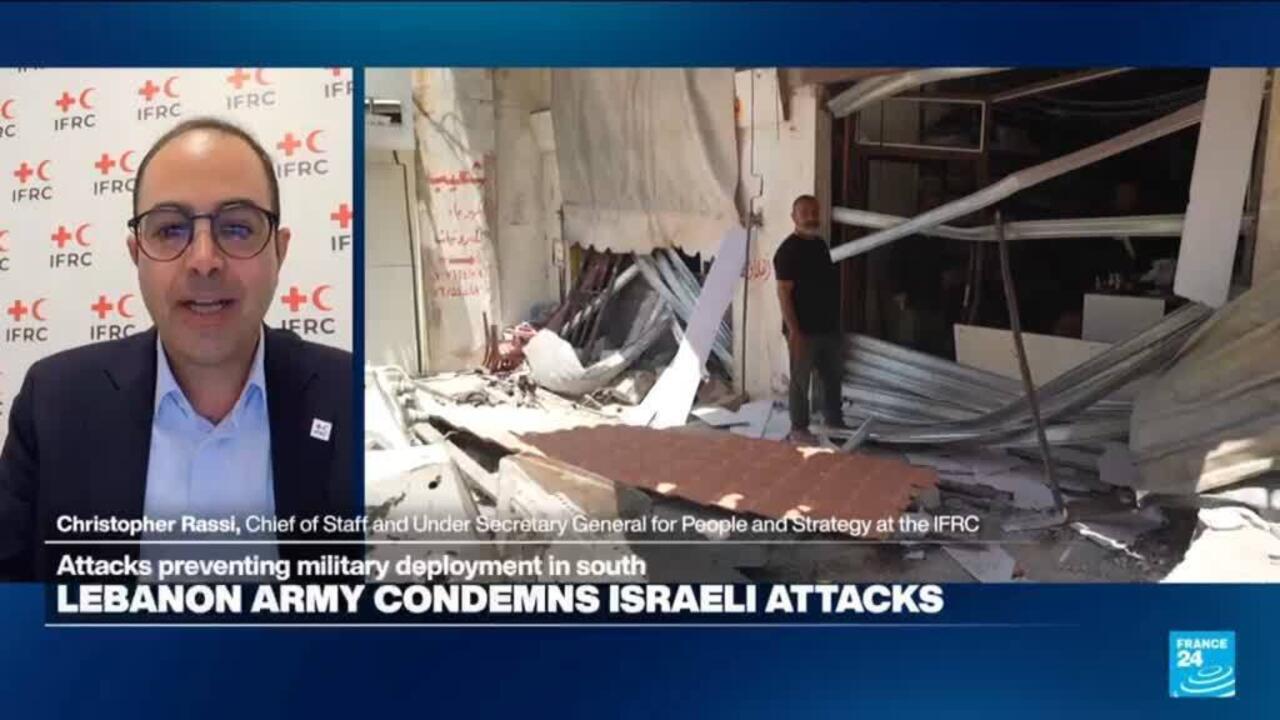
The International Federation of Red Cross and Red Crescent Societies (IFRC) has issued a stark assessment of the humanitarian situation in southern Lebanon, arguing that the path to stability extends far beyond the immediate cessation of hostilities. Christopher Rassi, the IFRC Chief of Staff and Under Secretary General for People and Strategy, provided an on-the-ground perspective during a France 24 International segment broadcast on 27 July 2026, highlighting the structural and psychological barriers to recovery.
Rassi described the current environment as presenting a "compelling paradox." While the establishment of ceasefires and pilot return zones may appear to offer immediate relief, he argued that true recovery cannot be measured solely by the physical return of displaced persons to their homes. Instead, the organisation emphasises that sustainable stability requires a comprehensive approach that includes rebuilding dignity, restoring essential public services, and addressing the invisible psychological wounds inflicted by the conflict.
The IFRC leadership has stressed that resilience in the region relies on factors that are often overlooked in short-term political negotiations. According to Rassi, maintaining long-term international solidarity is critical, as is the protection of humanitarian workers who operate in volatile environments. He noted that community trust is just as vital as immediate material relief, suggesting that governance failures and social fragmentation pose significant risks to any future peacebuilding efforts.
Jean-Emile Jammine, who hosted the discussion, framed the interview as a rare opportunity to access direct insights from the affected region. The segment aimed to reveal the harrowing realities faced by those displaced by the ongoing Israel-Lebanon conflict, moving beyond statistical data to focus on the human cost of the crisis. The dialogue underscored the IFRC’s position that without a sustained commitment from the international community, the region risks falling back into instability even after active combat subsides.
Rassi’s comments reflect a broader institutional concern regarding the longevity of humanitarian aid. The IFRC’s focus on psychological trauma and public service restoration indicates a shift in strategy from emergency response to long-term institutional support. This approach acknowledges that the displacement crisis has eroded the foundational elements of community life, requiring a recovery model that prioritises social cohesion and institutional trust alongside physical reconstruction.
The report comes at a time when the international community is grappling with the complexities of mediating the conflict. By highlighting the gap between political agreements and ground-level realities, the IFRC is calling for a more nuanced policy response. The organisation’s emphasis on the protection of aid workers also points to the increasing dangers faced by humanitarian personnel in the region, a factor that could complicate future relief operations if security guarantees are not firmly established.
While the specific details of the pilot return zones remain undefined in the current reporting, the IFRC’s stance is clear: political mechanisms alone are insufficient to resolve the crisis. The federation is urging policymakers to recognise that rebuilding the social fabric of southern Lebanon is a protracted process that demands consistent diplomatic and financial engagement. Without such sustained effort, the hope of returning home may remain an unfulfilled aspiration for many displaced Lebanese families.