IAEA chief signals end of 2015 Iran nuclear framework
The Director General of the International Atomic Energy Agency has stated that the 2015 Joint Comprehensive Plan of Action is no longer a workable model, indicating that any subsequent deal will differ significantly from the original structure.
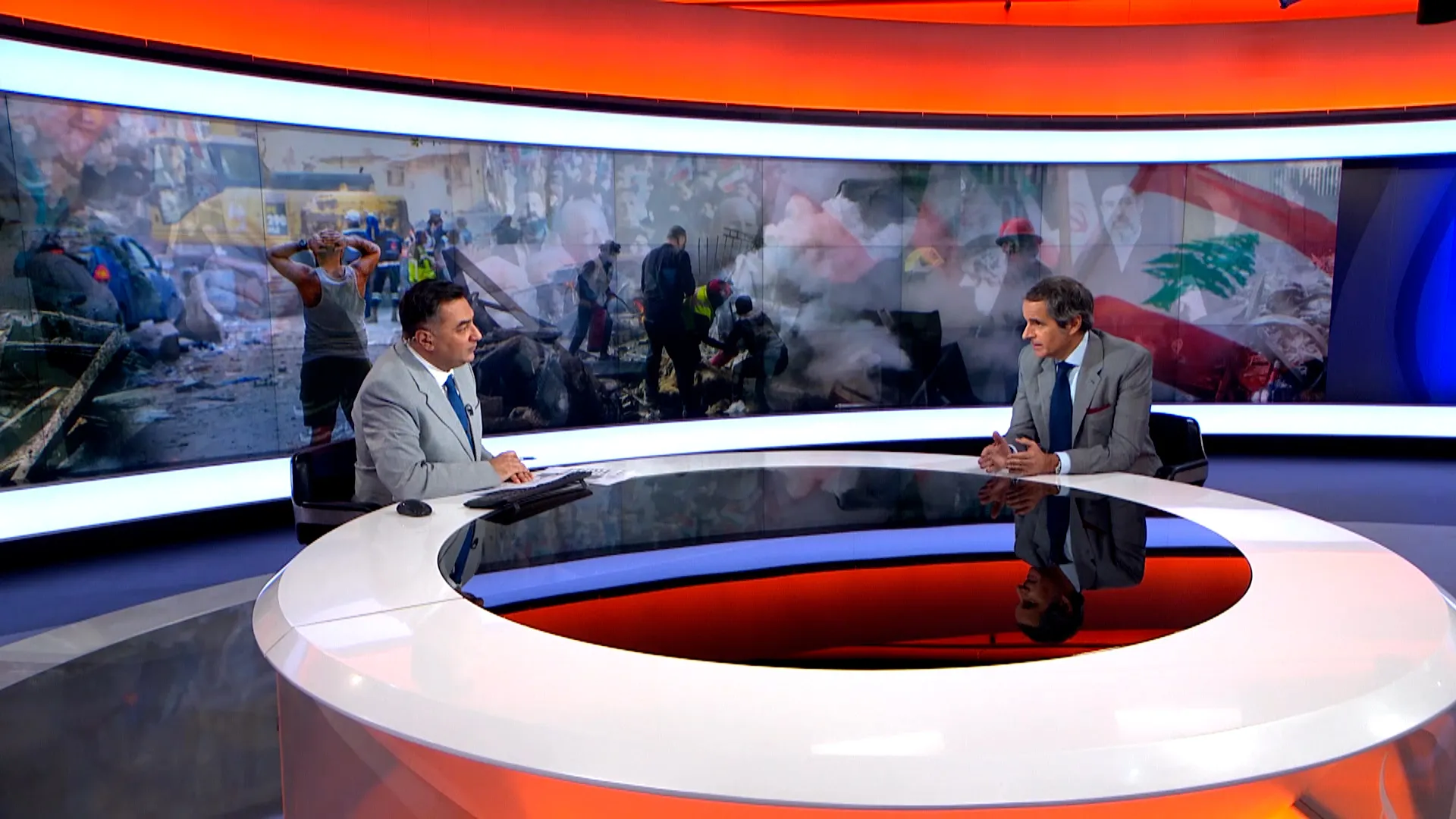
Rafael Grossi, the Director General of the International Atomic Energy Agency, has declared that the 2015 Iran nuclear agreement is no longer a viable framework for future diplomatic negotiations. The statement marks a definitive shift in the position of the UN’s nuclear watchdog regarding the feasibility of replicating the diplomatic structure established over a decade ago.
Grossi indicated that any new agreement reached with Iran will look very different from the original model. The 2015 Joint Comprehensive Plan of Action, commonly known as the JCPOA, was designed to limit Iran’s nuclear programme in exchange for sanctions relief. It was negotiated between Iran and the P5+1 nations, comprising China, France, Germany, Russia, the UK, and the US.
The viability of that original framework has been significantly undermined since the United States withdrew from the deal in 2018. Following the withdrawal, relations deteriorated and Iran increased its nuclear enrichment activities, complicating the landscape for subsequent diplomatic efforts. The IAEA remains the international body responsible for verifying compliance with nuclear non-proliferation treaties.
While Grossi’s assessment confirms that the 2015 model is no longer workable, the source material does not detail the specific elements he proposes for a revised agreement. It remains unclear what specific terms or structures would constitute a new framework, or the timeline for such negotiations to commence.
The political will of key stakeholders, including Iran and Western powers, to engage in a revised deal has not been specified. Grossi’s comments serve primarily as an institutional assessment of the current diplomatic landscape rather than a blueprint for immediate action.