IAEA and Western powers demand Iran restore nuclear transparency amid broken dialogue
The International Atomic Energy Agency and major Western nations are intensifying diplomatic pressure on Iran to provide precise accountancy of its nuclear materials and grant full access to damaged sites, following a period of military strikes and halted inspections.

The International Atomic Energy Agency (IAEA) and Western nations have renewed calls for Iran to resume cooperation on nuclear inspections, describing the current diplomatic landscape as fraught with complexity. IAEA Director General Rafael Grossi opened the quarterly Board of Governors meeting by urging Tehran to "re-engage" constructively to facilitate the implementation of safeguards, noting that communication channels with Iranian leaders are currently broken.
The United States, alongside the United Kingdom, France, and Germany, has formally requested that the Board pass a resolution demanding Iran provide precise information on the whereabouts of its enriched uranium stores and grant the IAEA "all access" to inspect and verify sites. The draft resolution requires Tehran to clarify the status of nuclear material accountancy and safeguarded facilities, particularly those damaged or destroyed during recent military operations.
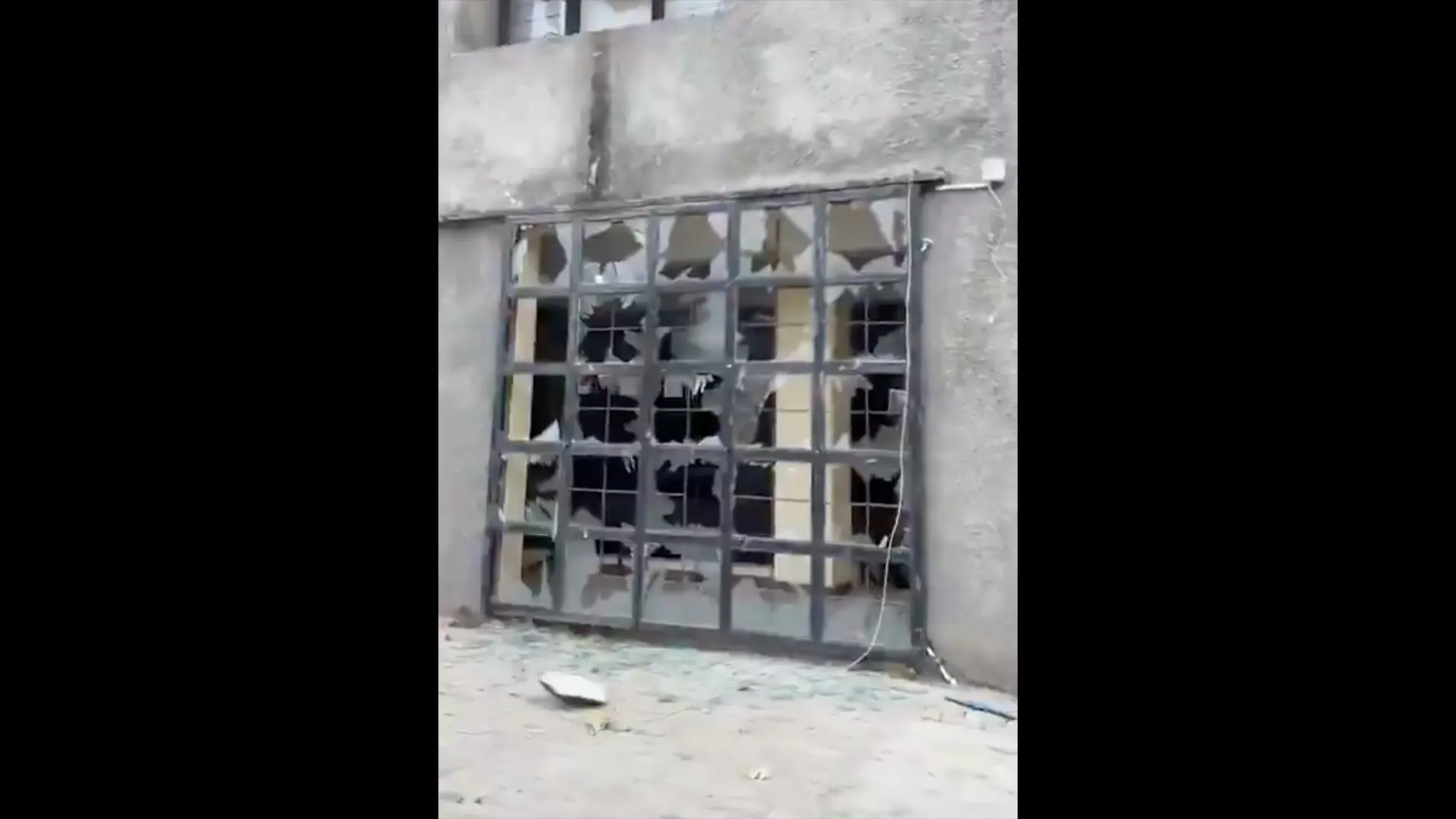
This diplomatic push follows US and Israeli strikes on Iranian nuclear infrastructure last year, including operations targeting sites at Fordo, Natanz, and Isfahan. These attacks halted IAEA inspections at most locations due to active shelling and damaged infrastructure, leaving the condition of the facilities and the fate of stored nuclear material unknown. While some enrichment facilities were destroyed, much of the highly enriched uranium is believed to have survived the strikes.
Iran’s mission to the IAEA responded to the Western demands with a statement on X, warning that "coercion and confrontation do not lead to cooperation" but instead undermine diplomatic solutions. The statement accused the Board of being instrumentalised to relieve those responsible for the attacks of their accountability, while Tehran continues to deny any nuclear weapons ambitions, insisting its programme is purely civilian.
Grossi acknowledged that while active conflict prevents physical inspections, dialogue remains essential for oversight. He lamented the lack of direct communication with Iranian officials but emphasised the importance of maintaining channels for future engagement. A similar resolution passed in November is expected to pass again, though analysts suggest it may complicate ongoing Pakistani-led efforts to negotiate a broader deal between Washington and Tehran.