Hungary’s Tisza Party Nominates Former Supreme Court Chief Baka for Presidency
Prime Minister Peter Magyar describes the selection of Andras Baka as a pivotal step in dismantling the influence of former leader Viktor Orban, despite opposition claims of authoritarian tactics.
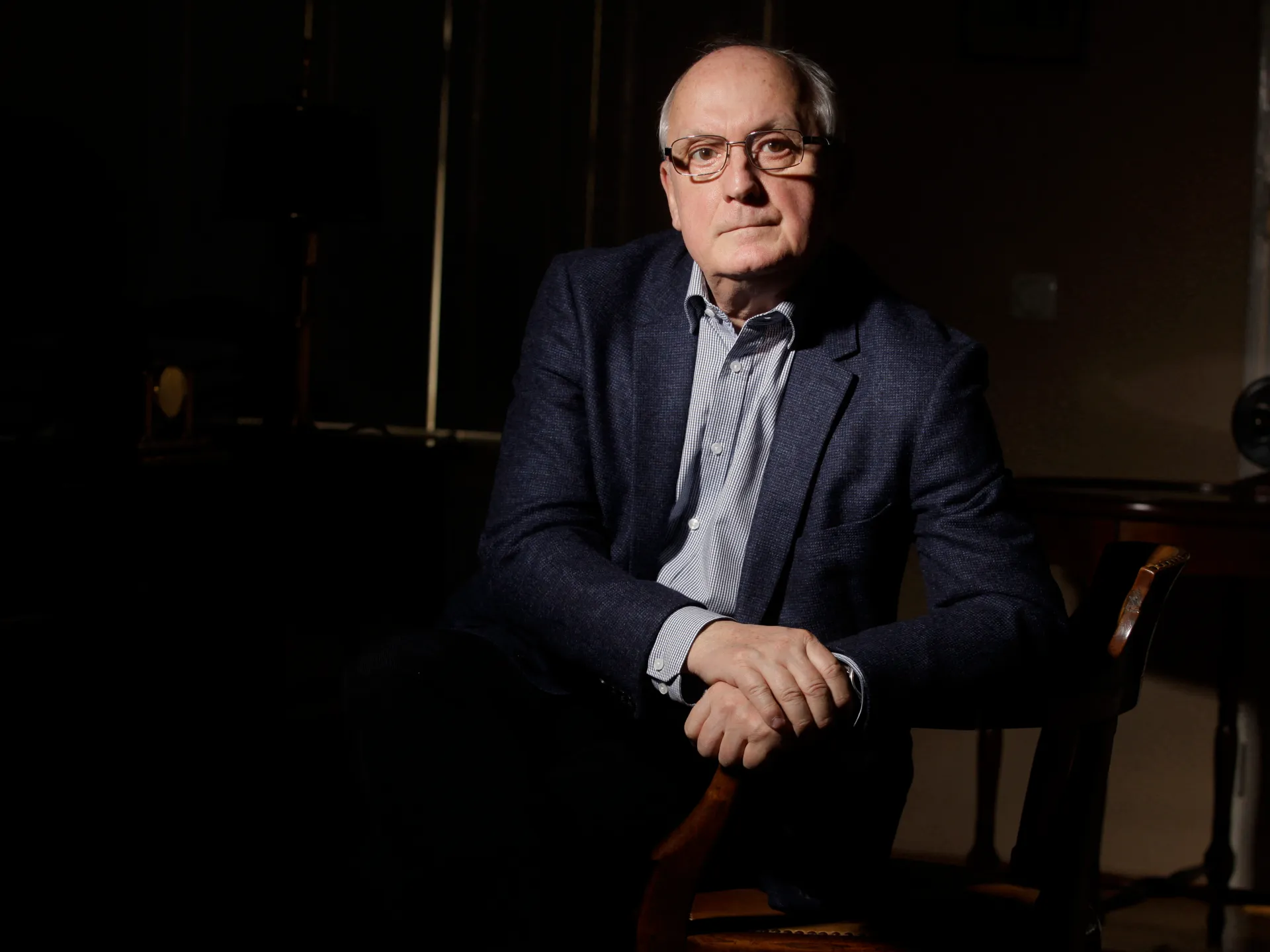
Hungary’s governing Tisza party has nominated Andras Baka, a former chief of the Supreme Court who was removed from office in 2012, as its candidate for the presidency. Prime Minister Peter Magyar announced the nomination on Saturday, framing the decision as a critical measure in dismantling the institutional influence of former leader Viktor Orban following the party’s landslide election victory in April.
The selection was finalised through a secret ballot within the Tisza parliamentary group. Magyar described the move on Facebook as “one of its most important decisions so far,” emphasising the party’s intent to establish a new constitutional framework. Tisza lawmakers stated that Baka, 73, had consistently attached paramount importance to the separation of powers and judicial independence, viewing his background as a significant asset for the country’s transition.
Baka is expected to be elected by parliament on Tuesday, where Tisza holds a constitutional majority. The appointment follows a constitutional amendment passed earlier this month, which was used to remove Orban-era President Tamas Sulyok from office. The presidency itself carries mostly ceremonial powers, with limited authority to veto or refer legislation, but the nomination is widely viewed as a symbolic assertion of Hungary’s new political order.
The opposition Fidesz party has announced it will boycott the parliamentary vote, accusing Tisza of employing authoritarian tactics. Tisza has denied these allegations. The boycott highlights the deepening political divide as the governing coalition seeks to consolidate its control over state institutions after ending Fidesz’s 16-year rule.
Baka’s judicial career includes two terms as a judge on the European Court of Human Rights in Strasbourg. He was elected head of Hungary’s Supreme Court in 2009 but was removed in 2012 after publicly criticising government reforms that he argued threatened judicial independence. The European Court later ruled that his dismissal violated his rights to a fair trial and freedom of expression, a judgement the Council of Europe noted Hungary had failed to fully implement.