Hungary’s Parliament Elects Former Supreme Court Chief Andras Baka as President
The National Assembly voted 140 to six to appoint the former judge, who replaces Tamas Sulyok in a move that underscores the ruling coalition’s campaign to dismantle Orban-era institutional structures.
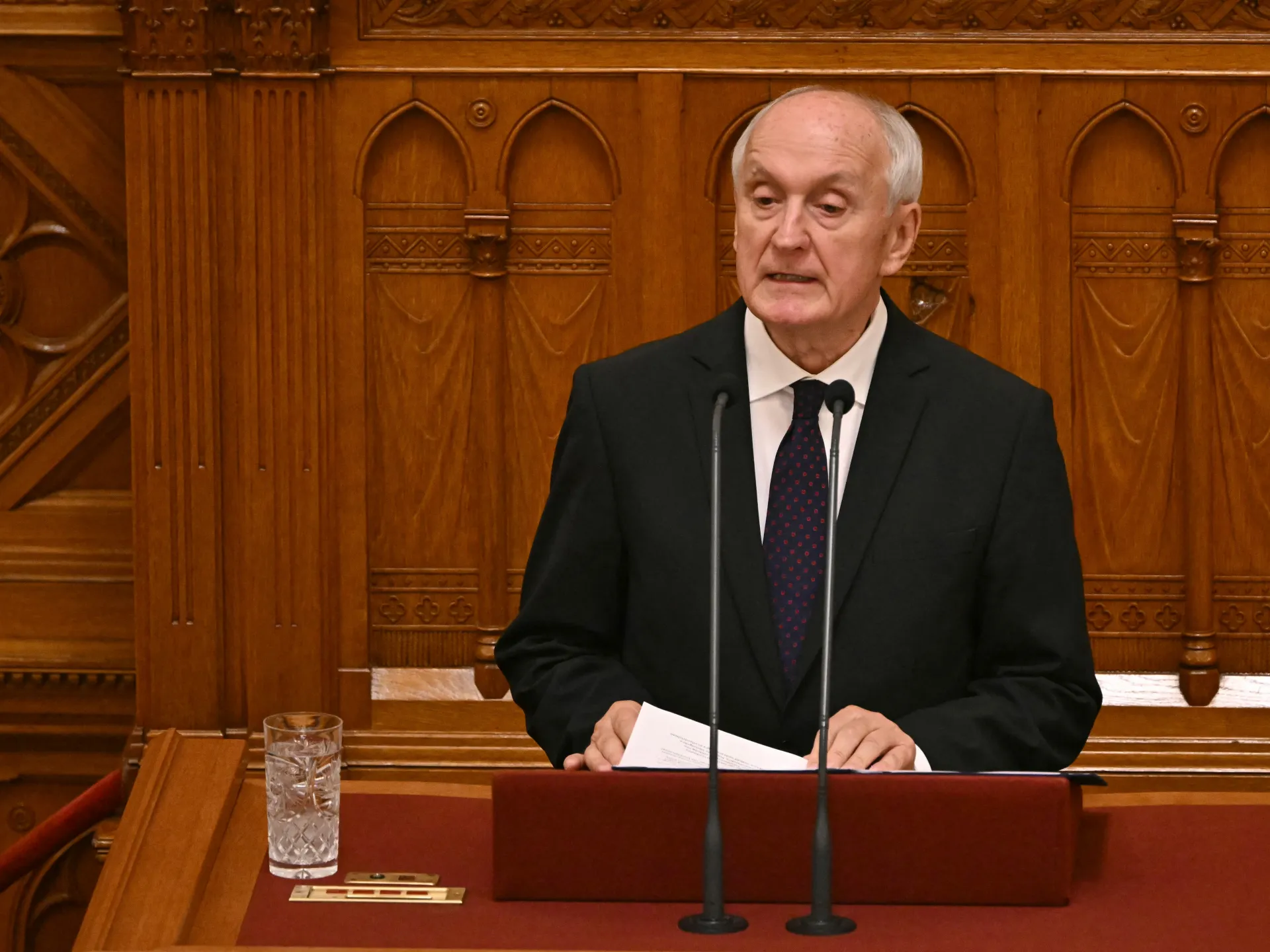
Hungary’s National Assembly has elected Andras Baka, a former chief of the Supreme Court and vocal critic of former Prime Minister Viktor Orban, as the country’s next president. The confirmation followed a secret ballot on Tuesday, with 140 votes in favour, six opposing, and no abstentions recorded.
Baka’s appointment was secured following his nomination on Saturday by the Tisza party, which holds a constitutional majority of more than two-thirds in parliament. Lawmakers from the ruling coalition described Baka’s judicial experience as a significant asset as they proceed with laying the foundations for Hungary’s new constitutional order.
The election marks a definitive shift in the country’s executive leadership, as Baka replaces Tamas Sulyok, an appointee of the previous administration. Sulyok was removed from the presidency weeks ago via a constitutional amendment, part of a broader legislative campaign by Tisza to dismantle the political power structures established by Orban during his sixteen years in office.
The opposition Fidesz party, which dominated Hungarian politics until its landslide electoral defeat in April 2026, boycotted the vote. Fidesz members accused Tisza of employing authoritarian tactics to reshape the nation’s political system, allegations the ruling party denies.
Baka, 73, brings extensive international judicial experience to the role, having served two terms as a judge on the European Court of Human Rights in Strasbourg. He was elected head of Hungary’s Supreme Court in 2009 but was removed from the position in 2011 after publicly criticising government reforms that he argued threatened judicial independence.
While the Hungarian presidency carries mostly ceremonial powers with limited authority to veto or refer legislation, Baka’s appointment is viewed by many observers as a symbolic repudiation of the Orban legacy. He is scheduled to assume office on 19 August.
Tisza has utilised its parliamentary majority to implement significant structural changes, including media reform, the establishment of an anticorruption task force, and the imposition of an eight-year term limit on the prime ministership. These measures effectively bar Orban from returning to the office.