Hungary’s Magyar begins Warsaw visit to restore EU ties and recover frozen funds
Peter Magyar meets Donald Tusk and Karol Nawrocki to discuss Ukraine aid, migration, and the future of the Visegrad Group.
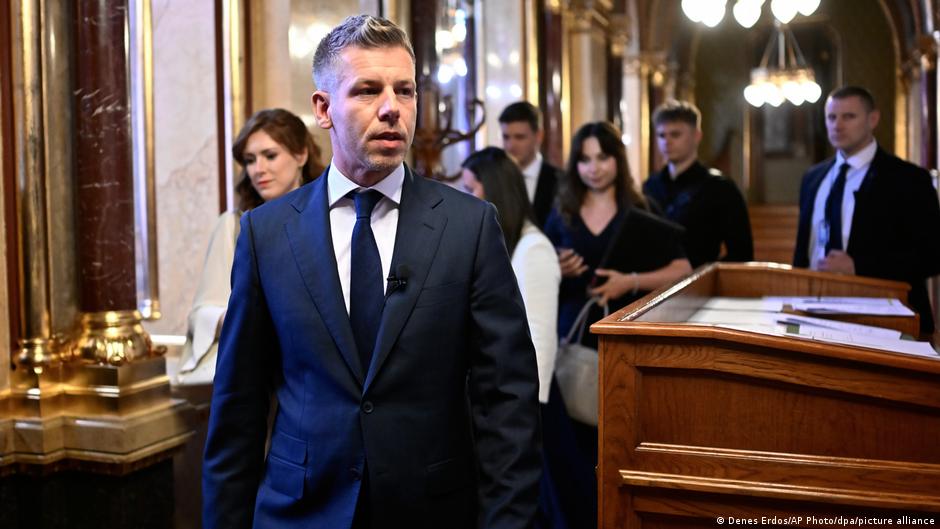
Hungarian Prime Minister Peter Magyar has commenced his first state visit to Warsaw, arriving in the Polish capital ten days after his inauguration on 9 May 2026. The trip marks a decisive pivot for Budapest, as Magyar seeks to repair bilateral relations that deteriorated significantly under the previous administration of Viktor Orban. Magyar, whose Tisza Party secured a parliamentary victory on 12 April 2026, is positioning himself as a pro-European partner in an effort to restore trust and unlock frozen European Union funding.
During the visit, which includes stops in Krakow and Gdansk alongside seven ministers, Magyar met with Polish Prime Minister Donald Tusk and President Karol Nawrocki. Polish State Secretary Marcin Bosacki described the visit as a "symbolic" gesture, emphasising that the new Hungarian government is demonstrating through this powerful diplomatic move that friendship with Poland remains a priority. The meeting aims to address the deep rifts caused by Orban’s pro-Russian stance and anti-European policies, which led to a cooling of ties following Tusk’s election in late 2023.
A central objective of the diplomatic engagement is the restoration of EU funds. Magyar is expected to draw lessons from Tusk’s success in securing €137 billion ($159 billion) in funding following Poland’s election victory. Polish officials anticipate that Magyar will align with Warsaw on critical issues, including military aid to Ukraine. The previous Hungarian government had blocked an EU payment of nearly two billion Polish zloty for equipment supplied to Ukraine, a decision Bosacki condemned as "shameful".
Both leaders are also expected to find common ground on migration restrictions and climate policy, despite Tusk’s political shift to the right. The visit further explores the potential revival of the Visegrad Group, a regional cooperation framework that was effectively paralysed by disputes between Orban and Tusk. Slovak Prime Minister Robert Fico recently highlighted the possibility of renewal by posting a joint photo with Tusk and Czech Prime Minister Andrej Babis, captioning it as an invitation for Hungary to rejoin the group.
However, analysts warn that reviving the Visegrad Group requires more than diplomatic goodwill. Martin Vokalek of the Europeum think tank noted that Poland now views itself as a regional power seeking closer ties with Germany and France. Meanwhile, Magyar holds a parliamentary majority that allows for unimpeded governance, contrasting with Tusk’s reliance on a coalition that has blocked liberal reforms on abortion and same-sex partnerships. Magyar’s primary domestic mandate is to crack down on corruption within the former Fidesz elite, a promise that Polish media outlets suggest must be delivered swiftly to avoid voter frustration.