Hungarian Prime Minister Viktor Orban resigns from parliament as Fidesz faces leadership vacuum
The departure marks the first time Orban has been voted out of office, yet his refusal to accept responsibility for alleged regime abuses leaves the future of Hungary's political system in flux.
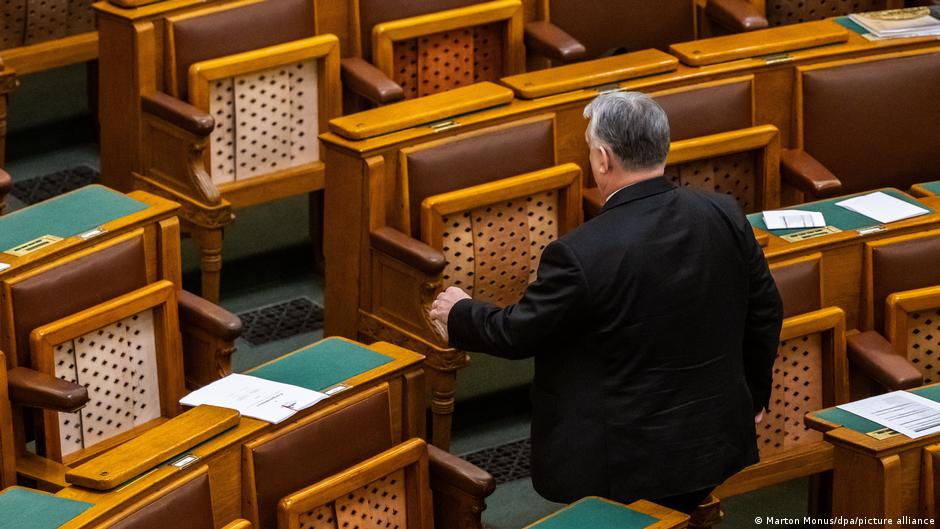
Outgoing Hungarian Prime Minister Viktor Orban has resigned from his parliamentary seat following the April 12 election defeat, marking the first instance in his career where he has been voted out of office. While this move signals a significant political shift, Orban has not yet announced his resignation as leader of the Fidesz party, stating he remains ready for the community and is actively involved in the reorganisation of the national side.
The resignation from parliament appears to be a strategic decision rather than a total withdrawal from public life. In a recent statement, Orban clarified that he is no longer needed in the legislature but is essential for the restructuring of the national apparatus. This stance reflects a complex dilemma facing the Fidesz party: analysts suggest the organisation would likely fall apart without Orban, yet retaining him risks cementing its reputation as corrupt and autocratic among the broader electorate.
In his only in-depth interview since the election results were announced, Orban admitted regret regarding the incomplete expansion of the Paks nuclear power plant, a project undertaken with Russian assistance. However, he refused to take responsibility for alleged regime abuses or show public remorse for the systemic changes implemented during his 16-year tenure. This refusal to accept accountability stands in stark contrast to the public desire for a reckoning and systemic change that many Hungarians are currently expressing.
The incoming Hungarian Prime Minister, Peter Magyar, has accused associates of the outgoing regime of transferring billions to foreign accounts to evade anti-corruption investigations. Although no concrete evidence has been presented to substantiate these claims, Hungarian media outlets have reported on numerous financial transactions involving oligarchs linked to Orban's system, including childhood friend Lorinc Meszaros. These allegations highlight the ongoing tension between the outgoing leadership and the new administration regarding asset recovery and financial transparency.
Speculation regarding Orban's potential relocation to the United States persists, though analysts deem this unlikely. Such a move would reportedly deal a fatal blow to his party and political community while severely damaging his family dynasty, which includes wealthy business interests in mining and construction. His eldest daughter and her husband emigrated to the US last year, adding another layer of complexity to the family's political and financial standing.
In the absence of a clear successor, the Fidesz party plans to hold a new leadership conference in June to determine its future direction. Meanwhile, some loyalists have turned to religious explanations for the defeat, with Speaker Laszlo Kover describing the result as a temporary victory for satanic forces. This reliance on supernatural explanations suggests that few within the party have yet accepted corruption and abuse of power as the primary drivers of their electoral loss.