Humanoid robots move from sports records to military testing
As humanoid robots set new benchmarks in athletics, defence sectors are increasingly developing and testing the technology for potential military applications.
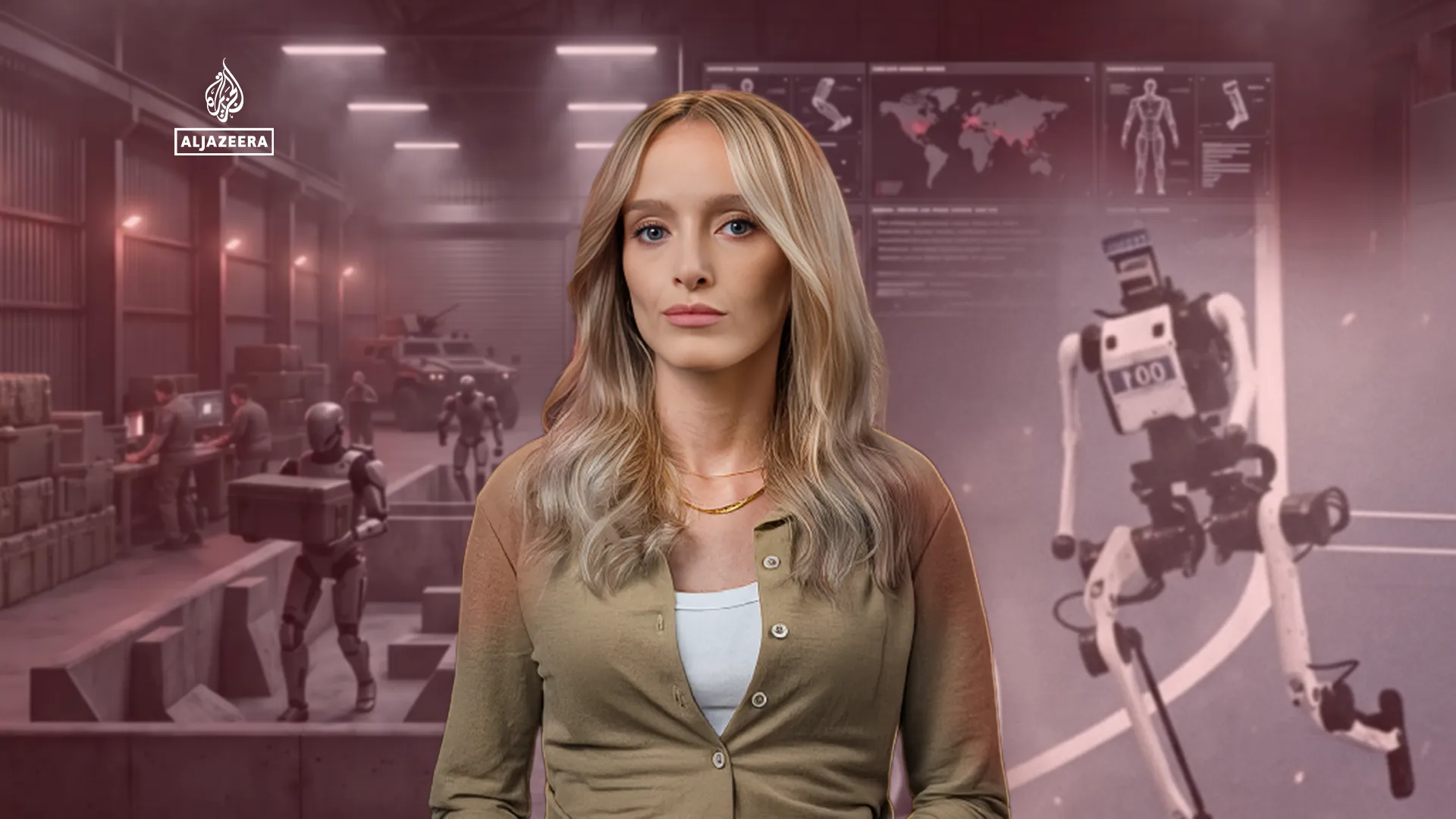
The rapid advancement of humanoid robotics is drawing attention beyond the sports arena, where the machines are currently breaking world records. According to Al Jazeera Global News, this technological momentum is being mirrored in the defence sector, where humanoid robots are increasingly being developed and tested for military use.
The shift highlights a dual trajectory for the technology. While public attention has focused on the robots' athletic capabilities and record-breaking performances, institutional interest is growing in their potential utility for warfare. The reporting suggests that the same engineering breakthroughs enabling success in sports are now being evaluated for their strategic value in military contexts.
However, the current status of these robots in defence remains in the developmental phase. The source material specifies that the machines are being developed and tested, rather than deployed in active combat. This distinction is crucial for understanding the timeline of integration, indicating that while the technology is maturing, it has not yet reached the stage of operational deployment on the battlefield.
The concurrent success in sports and the push for military application raise questions about the versatility of humanoid platforms. The ability to perform complex physical tasks in a competitive sporting environment suggests a level of dexterity and endurance that defence planners may find attractive for various military roles. Yet, the specific applications remain under development.
Al Jazeera’s report frames the issue as a forward-looking inquiry into whether these robots represent the future of warfare. The increasing frequency of testing and development activities signals a growing institutional commitment to exploring the technology, even as details regarding specific manufacturers or testing locations remain limited in the current reporting.
For policymakers and observers, the trend underscores the rapid pace at which commercial and sporting technologies can transition into strategic assets. The focus remains on governance and institutional adoption, as the military sector moves from theoretical interest to practical testing of humanoid capabilities.