Humanitarian agencies race against time as Ebola spreads in eastern DRC
Julie Drouet of Action Against Hunger warns that structural vulnerabilities in the Democratic Republic of Congo are making the current outbreak uniquely perilous for both residents and responders.
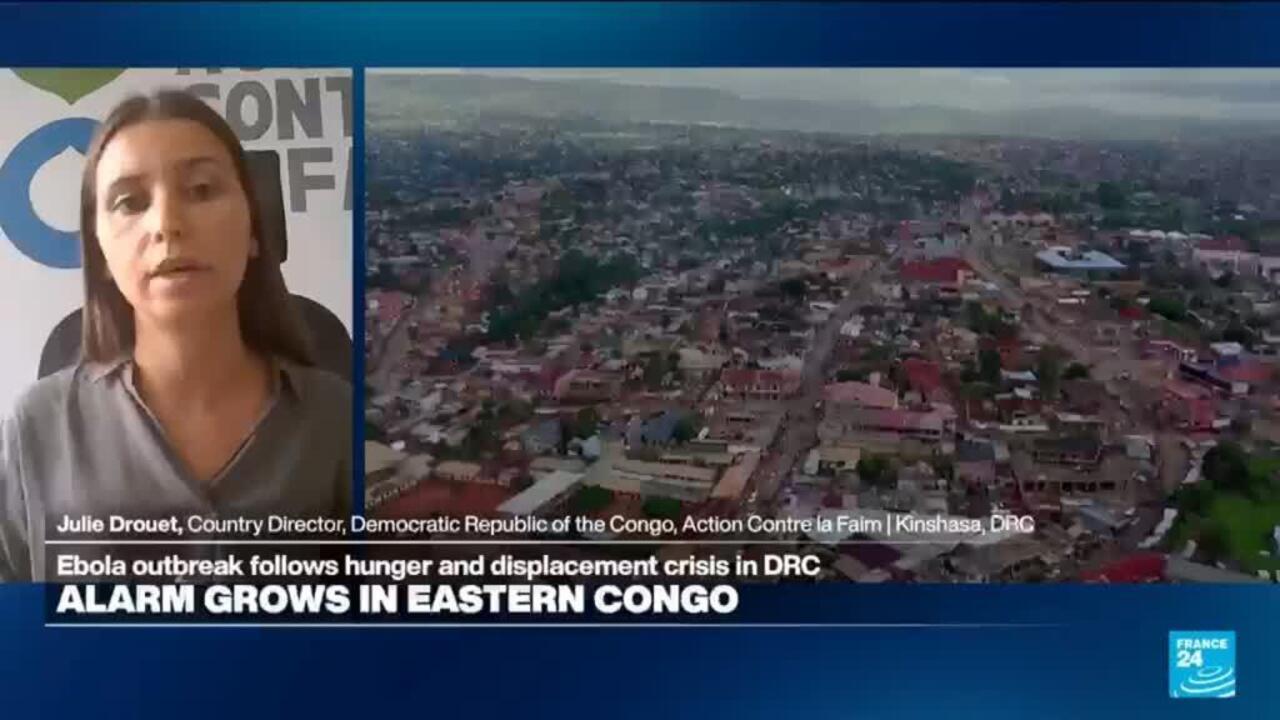
The humanitarian response to the Ebola outbreak in the Democratic Republic of Congo is operating under severe constraints, with officials describing the situation as a race against time in one of the world’s most fragile and conflict-affected regions. Julie Drouet, the Director for Action Against Hunger in the DRC, provided a sobering assessment of the early stages of the outbreak during an interview with Annette Young of France 24 International.
Drouet highlighted that the response is not only grappling with standard epidemiological challenges but is also hindered by deeper structural vulnerabilities. These systemic weaknesses, particularly in the war-torn eastern part of the country, are creating conditions that make outbreaks in the region uniquely perilous. The combination of ongoing conflict and inadequate infrastructure is significantly hampering containment efforts.
The crisis is unfolding in an area where the humanitarian system is already stretched thin. According to Drouet, the organisation is operating on the frontline of a rapidly evolving health emergency. The lack of robust infrastructure in eastern DRC is a critical factor, limiting the ability of aid agencies to deliver care and implement containment protocols effectively.
Public anxiety is rising across the country as reported cases increase. Concerns are spreading from the eastern city of Bukavu to the western capital, Kinshasa, reflecting growing apprehension among residents and street vendors regarding the trajectory of the outbreak. This widespread unease underscores the difficulty of managing a health crisis in a region where trust in institutions and access to services are already compromised by instability.
Action Against Hunger, an international humanitarian organisation active in the DRC, is among those working to mitigate the impact of the virus. However, the scale of the challenge remains significant. The interplay between the virus, the conflict, and the lack of basic infrastructure presents a complex governance and security issue that requires sustained international attention and resources.
The situation in eastern DRC continues to evolve, with the humanitarian community facing the dual task of containing the virus and addressing the underlying structural failures that exacerbate the crisis. As the outbreak spreads, the capacity of the health system to respond will depend on overcoming these entrenched vulnerabilities.