Human rights groups challenge Trump administration ICC sanctions in US court
Four leading organisations argue that sanctions targeting the International Criminal Court and its partners force the curtailment of legal and humanitarian work, following previous federal rulings against the measures.
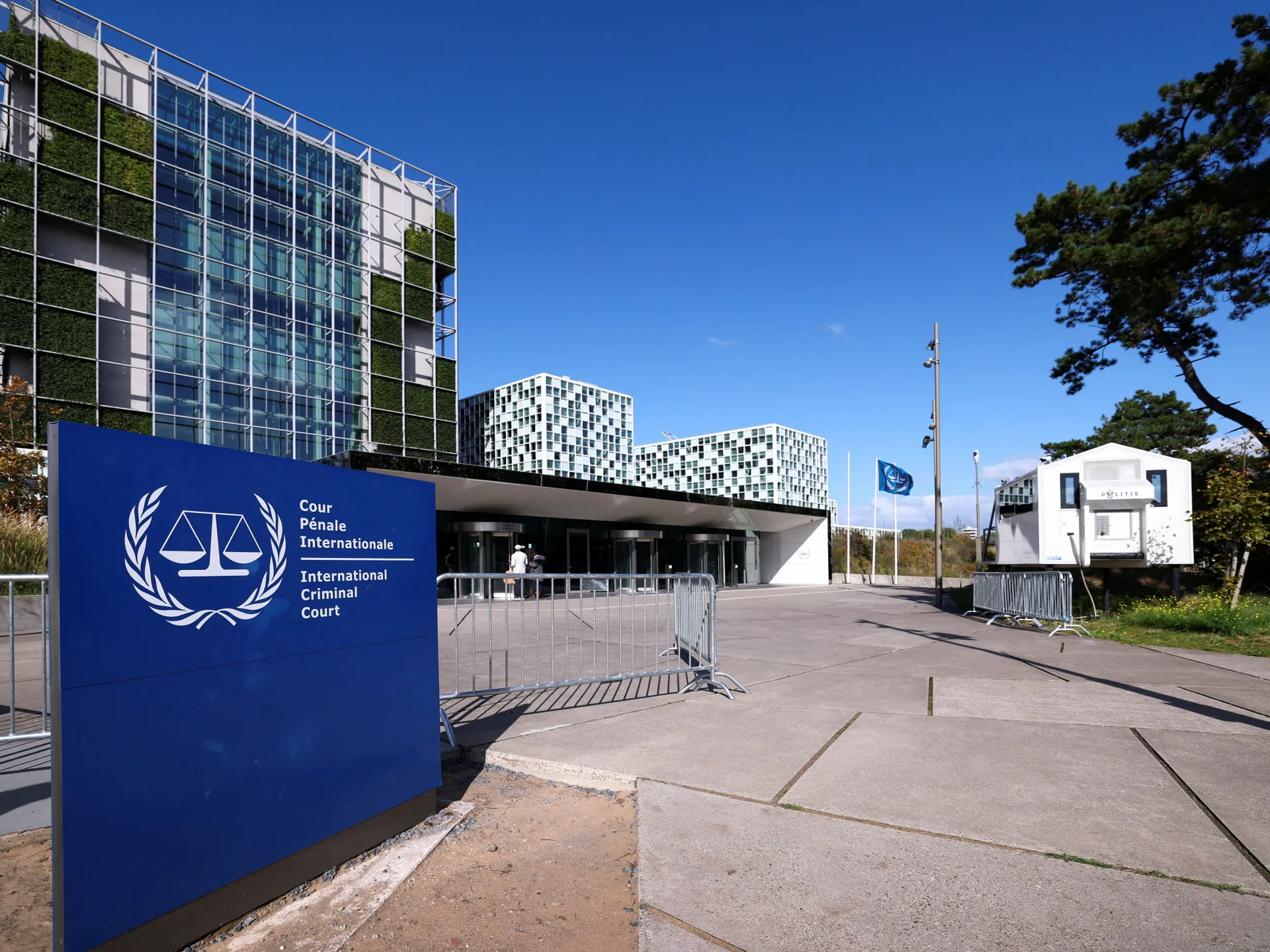
Four prominent human rights organisations have filed a lawsuit against the Trump administration, alleging that sanctions imposed on the International Criminal Court (ICC) and cooperating entities violate US citizens’ constitutional rights to free speech and due process. The plaintiffs, comprising the American Friends Service Committee, the Centre for Constitutional Rights, Human Rights Watch, and the Open Society Institute, argue that the executive order forces them to curtail essential legal and humanitarian activities.
The lawsuit contends that the administration exceeded presidential authority by citing a “pseudo national emergency” with no factual basis. The groups state that the sanctions prevent them from representing war crime victims, making policy submissions to the ICC, and collaborating with sanctioned Palestinian human rights groups. They further argue that the dominance of US financial and technological companies creates a chilling effect on non-US organisations as well.
The legal challenge follows previous rulings by federal judges in Maine and New York, who found similar executive orders unconstitutional. Those earlier decisions determined that the sanctions violated the constitutional rights of individual advocates and academics who provide expertise to the court. The new filing adds to a growing body of litigation against the measures, which include travel bans and restrictions on assets in the US.
US Secretary of State Marco Rubio has intensified the pressure campaign against the ICC, accusing the court of “waging a war” against the US through international law. Rubio recently pledged to increase scrutiny of countries receiving US assistance and to raise penalties for officials associated with the tribunal. At least one member state, Chad, cited pressure from Washington in announcing its withdrawal from the court earlier this year.
The executive order in question was issued in February 2025, targeting ICC prosecutors, judges, and individuals supporting investigations into Israeli actions in Gaza and US conduct in Afghanistan. The order specifically cited the court’s issuance of arrest warrants for Israeli Prime Minister Benjamin Netanyahu and an ongoing investigation into possible abuses by US military and intelligence personnel in Afghanistan.
International law experts have noted that no US citizen has ever been prosecuted by the ICC, and aside from the long-stalled Afghanistan investigation, no US citizens are currently subjects of ICC investigations. The US is not a signatory to the Rome Statute, the ICC’s founding charter, and is therefore not subject to the court’s jurisdiction, although abuses on member state territory can be probed.
Joyce Ajlouny, general secretary of the American Friends Service Committee, stated that the executive order seeks to intimidate human rights defenders and deter people from advocating for the rights of others. James Goldston of the Open Society Justice Initiative described the sanctions as an assault on the rule of law and a betrayal of historic US leadership in international justice.