Human neural cells grow through much of a mouse brain in Stanford study
Researchers say genetically modified mice with human neural cells performed better in maze tests, while the work renews debate over the ethical limits of mixing tissues across species.
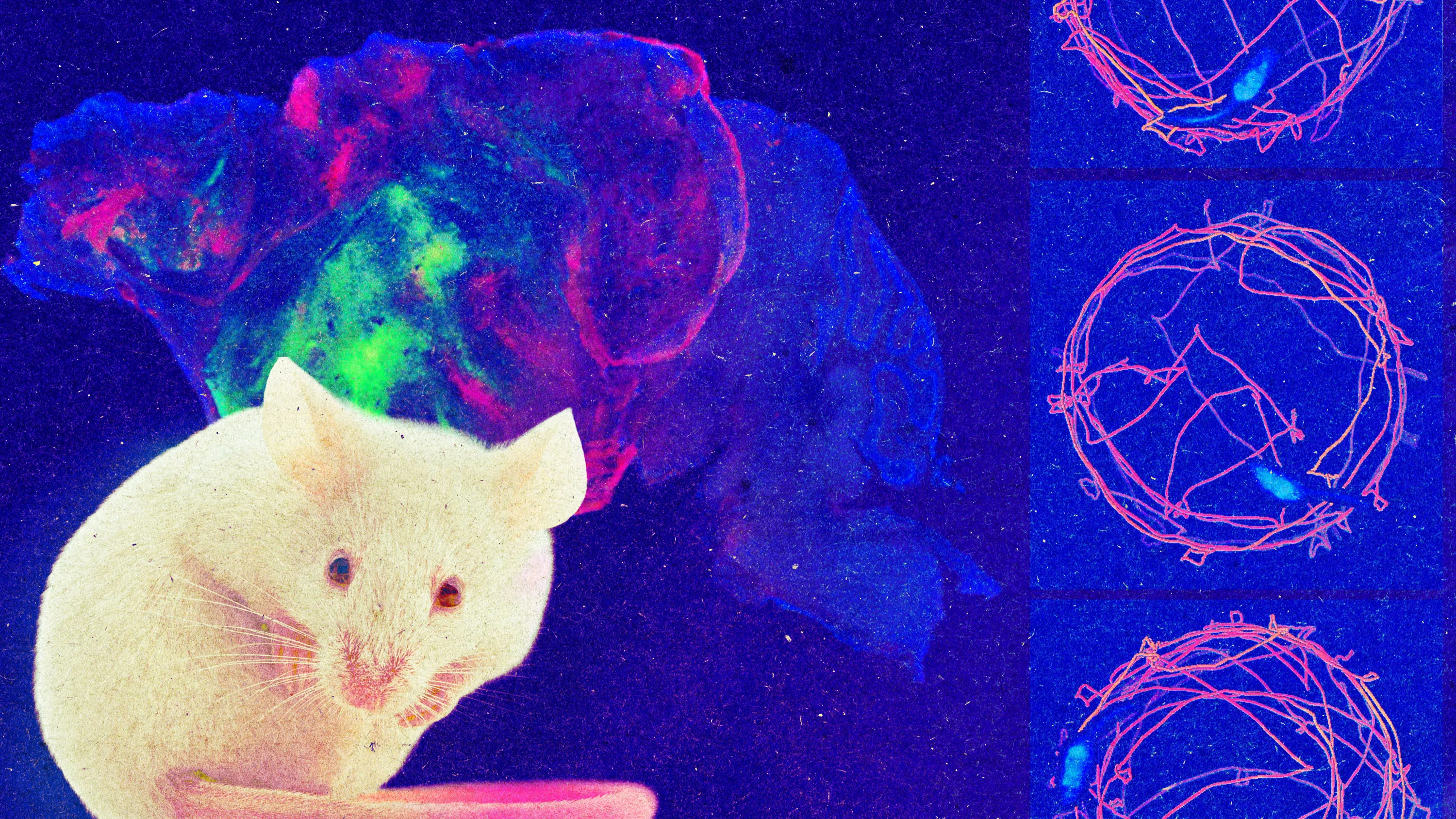
A Stanford University team has reported mice in which human neural cells grew through areas of the brain lacking most mouse cortical and hippocampal cells. The cells made up nearly half the animals’ brain volume, according to the report in Nature.
Led by neuroscientist Sergiu Pașca, the researchers genetically modified the mice so their cortex and hippocampus did not fully develop. This created space for human neural cells to divide, grow and connect with the mouse nervous system.
The modified mice without the corresponding brain tissue appeared broadly normal in their movements and vocalisations, but showed memory problems in maze tests. Mice that received human neural cells performed better, suggesting the tissue played a role in their cognition. The result does not establish human-like intelligence, consciousness or other human cognitive capacities.
Pașca’s group had previously shown that human brain organoids could survive and function after being implanted in young rodents. The researchers now suggest that these “xenocortical mice” could help scientists study brain injuries.
The work also highlights the ethical questions surrounding human neural tissue in animals. Pașca has said he is not currently concerned that the mice possess human cognitive capacities, citing their small brains and the evolutionary distance between mice and humans.
He has nevertheless warned against carrying out similar experiments in primates, where larger volumes of functioning human tissue could make the boundary between human and animal cognition more difficult to define. The supplied report does not include the study’s full methodology, sample sizes or statistical results.