HS2 costs projected to reach £102.7bn as government admits to massive budget overrun
The UK government has officially acknowledged that the HS2 high-speed rail project will now cost up to £102.7bn, with the first services between London and Birmingham delayed until 2039.
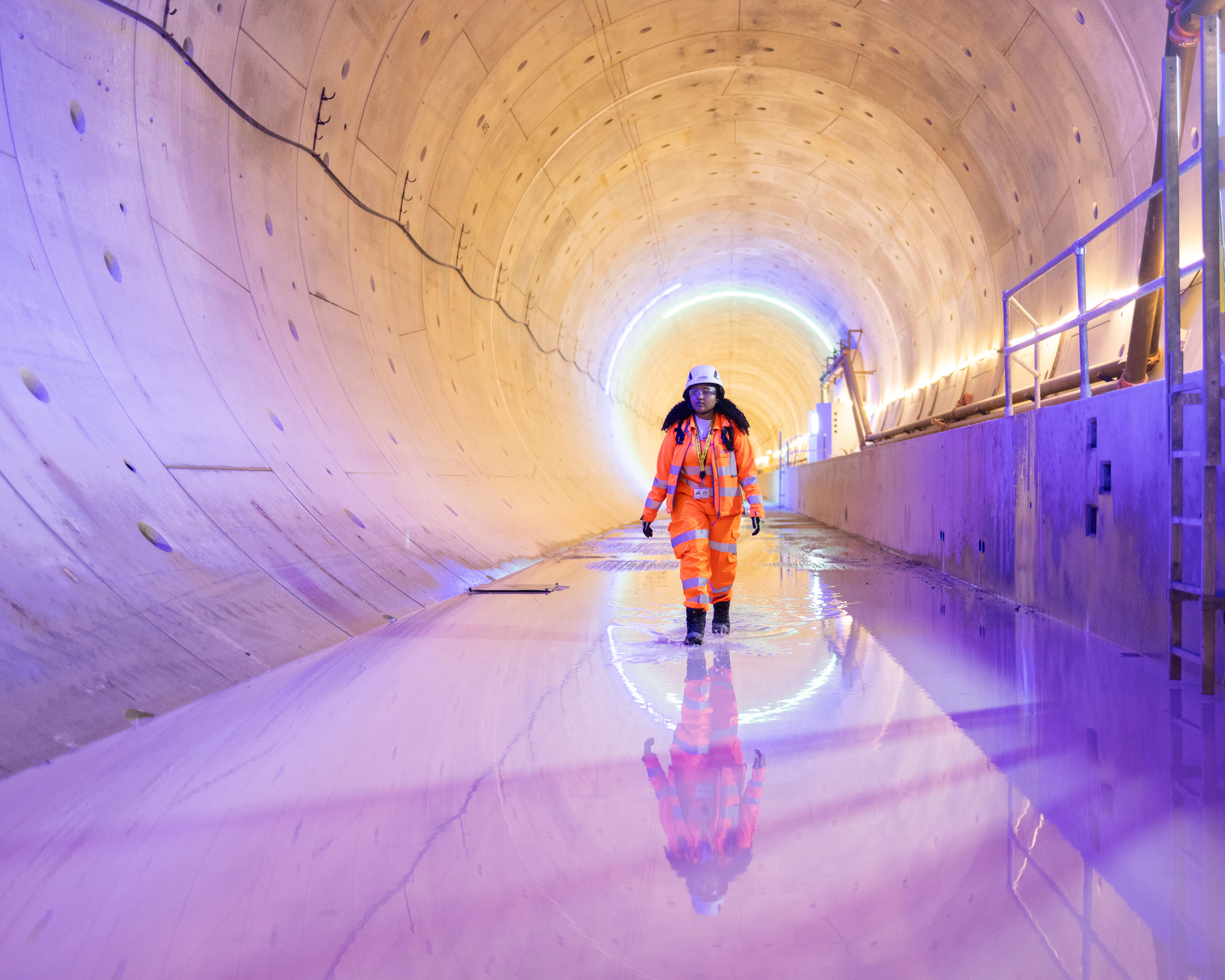
The UK government has admitted that the HS2 high-speed railway project could cost up to £102.7bn, with the first trains delayed until 2039. Transport Secretary Heidi Alexander stated that the cost increase, driven largely by inflation, represents a £70bn rise over the original budget. The project, originally approved in 2012 with a £32.7bn budget and a 2026 completion target, will now see the truncated line between London and Birmingham open between 2036 and 2039, with full completion not expected until 2043. Alexander blamed the previous Conservative administration for the delays and cost overruns, noting that little track had been laid despite significant spending. The government plans to reduce costs by lowering train speeds and reconsidering automatic train operation systems.
Alexander provided the first official estimate of the HS2 budget in 2026 prices, forecasting a total cost range of £87.7bn to £102.7bn. She attributed one-third of the cost rise to inflation and described the previous Conservative government’s management as a “litany of failure,” noting that most of the budget was spent without laying a single mile of track. The government considered cancelling the entire project but concluded that the cost of cancellation would be nearly as high as completing it.
HS2 Ltd chief executive Mark Wild and chair Mark Brown have been tasked with managing contracts with improved oversight, despite Alexander describing their task as “almost impossible.” Alexander characterised the original design as a “massively overspecced folly” and stated that the government will deliver the project to completion, albeit at lower speeds. The truncated railway will run from Old Oak Common in west London to Birmingham, eventually joining the West Coast main line in Staffordshire.
The original design specifications included automatic train operation systems, typically reserved for busy metropolitan rail lines with high-frequency services. The government plans to mitigate costs by reducing maximum train speeds from nearly 200 mph to approximately 225 mph (320–360 km/h) and reconsidering the use of automatic train operation systems. Alexander promised that the forecasts were now “built on solid foundations with credible estimates as ranges,” despite the significant increase in time and expenditure.
The project was originally approved by the coalition government in January 2012 with a budget of £32.7bn. The initial plan involved building a Y-shaped high-speed track extending as far as Manchester and Leeds, with an operational target date of 2026. The truncated line is now scheduled to open between 2036 and 2039, with full completion of the project not expected until 2043. Alexander blamed the previous Conservative administration for the delays and cost overruns, noting that little track had been laid despite significant spending.