HoverAir Versa camera navigates US drone ban via regulatory loophole
Zero Zero Robotics has launched a $750 flying camera on Indiegogo, claiming compliance with US rules by classifying the device as a steadycam with an accessory rather than a drone.
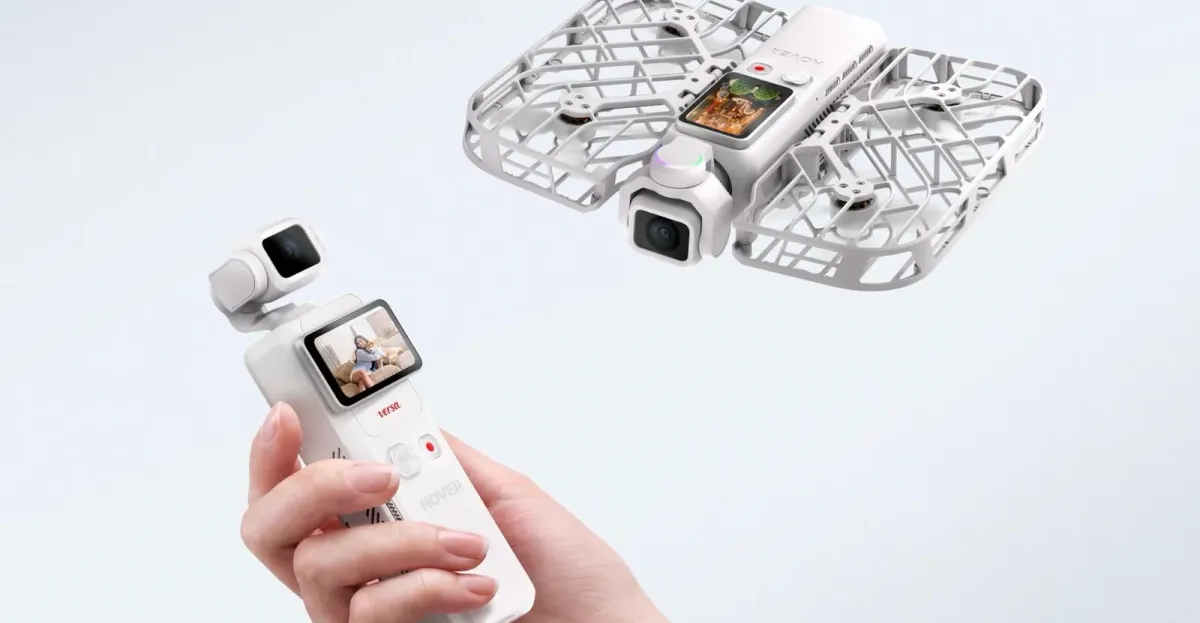
Zero Zero Robotics, the owner of the HoverAir brand, has launched the Versa on Indiegogo at a price of $750, positioning the device as a mini steadycam with optional snap-on propeller wings. The company asserts that this classification allows the product to bypass the US ban on foreign drones, which was implemented in December 2025. Global marketing director Anita Facundo stated that the flight kit is an accessory that extends the camera's capabilities, ensuring the company is in full compliance with applicable regulatory requirements for the full product configuration.
The device received certification from the US Federal Communications Commission (FCC) on 9 August. According to public records, the FCC approved the camera component of the device. The company has told customers that the product is cleared for sale in the United States. However, the regulatory status of the device remains subject to review, as the FCC retains the authority to reverse certification decisions within 30 days if further scrutiny is warranted.
The US government’s ban on future foreign drones requires companies to prove that their products are manufactured in the United States or do not pose a national security threat. The 2025 National Defense Authorization Act specifically named DJI and Autel Robotics, blocking automatic radio approval for their drones. HoverAir’s previous Aqua drone was one of the first casualties of this ban, leading the company to offer refunds to US customers who had pre-ordered the device.
HoverAir’s strategy relies on the fact that the FCC only certifies gadgets containing wireless radios. The propeller wings physically connect to the camera using copper contacts and likely do not contain radios, meaning they may not require separate FCC submission. By registering only the camera component, the company has navigated the initial certification process. However, the FCC’s ban also covers "UAS critical components," a category that explicitly includes cameras with radios.
Regulators may determine that the HoverAir Versa constitutes a "UAS critical component" under the 2025 National Defense Authorization Act. If the FCC makes this determination, it could reject the certification. The initial approval was outsourced to a private Telecommunications Certification Body, but the FCC is likely to take a second look at the device now that the loophole has been utilised. The long-term viability of the "camera with wings" classification under current US regulations remains untested.
As of reporting, only 12 Indiegogo backers have opted for the camera-only version without the flight kit. The company’s ability to maintain this classification will depend on whether regulators view the integrated system as a drone or a camera with an accessory. Investors and industry observers are watching to see if the FCC exercises its authority to reverse the decision within the 30-day window.