Houthis strike Jizan as US disables tanker in escalating Gulf tensions
Oil prices retreat from above $100 as diplomatic talks proceed in Tehran and London, while White House outlines dual exit strategies for the region
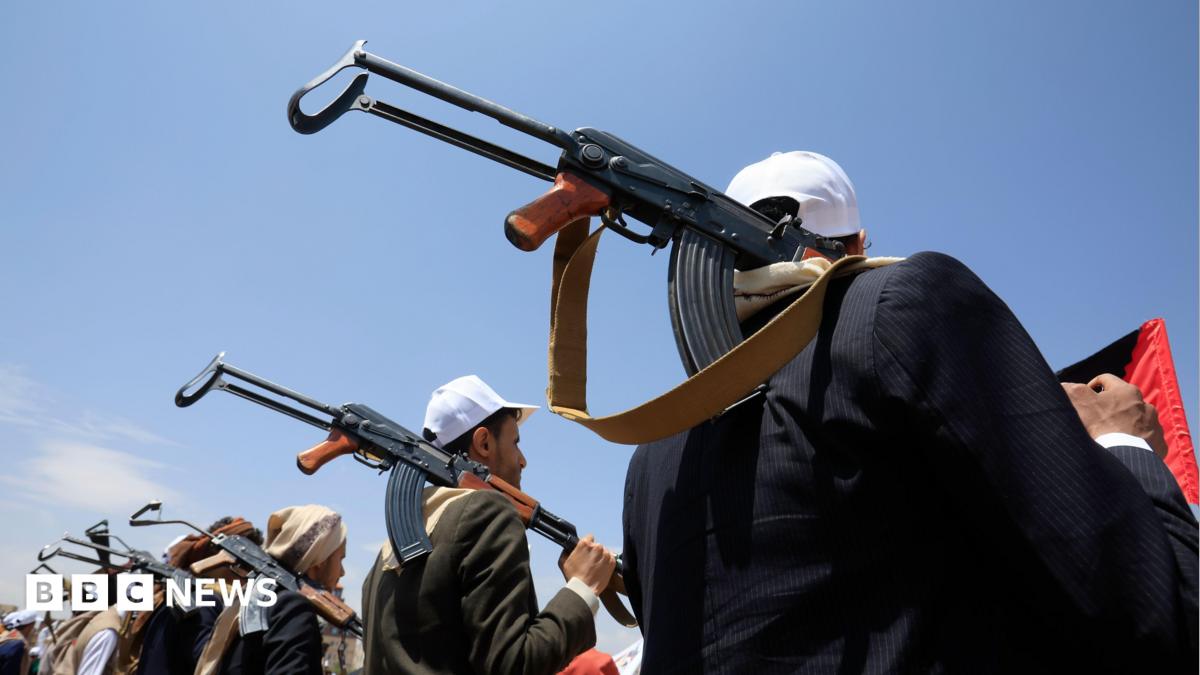
The Iranian-backed Houthi group has claimed responsibility for a missile strike on the Saudi city of Jizan, marking a direct escalation in the conflict following Riyadh’s recent air strikes on Houthi targets in Yemen. Early on Saturday, the group’s Ansarollah media channel reported that the attack caused fires in the Saudi province, prompting emergency alerts from local authorities. The Houthis described the preceding Saudi air strikes on the port city of Hodeida and a nearby island as a dangerous escalation, vowing that the actions would not go unanswered.
Concurrently, the US military confirmed it disabled a commercial tanker in the Gulf of Oman after the vessel repeatedly attempted to evade an American blockade on Iranian ports. Navy Captain Tim Hawkins, spokesman for US Central Command, stated that the crew failed to comply with repeated warnings, leading US forces to fire into the ship’s engine room. This incident marks the second commercial vessel disabled by the US since the blockade was reimposed earlier this month, underscoring the strict enforcement of maritime restrictions in the region.
The volatility in the region has had immediate repercussions on global energy markets. Concerns over shipping threats in the Red Sea and the Strait of Hormuz pushed crude oil prices above $100 a barrel this week. However, prices settled near $96 a barrel on Friday afternoon, a decline attributed to the successful passage of two Chinese-chartered supertankers through the Bab el-Mandeb Strait, which alleviated some immediate supply chain anxieties.
Amidst the military exchanges, diplomatic efforts continue to gain traction. An Omani delegation arrived in Tehran for talks regarding the Strait of Hormuz, with Iran’s state-run IRNA news agency confirming the visit. Oman, which controls the strait’s southern coastline, is set to host a conference in London next week alongside US Defence Secretary Pete Hegseth and Chairman of the Joint Chiefs of Staff Dan Caine to discuss the strategic waterway.
President Trump addressed the situation from the White House, outlining potential exit strategies while maintaining a stance of readiness. He described negotiations with Iran as ongoing and characterised the Iranian side as serious, though he warned that a military exit strategy involving continued strikes remained an option. The diplomatic landscape remains complex, with Israeli Prime Minister Benjamin Netanyahu scheduled to meet the President at the White House on Tuesday, following the collapse of a previously agreed 14-point Memorandum of Understanding intended to halt military operations.