Hospitality sector records ‘Burnham bounce’ in confidence after rates reform
A joint survey indicates a sharp rise in industry optimism following Prime Minister Andy Burnham’s business rates announcement, though leaders warn that persistent tax burdens remain the primary barrier to growth.
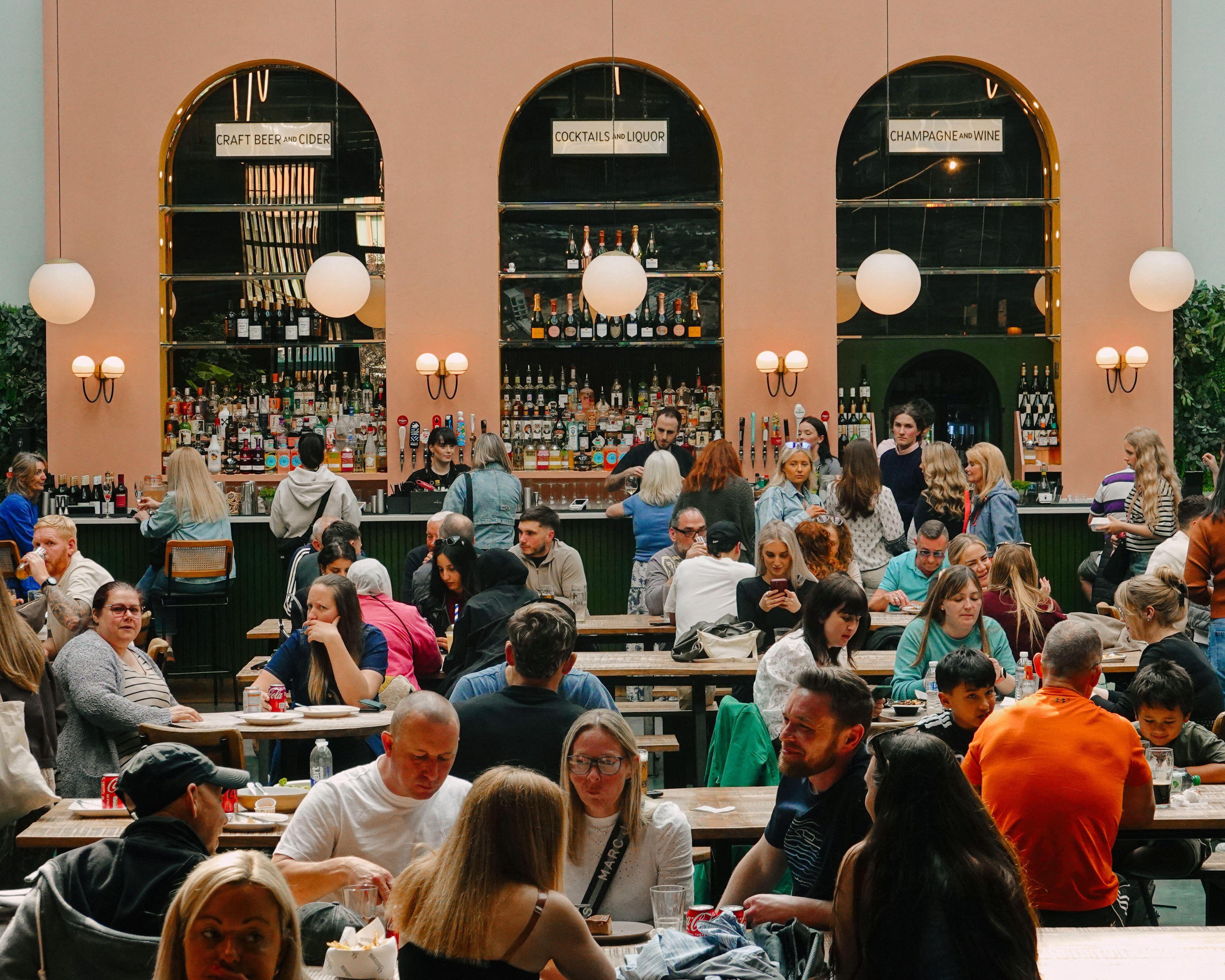
The UK hospitality and brewing sectors have experienced a marked increase in confidence, a shift attributed by industry groups to recent government intervention. A joint survey conducted by the British Beer & Pubs Association, UK Hospitality, the British Institute of Innkeeping, and Hospitality Ulster found that 37 per cent of businesses now believe the government will benefit the industry. This figure represents a significant rise from the 18 per cent recorded prior to the announcement of business rates discounts for pubs, clubs, and live music venues.
Prime Minister Andy Burnham has positioned himself as a supporter of the hospitality industry since his arrival at No 10. The initial policy move, a discount on business rates, has been described by trade bodies as the catalyst for this “Burnham bounce.” The sectors in question are collectively valued at approximately £100 billion to the UK economy, making the shift in sentiment a notable development in the broader economic landscape.
Despite the improved outlook, industry leaders caution that the current measures may not be sufficient to offset rising operational costs. Some venue owners have warned that the steps taken so far have done little to alleviate financial pressure. The government has signalled that further reform of business rates is on the horizon, but the specific details of these additional measures remain uncertain, leaving some operators wary of the long-term impact.
The survey identified the tax burden, particularly Value Added Tax (VAT), as the most significant obstacle to business growth. Three-quarters of respondents cited tax as the primary barrier, while 37 per cent pointed to political instability as the second most pressing issue. The industry argues that its tax burden is among the highest in the economy, compounded by new regulatory costs that threaten high streets, jobs, and communities.
In response, trade bodies are calling for a comprehensive package of relief. Their demands include a lower rate of VAT, wider permanent business rates reform, and changes to employer national insurance contributions. These measures are intended to create conditions that allow the entire sector to grow and support job creation, aligning with the government’s stated ambitions for economic recovery.
Public support for tax relief is evident, with more than 330,000 people signing a petition urging the government to cut VAT on hospitality from 20 per cent to 10 per cent. This sector-specific reduction would align the UK’s sales tax on hospitality with rates in many European countries. However, critics argue that such a cut would be an inefficient way to spur growth, potentially costing more than £10 billion, with a disproportionate benefit accruing to large, profitable multinational chains.