Hormuz transit remains constrained despite US-Iran deal and sanctions relief
While the US Treasury has issued a temporary licence for Iranian oil sales and maritime data shows a resumption of traffic, daily crossings remain well below historical averages due to conflicting Iranian directives and mine threats.
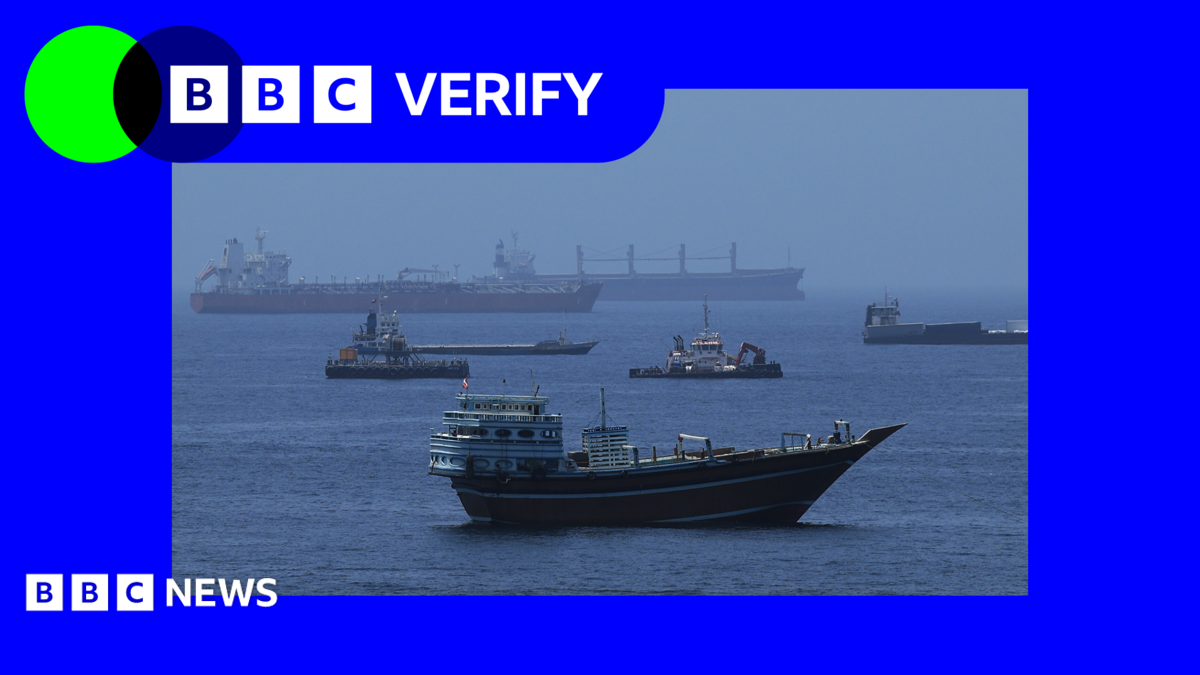
At least 172 vessels have transited the Strait of Hormuz since 18 June, following a US-Iran agreement aimed at ending hostilities, according to data from maritime intelligence firm Kpler. This figure includes 42 ships crossing on Saturday alone, yet the daily volume remains significantly below the pre-conflict average of 138 crossings. Ship-tracking analysis by BBC Verify indicates that more than 200 tankers and 440 cargo ships remain anchored or stationary within the Gulf, with over 80 per cent of the tankers showing no movement.
The resumption of traffic has been partially driven by the US Treasury issuing a licence to permit the sale of Iranian crude oil, petrochemicals, and other oil products until 21 August. Jemima Shelley, a senior research analyst at the United Against Nuclear Iran campaign, confirmed that at least 30 tankers have departed the Gulf laden with Iranian goods since the deal was agreed. On Monday, at least five previously sanctioned tankers moved through the strait, carrying up to four million barrels of oil, while other vessels have resumed normal trade routes, including liquefied natural gas tankers heading to Qatar.
Despite the agreement committing Iran to 60 days of safe passage for commercial vessels, traffic flow is hindered by regulatory and safety complexities. The Persian Gulf Strait Authority (PGSA), which has been sanctioned by the US, published terms on Friday requiring a valid passage permit for all transit. Martin Kelly of crisis management firm EOS Risk Group noted that US sanctions on the PGSA may be deterring ship owners from requesting these permits. Furthermore, conflicting statements from Iranian officials have created uncertainty; the Islamic Revolutionary Guard Corps claimed the strait was closed on Saturday, while Tehran’s UN ambassador stated it was open, and a military source suggested daily transits would be capped.
Safety concerns regarding sea mines in the central shipping lanes have further constrained traffic. The Joint Maritime Information Centre (JMIC), a multinational group including the US, has warned ships to avoid the central route due to the existence of mines, having issued coordinates for two detected mines with active clearance operations underway. The JMIC recommends a narrower southern route closer to the coast of Oman, which it has confirmed is clear. Ship-tracking data shows that while most recent transits have used the Iranian-approved northern route, at least four tankers utilised the southern corridor on Tuesday.
The price of Brent crude, the global oil benchmark, has dropped to its lowest level since the war began, reflecting market adjustments to the developing situation. However, the persistence of stationary tankers and the reliance on specific routes suggest that the full normalization of maritime commerce has not yet been achieved. The interplay between the temporary US sanctions licence, Iranian administrative controls, and physical safety risks continues to dictate the pace of recovery in one of the world’s most critical energy chokepoints.