Hormuz oil flows near 80 per cent of pre-war levels as talks continue
Kpler estimates a substantial recovery in crude exports, but shipping risks and unresolved disagreements leave any return to normal traffic uncertain.
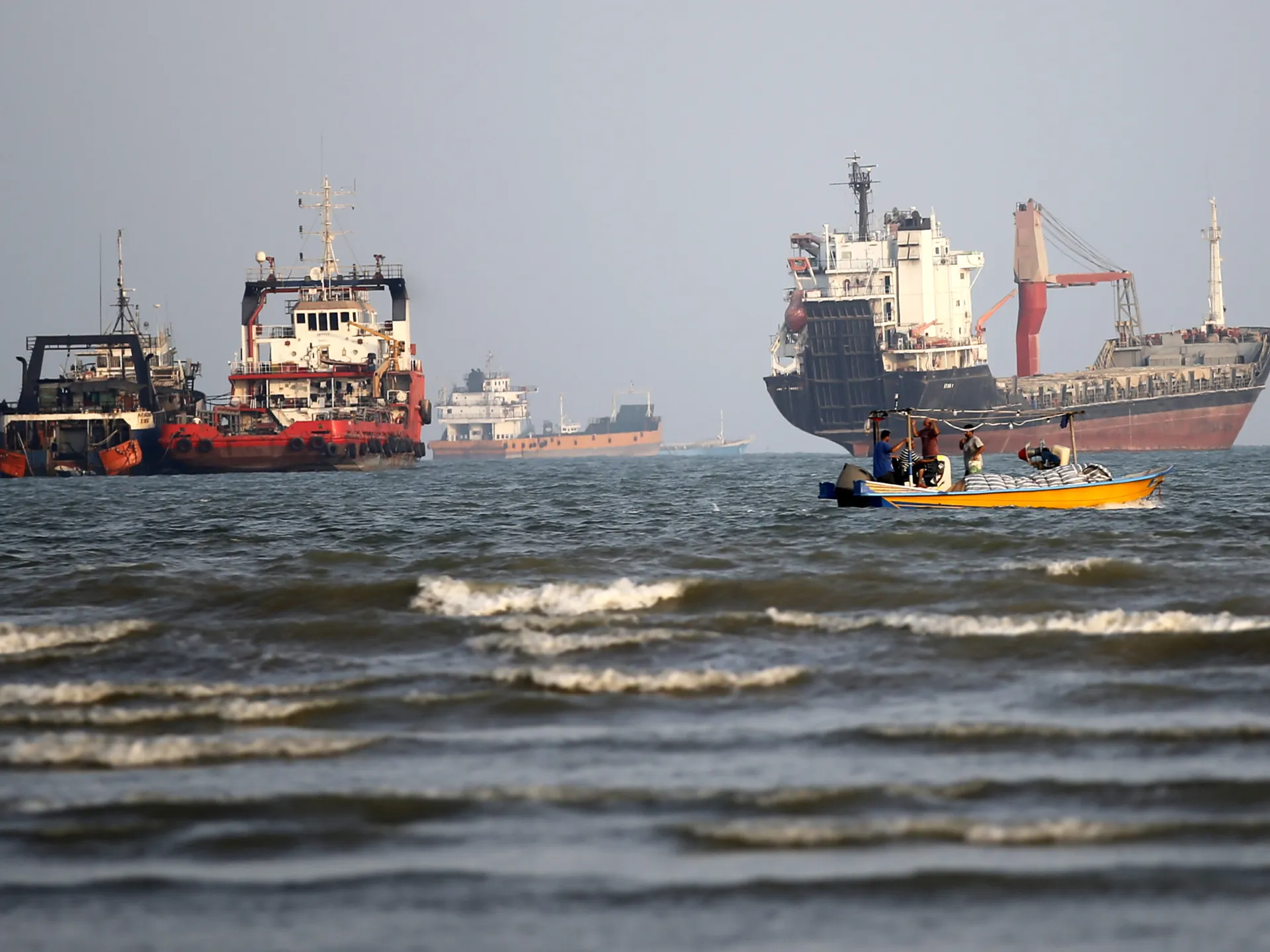
Oil flows through the Strait of Hormuz have recovered to just under 80 per cent of pre-war levels, according to commodity analytics firm Kpler. The estimate points to a significant rebound, but does not establish that maritime traffic is secure or back to normal as Iran and the United States pursue talks through mediators.
Kpler estimated Middle East crude exports at 16.328 million barrels a day in September, including about 9.719 million barrels a day through Hormuz. Saudi exports accounted for much of the increase, rising from 2.446 million barrels a day in August to about 5.4 million in September. The export estimate remained about 3.2 million barrels a day below February’s level, and may not capture ships with tracking systems switched off.
Before the war, about 120 to 140 vessels crossed the strait daily. Traffic reportedly fell to as few as two tankers a day at the height of the fighting. Elevated tanker insurance costs and continuing geopolitical risks remain barriers to a full recovery, while refined fuel flows are still constrained.
The partial rebound could reduce Tehran’s bargaining leverage, but the available figures do not show that its negotiating position has changed. Iran rejects the view that Hormuz has returned to normal. Its proposed seven-day roadmap offered to reopen the strait and restore normal traffic if Washington ended its naval blockade, eased sanctions and released frozen funds; President Donald Trump rejected the proposal.
Reuters reported that Iranian Foreign Minister Abbas Araghchi received US feedback on the proposal through Qatari mediators. An official briefed on the talks said the main remaining disagreement concerned the sequencing of measures. Meanwhile, Brent crude fell 2.6 per cent to $102.59 a barrel on Tuesday, but was still on course for a roughly 13 per cent rise in September.