Honda engines complete perfect street circuit sweep in 2026 IndyCar season
Kyle Kirkwood’s victory at the Freedom 250 Grand Prix completes a flawless record for Honda, which has won all six street races this year and secured a dominant lead in the manufacturer’s title race.
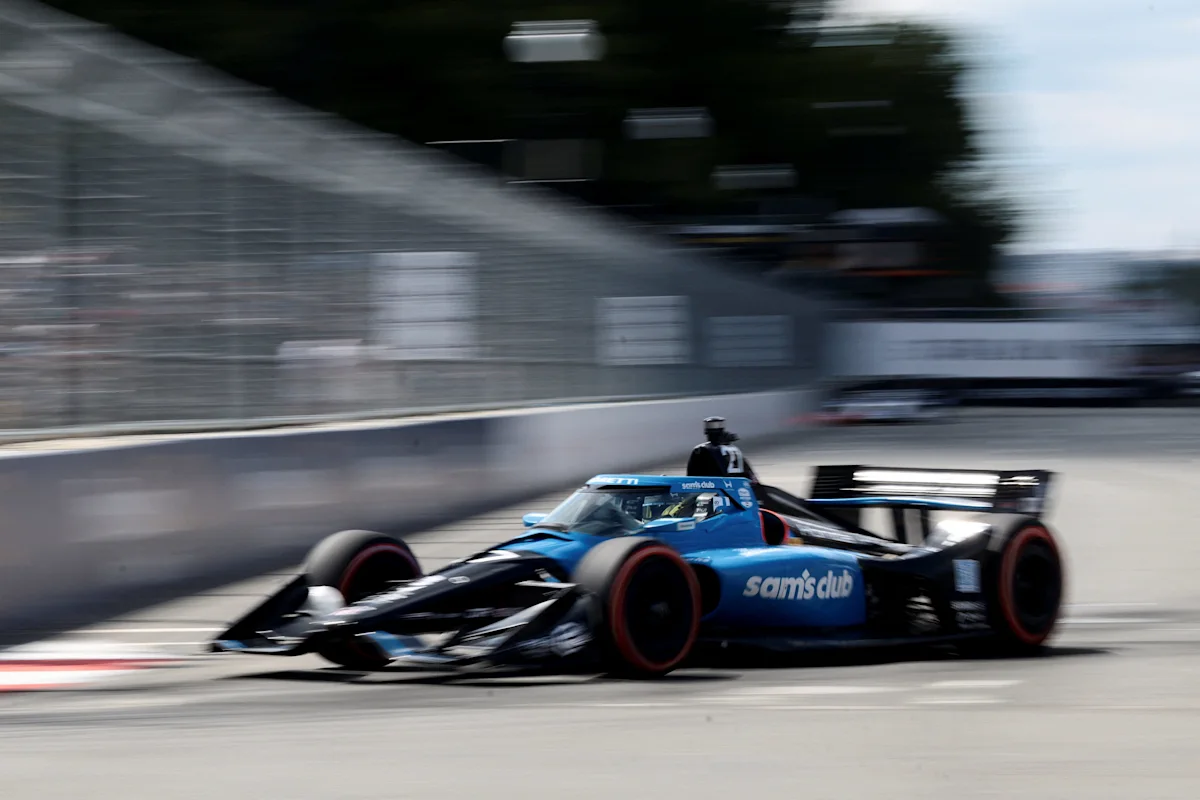
Honda engines have claimed victory in all six IndyCar street races this season, a performance that places the manufacturer in a strong position for the title against Chevrolet with three events remaining on the 2026 schedule. The final street event, the Freedom 250 Grand Prix, was won by Kyle Kirkwood of Andretti Global, capping a perfect record for the Japanese marque on urban circuits.
The dominance was evident throughout the season, with Honda engines leading 542 of the 597 laps, or 90.7 per cent, on street courses. The manufacturer also secured 15 of the 18 available podium spots. In contrast, Chevrolet, the other engine supplier in the series, failed to win any street races during the year.
This achievement extends a broader trend, as Honda has won 19 of the last 21 street races dating back to 2023. The manufacturer’s success this season is part of a wider campaign in which it has taken 10 of the 15 races held so far, including Felix Rosenqvist’s victory in the Indianapolis 500 for Meyer Shank Racing.
Andretti Global played a pivotal role in Honda’s street circuit dominance, capturing all three new street circuits introduced to the 2026 schedule. Kirkwood won the Grand Prix of Arlington and the Freedom 250 Grand Prix, while Marcus Ericsson secured victory at the Ontario Honda Dealers Indy at Markham. Notably, a Honda engine took pole position in each of these new venue races, although the pole-sitter did not win any of the events.
Honda Racing Corporation USA vice-president Kelvin Fu attributed the success to a combination of team development, driver skill, and extensive engineering work. Fu noted that adapting to new tracks and shortened race weekends required significant flexibility from the engineering teams.
The final two street race weekends in Markham, Ontario, and Washington, D.C., were condensed to two days of on-track action, differing from the typical three-day format. While the Freedom 250 Grand Prix was always scheduled for two days, a postponement of Friday activities in Markham created an unexpected challenge for teams and manufacturers. Fu stated that the engineers had to be flexible to make necessary alterations, a process he described as "a lot of hard work" involving both factory and trackside groups.