Historian challenges ‘monocultural’ vision with evidence of colonial diversity
A Guardian opinion piece published on 24 June 2026 refutes calls for a monocultural society, pointing to the diverse origins of the colony’s founders and the economic benefits of pluralism in early seaports.
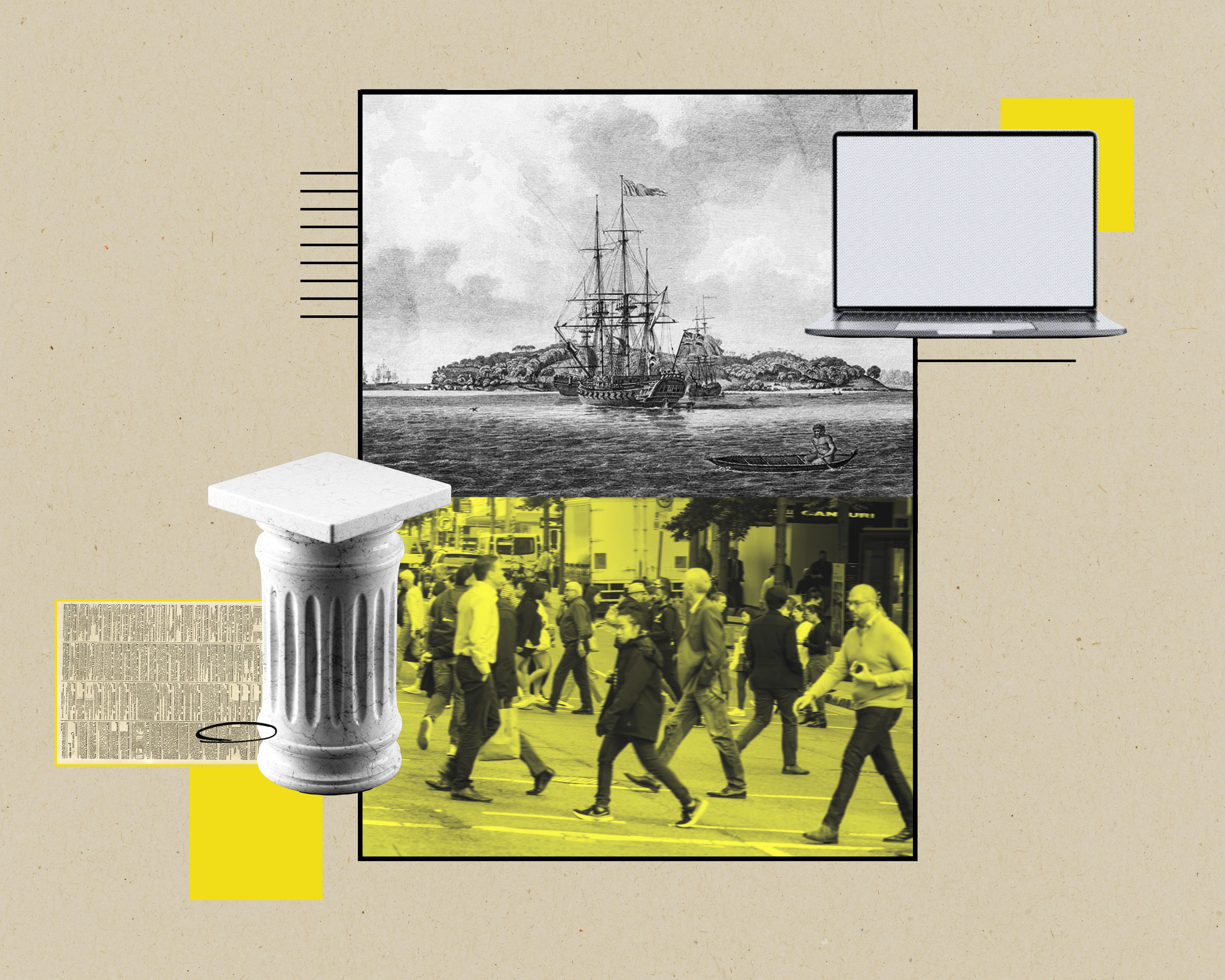
Historian Alan Atkinson has published an opinion piece in The Guardian, challenging the assertion that Australia must become a “monocultural society”. In the article, published on 24 June 2026, Atkinson argues that multiculturalism has been an inherent feature of the nation since its colonial inception, describing the idea of a monocultural Australia as an “unrealised dream”.
Atkinson cites the composition of the First Fleet in 1788 as primary evidence of early diversity. The fleet included convicts and sailors from various backgrounds, including 11 Africans and approximately 40 individuals from continental European nations such as France, Germany, the Netherlands, Portugal, Norway, and Sweden. The group also comprised English, Irish, and Highland Scots, with many Irish and Highlanders speaking Gaelic.
The article notes that Governor Arthur Phillip was instructed by British authorities to seek Pacific Islander women to form families with the male convicts, a plan intended to establish a new population. Phillip rejected the proposal, not on ideological grounds, but because he believed the women would “pine away in misery”.
Atkinson highlights that colonial capitals began as seaports where merchant and naval crews were recruited globally. This environment fostered an understanding that diversity contributed to economic acuteness and prosperity. Early colonists recognised the value of varied skills and outlooks, with examples such as the Macarthurs at Elizabeth Farm employing Chinese carpenters and Greek vinedressers for their specific expertise.
However, the historian notes that enthusiasm for diversity waned in the late 1800s due to objections from white working-class groups regarding Chinese labour and competition. This shift culminated in the implementation of the White Australia policy in the 1900s, which restricted immigration based on race and suppressed earlier colonial pluralism.
The piece also references the 2023 Indigenous voice referendum, suggesting the result indicates a contemporary suspicion towards pluralism within Australia. Atkinson contrasts this with the pluralist arrangements of the British Empire from the 1760s, which accommodated different legal and language traditions in regions such as Quebec and southern Africa.
He defines multiculturalism as the presence of several cultures or ethnicities within a single nation-state, while describing pluralism as the accommodation of various language and legal traditions under one government. He points to countries such as the United Kingdom, Canada, Belgium, and Spain as examples of pluralist states.
The article concludes that despite historical periods of restriction and modern political debates, multiculturalism remains part of the Australian identity. Atkinson asserts that the nation has never been monocultural, except in the realm of political aspiration rather than historical fact.