Hill calls for measured discourse amid intense WNBA media scrutiny
In a recent newsletter, Hill highlighted the exhausting nature of current sports media narratives and clarified that her critiques of Clark are performance-based rather than racially motivated.
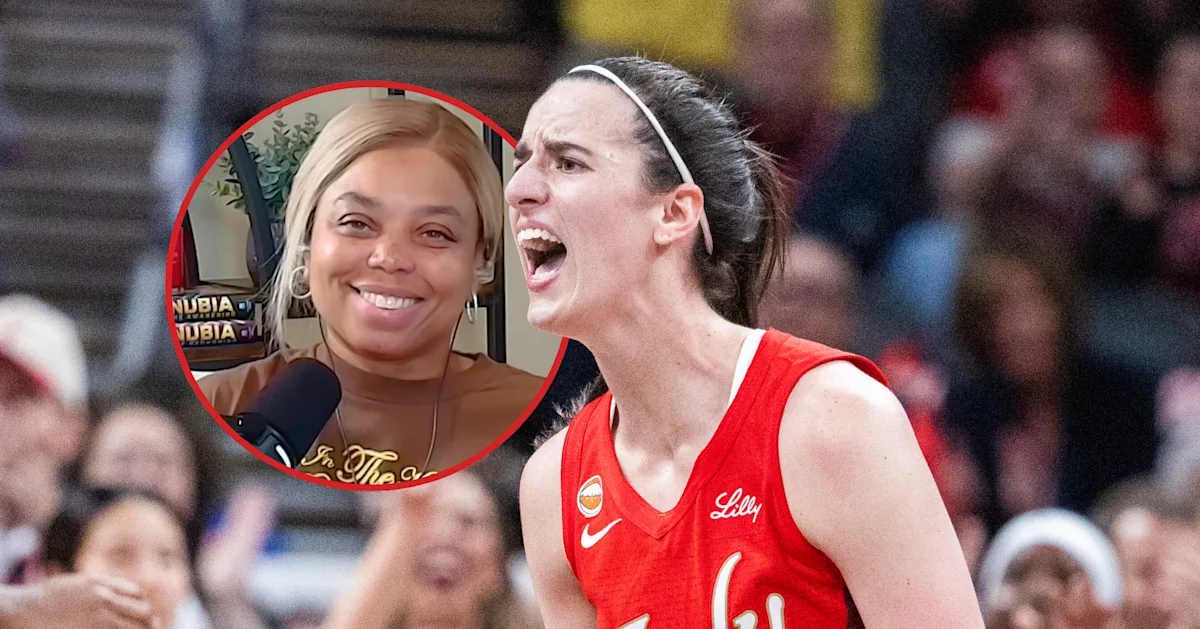
Sports commentator Jemele Hill has voiced frustration with the prevailing media narrative surrounding Indiana Fever player Caitlin Clark during the 2026 WNBA season. Writing in a recent newsletter, Hill described the current environment as exhausting for established figures in sports journalism, noting that every game is frequently framed as either a crisis or a path to a championship.
The first quarter of the season has been dominated by discourse regarding Clark, whose performance has been characterised by significant variance. The Fever superstar has experienced a late scratch due to a back injury, a noticeable decline in scoring efficiency, and moments of high impact such as game-winning three-pointers. Despite these fluctuations, Clark and the Fever currently hold a 6-5 record.
Hill stated that she dislikes discussing Clark due to the excessive vitriol directed at even reasonable critiques of her performance. She observed that public investment in Clark’s success or failure has reached alarming levels, creating a polarised atmosphere that complicates objective analysis of the player’s contributions.
Addressing claims that her commentary is influenced by racial bias, Hill explicitly refuted the notion that she holds disdain for white players. She countered narratives suggesting the WNBA does not accept white athletes, stating, “Ball is ball,” and dismissing the idea that Clark is breaking a barrier as the first white girl in league history as factually incorrect.
Hill advised that Clark must improve her emotional control and expand her contributions beyond scoring to sustain success in the professional league, noting that she cannot replicate her collegiate dominance at Iowa. She framed Clark’s current trajectory as a choice between maintaining a lower-impact role or elevating her game to become a decisive force, urging a focus on tangible performance metrics over external narratives.