High Court freezes Israeli media reforms amid press freedom concerns
Watchdog groups and opposition parties petition the High Court of Justice to halt provisions that critics argue threaten independent journalism and election integrity.
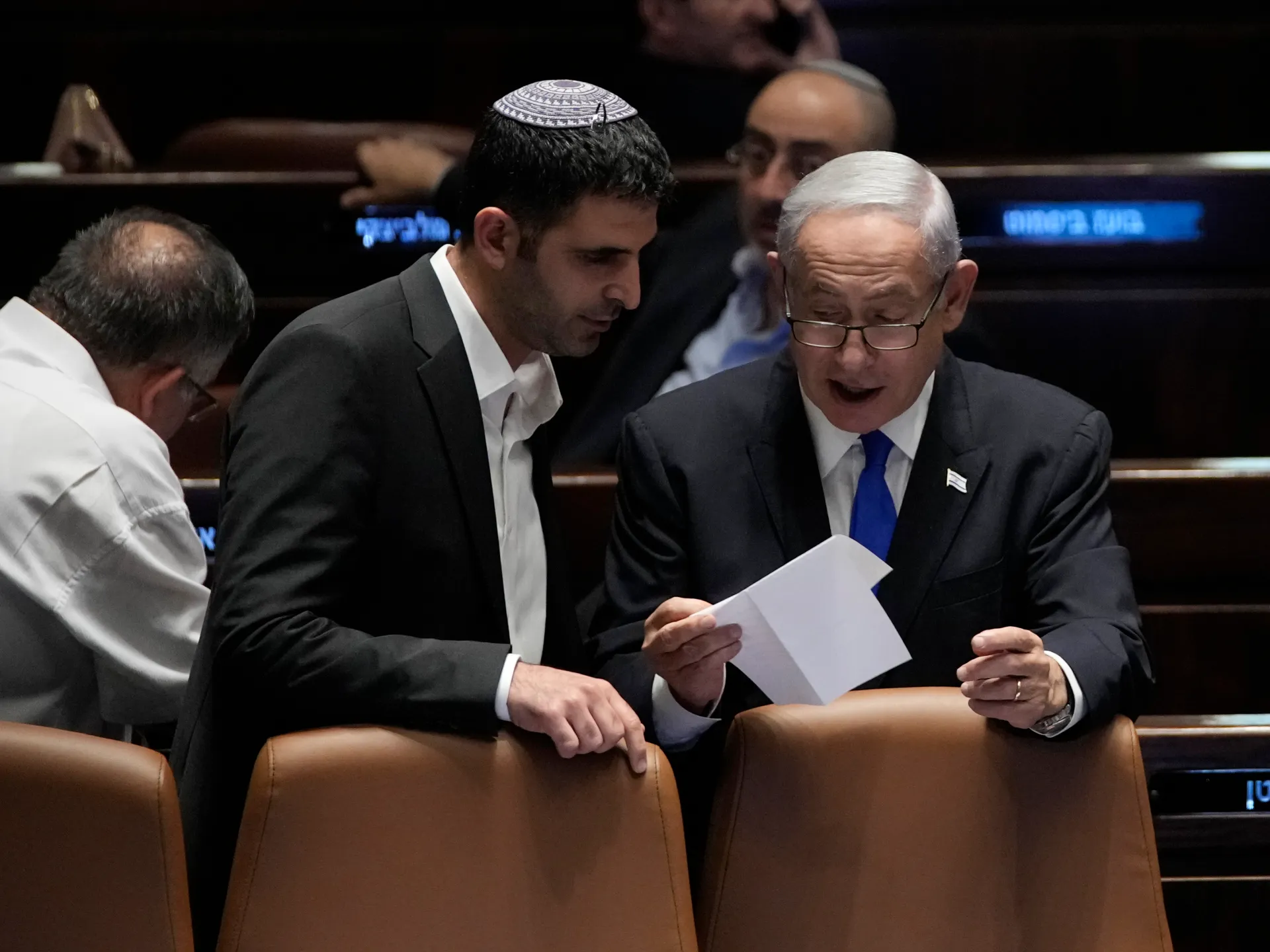
Israel’s High Court of Justice has frozen parts of sweeping media legislation passed by the right-wing coalition government, following petitions from watchdog groups and opposition parties. The court is currently considering whether to maintain the freeze or allow specific provisions to take effect before the general election scheduled for October 27. The government has until Sunday to respond to the petitions, after which the court will determine the final legal status of the bill.
The legislation, approved by the Knesset in a legislative blitz preceding the parliament’s dissolution, removes traditional oversight safeguards, eliminates requirements for minimum journalism standards, and lifts longstanding limits on cross-ownership of media outlets. Critics, including the Union of Journalists in Israel and Reporters Without Borders, warn that these changes could permanently distort the media landscape and influence the upcoming election outcome by boosting government-aligned narratives while undermining independent reporting.
Prime Minister Benjamin Netanyahu did not vote on the measure, remaining bound by a 2020 conflict-of-interest agreement that bars him from participating in government decisions affecting his ongoing corruption trial. The trial includes charges that he used his position to unduly influence media coverage. Despite his abstention, Communications Minister Shlomo Karhi publicly thanked Netanyahu, stating that the mission to deliver right-wing media reform had been successfully completed.
Karhi subsequently claimed to have secured a legal opinion determining that the Prime Minister’s involvement did not breach the conflict-of-interest agreement, despite reports suggesting his directive may have violated the terms. Neither the Prime Minister’s Office nor the Communications Ministry responded to queries regarding whether Netanyahu’s role represented a conflict of interest. Martin Roux of Reporters Without Borders described the Prime Minister and Communications Minister as enemies of independent journalism, accusing them of seeking to control the narrative ahead of the elections.
Analysts argue the reforms aim to undermine remaining critical reporting while boosting propaganda channels such as the far-right Channel 14. Observers note a longstanding nationalist undertone in Israeli current affairs coverage, with minimal reference to the humanitarian crisis in Gaza or Palestinian perspectives. Political analysts suggest the legislation is part of a broader strategy to sustain the Prime Minister’s political project by presenting a compliant media environment while maintaining the appearance of external opposition.